In the Midst of Oppression: The Triumph of Faith and Courage
"So they put slave masters over them to oppress them with forced labor, and they built for Pharaoh treasure cities, Pithom and Raamses. But the more they afflicted them, the more they multiplied and grew. And they were grieved because of the children of Israel. And the Egyptians made the children of Israel to serve with rigour: And they made their lives bitter with hard bondage, in morter, and in brick, and in all manner of service in the field: all their service, wherein they made them serve, was with rigour. And the king of Egypt spake to the Hebrew midwives, of which the name of the one was Shiphrah, and the name of the other Puah: And he said, When ye do the office of a midwife to the Hebrew women, and see them upon the stools; if it be a son, then ye shall kill him: but if it be a daughter, then she shall live. But the midwives feared God, and did not as the king of Egypt commanded them, but saved the men children alive. And the king of Egypt called for the midwives, and said unto them, Why have ye done this thing, and have saved the men children alive? And the midwives said unto Pharaoh, Because the Hebrew women are not as the Egyptian women; for they are lively, and are delivered ere the midwives come in unto them. Therefore God dealt well with the midwives: and the people multiplied, and waxed very mighty. And it came to pass, because the midwives feared God, that he made them houses. And Pharaoh charged all his people, saying, Every son that is born ye shall cast into the river, and every daughter ye shall save alive." - Exodus 1:11-22
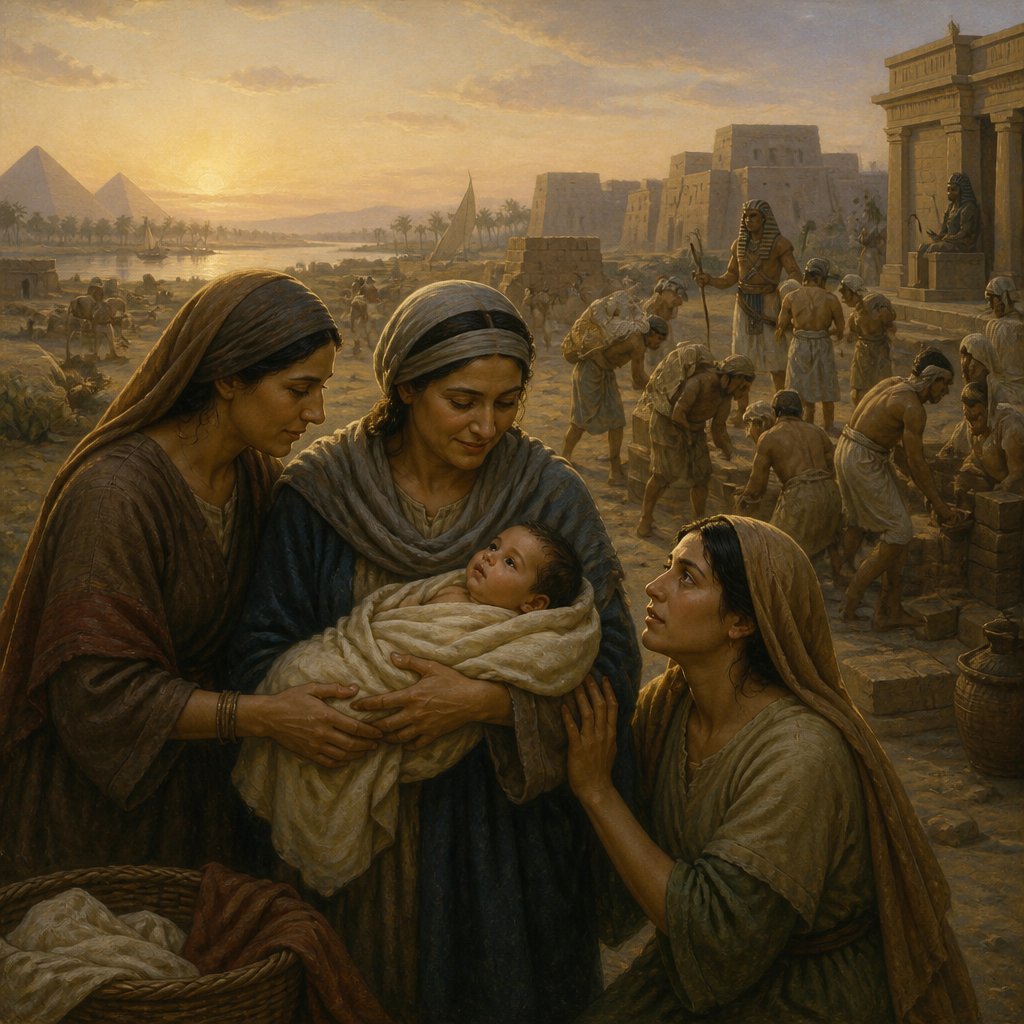
**In the Midst of Oppression: The Triumph of Faith and Courage**
The gripping tale in Exodus 1:11-22 unveils the harsh realities faced by the children of Israel as they become increasingly oppressed by the Egyptians. Pharaoh, fearing the rapidly growing population of the Hebrews, subjects them to rigorous slavery and enslavement, creating a narrative steeped in struggle yet rich in faith. This passage invites us to delve deep into the layers of oppression, defiance, and the hand of God at work in the lives of His people.
In verse 11, we see that the Egyptians appointed slave masters over the Israelites to afflict them with hard labor. The narrative starkly contrasts the oppressive conditions under which the Israelites worked to build treasure cities, Pithom and Raamses, only to have their misery intensified: "And the Egyptians made the children of Israel to serve with rigour: And they made their lives bitter with hard bondage" (Exodus 1:13-14, KJV). This depicts not just physical suffering, but a broader spiritual and emotional anguish—the bitterness of labor, the demoralization that comes from being treated as less than human.
Despite this oppression, a profound truth emerges: "But the more they afflicted them, the more they multiplied and grew. And they were grieved because of the children of Israel" (Exodus 1:12, KJV). The oppression intended to stifle and control only resulted in God’s blessing over His people, causing them to flourish. This captures a powerful spiritual principle: in times of desperation, when we appear to be cornered by our circumstances, God can still be at work behind the scenes, turning affliction into exponential growth. It reminds us that our situations do not define or constrain the plans God has for us.
Next, we encounter Shiphrah and Puah, the Hebrew midwives, whose fear of God signifies a turning point in this oppressive story. In a society where fear reigned, they chose to fear God rather than obey Pharaoh’s inhumane decree to kill the newborn boys. We read, "But the midwives feared God, and did not as the king of Egypt commanded them, but saved the men children alive" (Exodus 1:17, KJV). Their faith and courage in defying Pharaoh’s edict illuminated a cornerstone of biblical leadership. Their actions reveal that true strength lies not in the absence of fear, but in the courage to act righteously despite it.
Not only did Shiphrah and Puah save lives, but God also dealt well with them: "and because the midwives feared God, that he made them houses" (Exodus 1:21, KJV). Here we find a divine reward stemming from their faithfulness. When the world pressures us to conform to injustice, consequences of fear and authority figures, we have the option to stand firm in our convictions. God’s favor can transform our acts of courage into beacons of hope.
Finally, Pharaoh's desperate command to throw every newborn boy into the Nile reflects the lengths to which oppression will go to maintain control. This illustrates society's attempt to eradicate potential and silence voices of change. Nevertheless, the truth stands firm: God is personally invested in our preservation. The obstinacy of Pharaoh gave room for courage to flourish—an irony not lost on the reader.
In our lives today, as we grapple with challenges—be it relational strife, injustice, or the weight of societal pressures—this scripture calls us to remain steadfast in faith. Just as God rewarded the midwives, He is prepared to reward those who uphold righteousness amidst adversity. Let us be encouraged in knowing that hardships can serve as a backdrop for God’s deliverance, growth, and glory.
In summary, Exodus 1:11-22 steps beyond an old chapter of history and resonates in our contemporary battles. We are beckoned to embody the same fearlessness as Shiphrah and Puah, trusting in God’s unfolding plan of salvation and triumph against the odds. May we find courage in our convictions and faithfully wear the armor of God in a world that often chooses oppression over liberation.
Want to reflect more on Exodus 1:11-22?
Continue your spiritual journey with Bible Chat — an AI-powered tool for exploring God's Word through conversation. Ask questions, discover connections, and deepen your understanding.
Get Our Apps


Exodus 1:11-22 Artwork
"So they put slave masters over them to oppress them with forced labor, and they built Pithom and Rameses as store cities for Pharaoh. But the more they were oppressed, the more they multiplied and spread; so the Egyptians came to dread the Israelites and worked them ruthlessly. They made their lives bitter with harsh labor in brick and mortar and with all kinds of work in the fields; in all their harsh labor the Egyptians worked them ruthlessly. The king of Egypt said to the Hebrew midwives, whose names were Shiphrah and Puah, “When you are helping the Hebrew women during childbirth on the delivery stool, if you see that the baby is a boy, kill him; but if it is a girl, let her live.” The midwives, however, feared God and did not do what the king of Egypt had told them to do; they let the boys live. Then the king of Egypt summoned the midwives and asked them, “Why have you done this? Why have you let the boys live?” The midwives answered Pharaoh, “Hebrew women are not like Egyptian women; they are vigorous and give birth before the midwives arrive.” So God was kind to the midwives and the people increased and became even more numerous. And because the midwives feared God, he gave them families of their own. Then Pharaoh gave this order to all his people: “Every Hebrew boy that is born you must throw into the Nile, but let every girl live.”" - Exodus 1:11-22

Exodus 1:11-22 - "So they put slave masters over them to oppress them with forced labor, and they built Pithom and Rameses as store cities for Pharaoh. But the more they were oppressed, the more they multiplied and spread; so the Egyptians came to dread the Israelites and worked them ruthlessly. They made their lives bitter with harsh labor in brick and mortar and with all kinds of work in the fields; in all their harsh labor the Egyptians worked them ruthlessly. The king of Egypt said to the Hebrew midwives, whose names were Shiphrah and Puah, “When you are helping the Hebrew women during childbirth on the delivery stool, if you see that the baby is a boy, kill him; but if it is a girl, let her live.” The midwives, however, feared God and did not do what the king of Egypt had told them to do; they let the boys live. Then the king of Egypt summoned the midwives and asked them, “Why have you done this? Why have you let the boys live?” The midwives answered Pharaoh, “Hebrew women are not like Egyptian women; they are vigorous and give birth before the midwives arrive.” So God was kind to the midwives and the people increased and became even more numerous. And because the midwives feared God, he gave them families of their own. Then Pharaoh gave this order to all his people: “Every Hebrew boy that is born you must throw into the Nile, but let every girl live.”"

Exodus 22:28

Exodus 22:28

Exodus 22:28

Exodus 22:28

Exodus 22:28

Exodus 22:28

Exodus 22:5

Exodus 22:5

Exodus 22:28

Exodus 22:5

Exodus 22:28

Exodus 22:28

Exodus 22:28

Exodus 22:28

Exodus 25:10-22

Exodus 17:11

Exodus 1:11 - "Therefore they did set over them taskmasters to afflict them with their burdens. And they built for Pharaoh treasure cities, Pithom and Raamses."
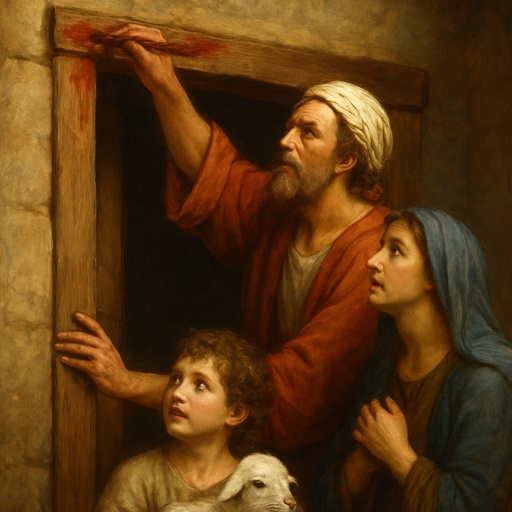
exodus 12:22 painting door lintel with blood

1 Samuel 22:11-13

Acts 1:1-11
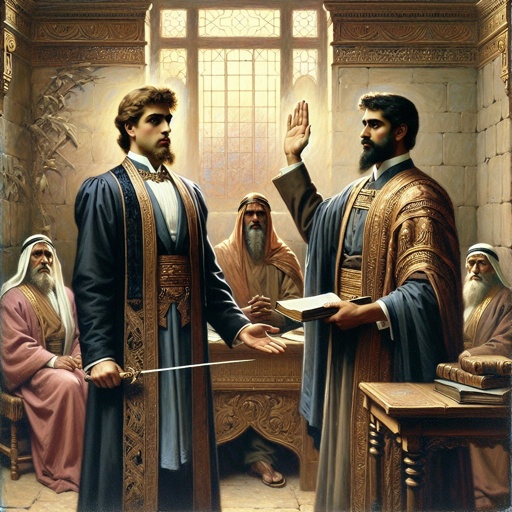
Exodus 22:11 - "Then shall an oath of the LORD be between them both, that he hath not put his hand unto his neighbour's goods; and the owner of it shall accept thereof, and he shall not make it good."

The Plague on the Firstborn - Exodus 11, 12:1-30

The Plague on the Firstborn - Exodus 11, 12:1-30

Acts 1:1-11
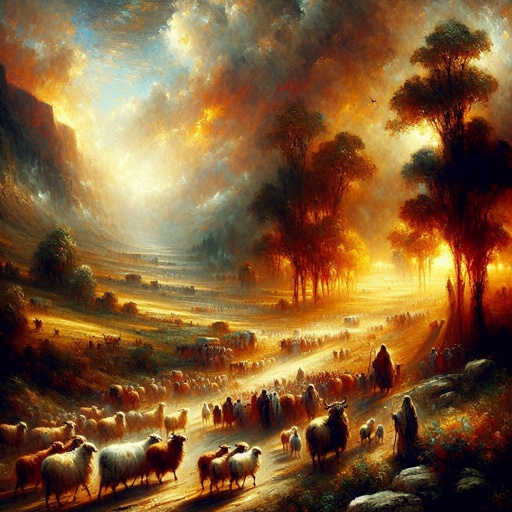
Exodus 22:1 - "If a man shall steal an ox, or a sheep, and kill it, or sell it; he shall restore five oxen for an ox, and four sheep for a sheep."

Exodus 22:22 - "¶ Ye shall not afflict any widow, or fatherless child."

Exodus 1:1 - "Now these are the names of the children of Israel, which came into Egypt; every man and his household came with Jacob."

Exodus 15:22