The Weight of Oppression: Finding Freedom in Affliction
"Therefore they did set over them taskmasters to afflict them with their burdens. And they built for Pharaoh treasure cities, Pithom and Raamses." - Exodus 1:11
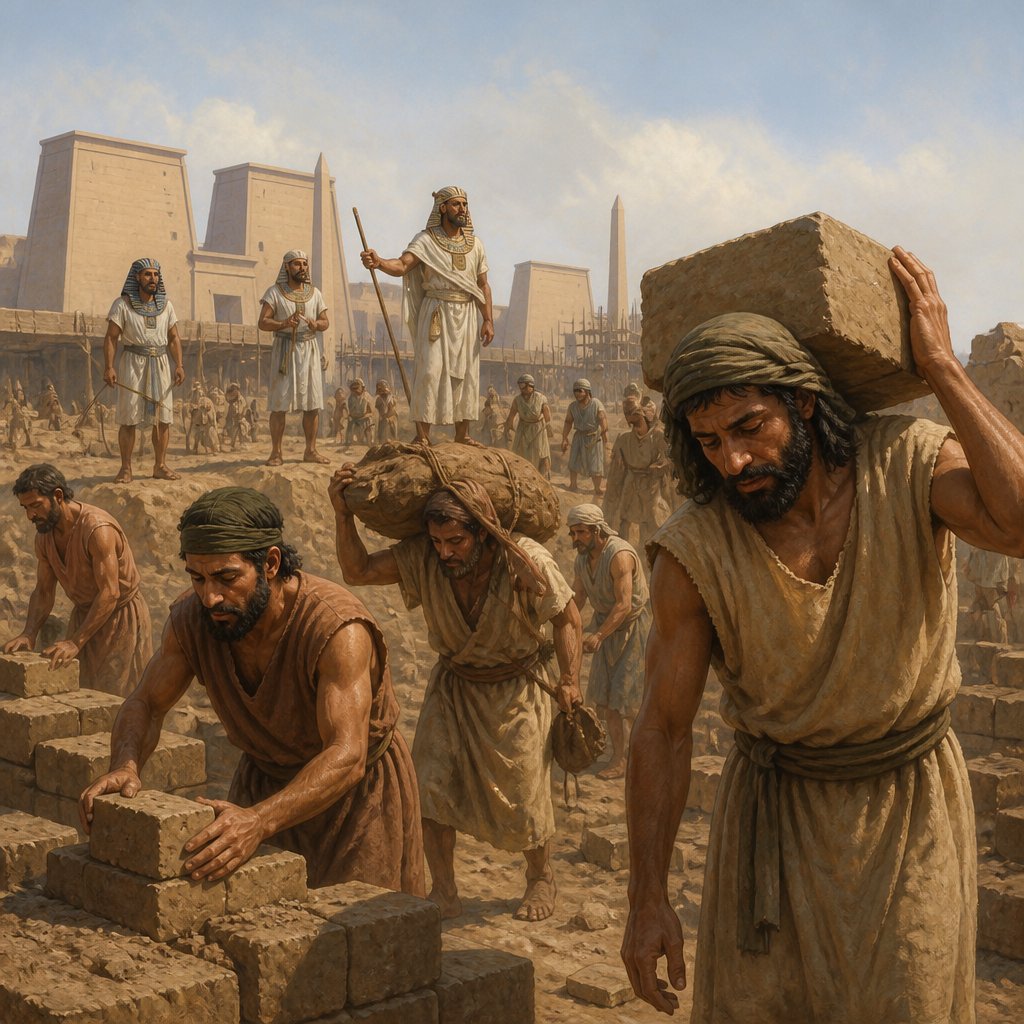
Exodus 1:11 states, "Therefore they did set over them taskmasters to afflict them with their burdens. And they built for Pharaoh treasure cities, Pithom and Raamses." This passage reveals a critical point in the story of the Israelites as they find themselves in the grip of heavy oppression under Pharaoh. It is essential to understand the weight of their burdens and our own afflictions as we explore God’s promise of liberation and purpose amidst suffering.
The setting of this verse is significant. It portrays the Israelites' transition from being favored guests in Egypt, thanks to Joseph's legacy, to becoming a subjugated and oppressed population. The new Pharaoh, who knew not Joseph, feared the increasing number and strength of the Israelites and saw them as a threat (Exodus 1:8). To combat this perceived danger, he instituted harsh measures against them. Taskmasters were set over them to inflict pain through labor, constructing monumental buildings signifying wealth and power for Pharaoh.
At first glance, this might seem like a story merely about hardship. However, as we delve deeper, we can discern valuable lessons about God's providence, human resilience, and the deeply rooted desire for freedom. The Israelites, despite their suffering, were significant in God's plan for salvation and redemption, not just for themselves but for all humanity. Their affliction would set the stage for a miraculous deliverance that continues to inspire hope.
When we reflect on the burdens we carry, we often find ourselves identifying with the Israelites. We may face various forms of oppression—be it economic struggles, relational strife, health issues, or spiritual battles. These burdens can feel like taskmasters driving us toward despair. Like the Israelites, we are called to remember that God sees our afflictions. In Exodus 3:7, God declares His awareness of His people's plight: "And the Lord said, I have surely seen the affliction of my people which are in Egypt, and have heard their cry by reason of their taskmasters; for I know their sorrows."
The lesson of hope amid hardship is crucial here. God’s promise to deliver the Israelites was not merely a physical liberation; it was a divine assertion that He is present amidst their trials. The burdens they carried would ultimately lead to a greater exodus—a movement toward freedom, identity, and purpose. When life's taskmasters weigh heavily on us, we can take heart, knowing that God hears our cries and has a plan for our deliverance.
As we encounter our own "taskmasters," we must remind ourselves of the larger narrative at play. Each burden may be preparing us for a breakthrough or a deeper understanding of God's faithfulness. Just as the Israelites were shaped through their labor, our struggles can mold us into stronger advocates for justice and voices of compassion. Imagine the strength and faith that the Israelites gained through their enslavement, carrying their collective sorrows toward the promise of a homeland.
Moreover, Exodus 1:11 opens our eyes to another dimension: community. The Israelites were not alone in their affliction; they suffered collectively. In our world today, we are often confronted with systemic injustices. As believers, we are called to stand in solidarity with those burdened and oppressed—not merely to seek our freedom but to advocate for the freedoms of others. This echoes Jesus’ teaching that as we care for the least of these, we are serving Him (Matthew 25:40).
In conclusion, Exodus 1:11 serves as both a mirror and a window for us. It reflects our struggles and hardships while inviting us to view them in the context of God’s redemptive plan. As we navigate the taskmasters of our time, let us be assured that God is working, hearing, and moving towards our liberation. May we join Him in this mission of upholding hope and freedom, drawing strength from our shared stories of affliction and the triumphant promise of deliverance that is our inheritance in Christ.
Want to reflect more on Exodus 1:11?
Continue your spiritual journey with Bible Chat — an AI-powered tool for exploring God's Word through conversation. Ask questions, discover connections, and deepen your understanding.
Get Our Apps


Exodus 1:11 Artwork

Exodus 1:11 - "Therefore they did set over them taskmasters to afflict them with their burdens. And they built for Pharaoh treasure cities, Pithom and Raamses."
"Therefore they did set over them taskmasters to afflict them with their burdens. And they built for Pharaoh treasure cities, Pithom and Raamses." - Exodus 1:11
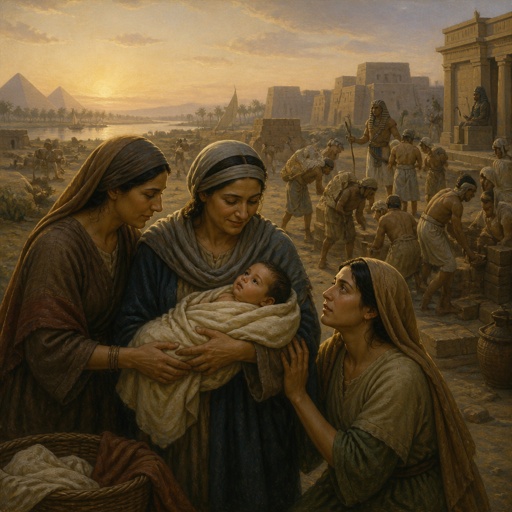
"So they put slave masters over them to oppress them with forced labor, and they built Pithom and Rameses as store cities for Pharaoh. But the more they were oppressed, the more they multiplied and spread; so the Egyptians came to dread the Israelites and worked them ruthlessly. They made their lives bitter with harsh labor in brick and mortar and with all kinds of work in the fields; in all their harsh labor the Egyptians worked them ruthlessly. The king of Egypt said to the Hebrew midwives, whose names were Shiphrah and Puah, “When you are helping the Hebrew women during childbirth on the delivery stool, if you see that the baby is a boy, kill him; but if it is a girl, let her live.” The midwives, however, feared God and did not do what the king of Egypt had told them to do; they let the boys live. Then the king of Egypt summoned the midwives and asked them, “Why have you done this? Why have you let the boys live?” The midwives answered Pharaoh, “Hebrew women are not like Egyptian women; they are vigorous and give birth before the midwives arrive.” So God was kind to the midwives and the people increased and became even more numerous. And because the midwives feared God, he gave them families of their own. Then Pharaoh gave this order to all his people: “Every Hebrew boy that is born you must throw into the Nile, but let every girl live.”" - Exodus 1:11-22

Exodus 1:11-22 - "So they put slave masters over them to oppress them with forced labor, and they built Pithom and Rameses as store cities for Pharaoh. But the more they were oppressed, the more they multiplied and spread; so the Egyptians came to dread the Israelites and worked them ruthlessly. They made their lives bitter with harsh labor in brick and mortar and with all kinds of work in the fields; in all their harsh labor the Egyptians worked them ruthlessly. The king of Egypt said to the Hebrew midwives, whose names were Shiphrah and Puah, “When you are helping the Hebrew women during childbirth on the delivery stool, if you see that the baby is a boy, kill him; but if it is a girl, let her live.” The midwives, however, feared God and did not do what the king of Egypt had told them to do; they let the boys live. Then the king of Egypt summoned the midwives and asked them, “Why have you done this? Why have you let the boys live?” The midwives answered Pharaoh, “Hebrew women are not like Egyptian women; they are vigorous and give birth before the midwives arrive.” So God was kind to the midwives and the people increased and became even more numerous. And because the midwives feared God, he gave them families of their own. Then Pharaoh gave this order to all his people: “Every Hebrew boy that is born you must throw into the Nile, but let every girl live.”"

Exodus 17:11

Acts 1:1-11

The Plague on the Firstborn - Exodus 11, 12:1-30

The Plague on the Firstborn - Exodus 11, 12:1-30

Acts 1:1-11

Exodus 1:1 - "Now these are the names of the children of Israel, which came into Egypt; every man and his household came with Jacob."

Revelation 1:11

Isaiah 11:1

Revelation 1:11

Nehemiah 11:1-19

exodus 18:11
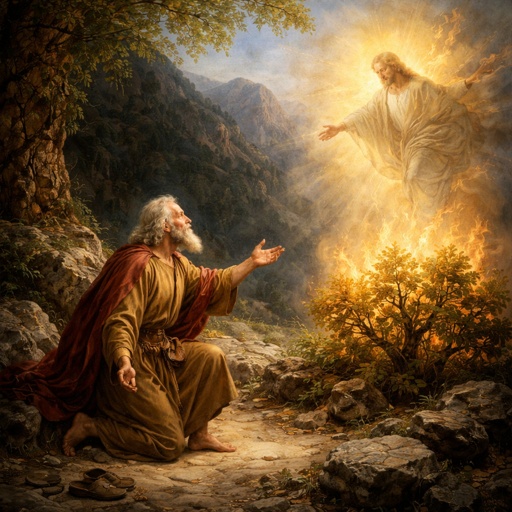
exodus 3:11

The Plague on the Firstborn - Exodus 11
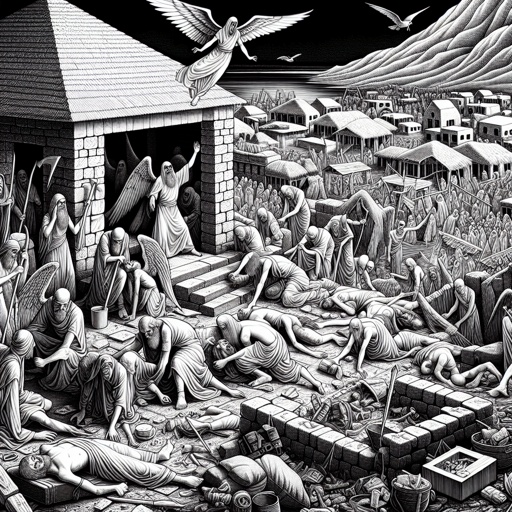
The Plague on the Firstborn - Exodus 11

The Plague on the Firstborn - Exodus 11
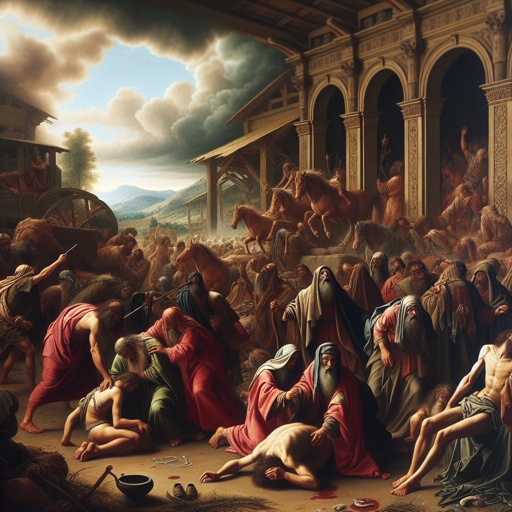
The Plague on the Firstborn - Exodus 11

Exodus 24:9-11

The Plague on the Firstborn - Exodus 11

The Plague on the Firstborn - Exodus 11

Exodus 16:11 - "¶ And the LORD spake unto Moses, saying,"

Exodus 30:11 - "¶ And the LORD spake unto Moses, saying,"

Exodus 39:11 - "And the second row, an emerald, a sapphire, and a diamond."

The Plague on the Firstborn Son - Exodus 11

Exodus 40:11 - "And thou shalt anoint the laver and his foot, and sanctify it."

"Now these are the names of the children of Israel, which came into Egypt; every man and his household came with Jacob." - Exodus 1:1

Exodus 29:11 - "And thou shalt kill the bullock before the LORD, by the door of the tabernacle of the congregation."