The Legacy of Aholibamah: Embracing Our Heritage
"¶ And these are the sons of Aholibamah Esau's wife; duke Jeush, duke Jaalam, duke Korah: these were the dukes that came of Aholibamah the daughter of Anah, Esau's wife." - Genesis 36:18
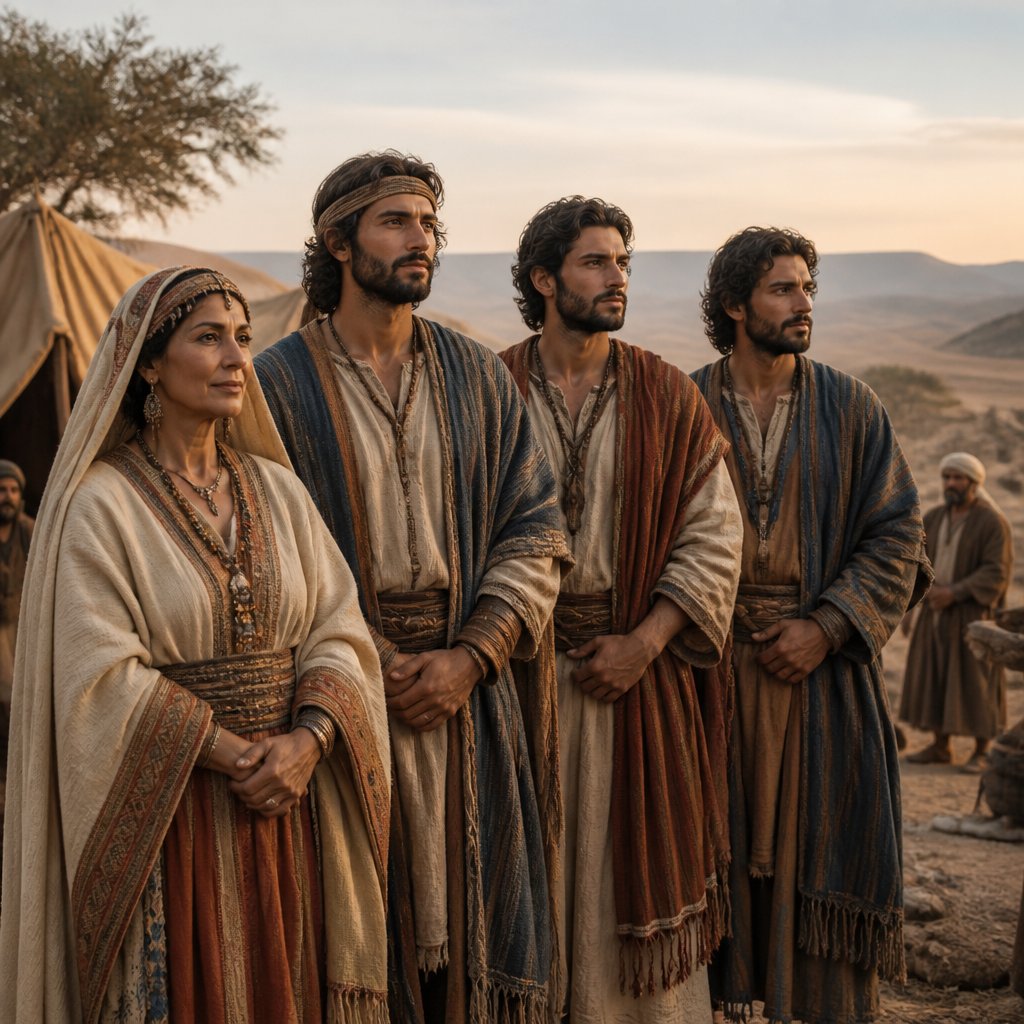
As we turn to Genesis 36:18, we encounter a verse that may seem mundane at first glance, yet it holds profound significance within the tapestry of biblical genealogy and the unfolding plan of God. The verse states, “And these are the sons of Aholibamah Esau's wife; duke Jeush, duke Jaalam, duke Korah: these were the dukes that came of Aholibamah the daughter of Anah, Esau's wife.” In this seemingly straightforward list of names, we are reminded of the importance of family, legacy, and the roles we play in God’s grand narrative.
Aholibamah, named in this text, was one of the wives of Esau, the man who traded his birthright for a bowl of stew. Her very identity as Esau's wife highlights the complexities of familial relationships in biblical narratives. Esau is often seen as a figure of impulsive decisions, a man who, despite his blessings, often lived on the fringes of the covenant family promised to Jacob. Aholibamah’s sons – Jeush, Jaalam, and Korah – serve as reminders that from our choices, even those that are flawed or detrimental, God can still create a lineage. This can call us to reflect on our own lives and the legacies we are building. Are we crafting legacies that reflect God’s love and purpose?
The mention of “dukes” is significant here. In ancient times, the title of duke indicated noble stature and leadership. Aholibamah’s sons ascending to positions of authority reveals that God’s favor was not bound by the complexities of their family ties. Although Esau's relationship with his brother Jacob was fraught with tension and betrayal, the very fact that Aholibamah’s sons were recognized as leaders demonstrates God's ability to transcend our shortcomings.
When we study these names, we are also encouraged to seek understanding of our own spiritual heritage. The God we serve is not limited to traditional pathways of blessing or recognition. Rather, He has a diverse plan that can use our current circumstances, our backgrounds, and yes, even our misunderstandings and mistakes to forge a path for us. Aholibamah’s legacy invites us to consider how we view our heritage. What do we know about our ancestors, and how does that inform our identity in Christ?
Moreover, each name in this verse can lead us to further reflection.
**Jeush**, which can mean ‘he will be rescued,’ can encourage us to remember that God’s rescuing hand is always outstretched toward us in times of need.
**Jaalam**, which may suggest ‘to conceal’ or ‘hidden’, speaks to the hidden purposes of God in our lives, reminding us that not all things are as they seem. Just because it appears that certain things have been concealed does not mean they lack significance in the Lord’s plan.
**Korah**, who bears the name of a biblical figure associated with rebellion, challenges us to examine our hearts for areas of potential insubordination or discouragement towards God’s authority in our lives. It can call us to vigilance against the natural inclination toward pride and self-exaltation.
In the context of faith, our lives are not just about individual accomplishments but are intricately woven into the greater story of God’s redemptive work for humanity. Reflecting on Aholibamah's sons, we learn that each of us has a unique story and a crucial role to play, regardless of our beginnings or the paths we’ve taken. Our legacies can be transformed into testimonies of God's grace if we choose to honor Him with our narratives.
As we step forward, let us embrace our heritages, reaffirm our identities in Christ, and commit to building legacies that reflect His glory. God is always moving, and He can use every part of our life – even the seemingly insignificant parts – to fulfill His purposes. Let us ask ourselves, what legacy are we creating today for future generations?
Want to reflect more on Genesis 36:18?
Continue your spiritual journey with Bible Chat — an AI-powered tool for exploring God's Word through conversation. Ask questions, discover connections, and deepen your understanding.
Get Our Apps


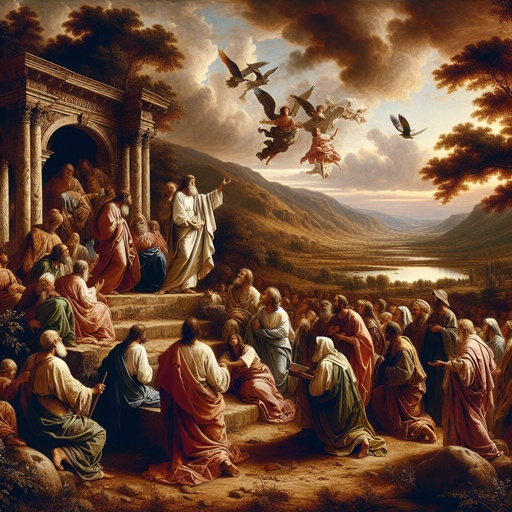
Genesis 36:18 Artwork
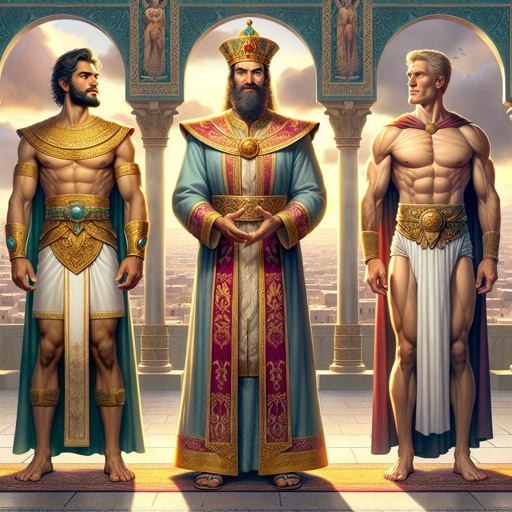
Genesis 36:18 - "¶ And these are the sons of Aholibamah Esau's wife; duke Jeush, duke Jaalam, duke Korah: these were the dukes that came of Aholibamah the daughter of Anah, Esau's wife."
"¶ And these are the sons of Aholibamah Esau's wife; duke Jeush, duke Jaalam, duke Korah: these were the dukes that came of Aholibamah the daughter of Anah, Esau's wife." - Genesis 36:18

Genesis 36:36 - "And Hadad died, and Samlah of Masrekah reigned in his stead."

Genesis 24:36

john 18:36

Genesis 19-36

Genesis 36:28 - "The children of Dishan are these; Uz, and Aran."

"And Hadad died, and Samlah of Masrekah reigned in his stead." - Genesis 36:36

Genesis 36:27 - "The children of Ezer are these; Bilhan, and Zaavan, and Akan."

Genesis 36:3 - "And Bashemath Ishmael's daughter, sister of Nebajoth."

Genesis 36:19 - "These are the sons of Esau, who is Edom, and these are their dukes."

Genesis 36:1 - "Now these are the generations of Esau, who is Edom."

Genesis 36:26 - "And these are the children of Dishon; Hemdan, and Eshban, and Ithran, and Cheran."

Genesis 36:42 - "Duke Kenaz, duke Teman, duke Mibzar,"

Genesis 36:9 - "¶ And these are the generations of Esau the father of the Edomites in mount Seir:"

Genesis 36:41 - "Duke Aholibamah, duke Elah, duke Pinon,"

Genesis 36:8 - "Thus dwelt Esau in mount Seir: Esau is Edom."

Genesis 19:36 - "Thus were both the daughters of Lot with child by their father."

Luke 18:36 - "And hearing the multitude pass by, he asked what it meant."

Genesis 36:25 - "And the children of Anah were these; Dishon, and Aholibamah the daughter of Anah."

Genesis 36:4 - "And Adah bare to Esau Eliphaz; and Bashemath bare Reuel;"

Genesis 36:11 - "And the sons of Eliphaz were Teman, Omar, Zepho, and Gatam, and Kenaz."

Genesis 36:23 - "And the children of Shobal were these; Alvan, and Manahath, and Ebal, Shepho, and Onam."

Genesis 36:34 - "And Jobab died, and Husham of the land of Temani reigned in his stead."

Genesis 36:22 - "And the children of Lotan were Hori and Hemam; and Lotan's sister was Timna."
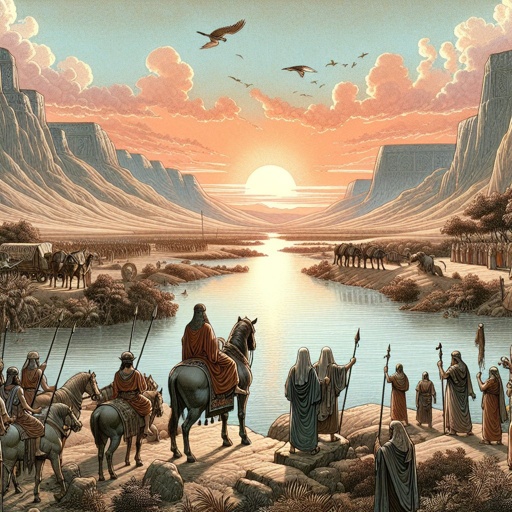
Genesis 36:37 - "And Samlah died, and Saul of Rehoboth by the river reigned in his stead."
Genesis 18-18

Genesis 36:33 - "And Bela died, and Jobab the son of Zerah of Bozrah reigned in his stead."

Genesis 36:38 - "And Saul died, and Baal-hanan the son of Achbor reigned in his stead."

Genesis 36:21 - "And Dishon, and Ezer, and Dishan: these are the dukes of the Horites, the children of Seir in the land of Edom."