The Miracle of Obedience: A Journey from Darkness to Light
"He answered and said, A man that is called Jesus made clay, and anointed mine eyes, and said unto me, Go to the pool of Siloam, and wash: and I went and washed, and I received sight." - John 9:11
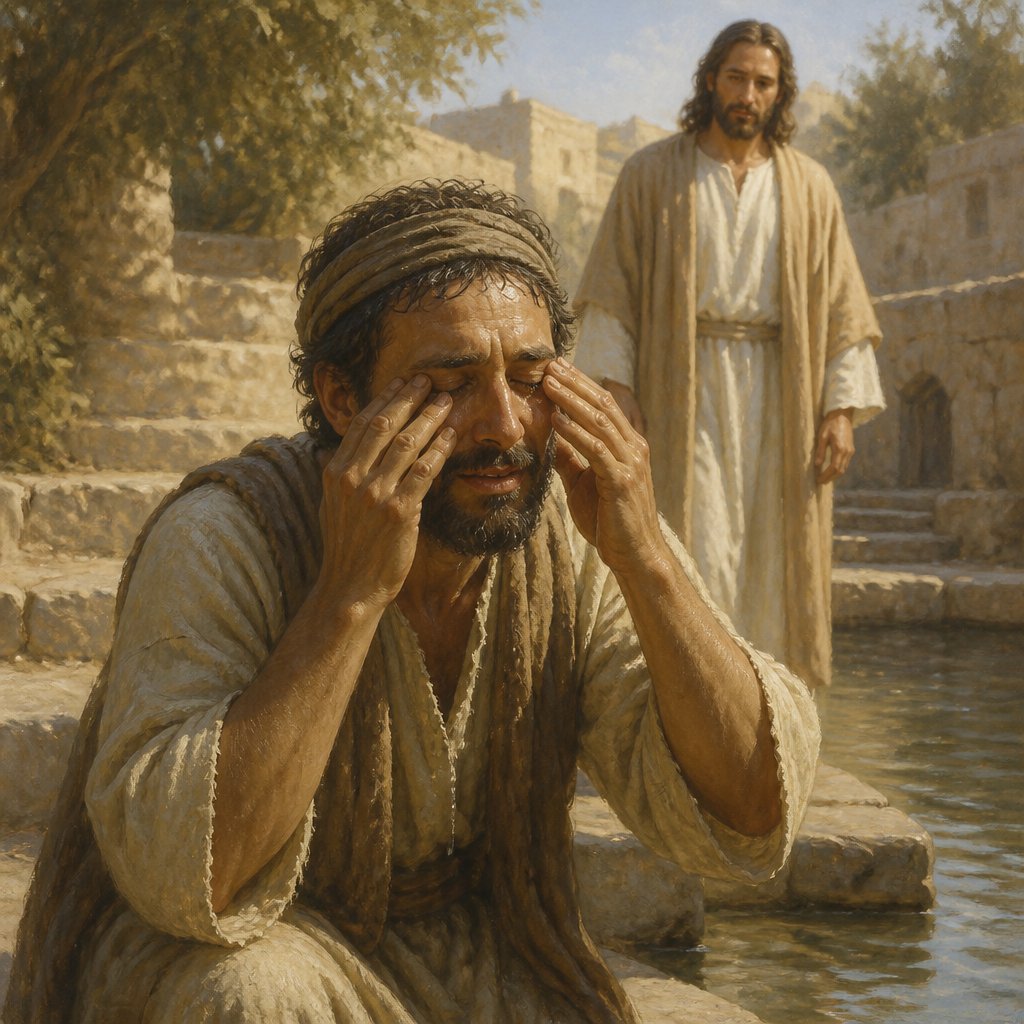
In John 9:11, we encounter the profound testimony of a man who was born blind, granted sight through a simple act of obedience: "He answered and said, A man that is called Jesus made clay, and anointed mine eyes, and said unto me, Go to the pool of Siloam, and wash: and I went and washed, and I received sight." This verse is not merely a recount of a miraculous healing; it encapsulates a deeper narrative about faith, obedience, and transformation.
The story begins with the man's blindness, a condition that not only affected his physical sight but confined him to a life of despair and dependency. In those times, being blind often held societal stigma, and he was likely marginalized, overlooked, and deemed worthless. Yet, when Jesus encountered him, He did not merely see a blind beggar but a soul longing for restoration. Jesus' approach was unconventional; He made clay from dirt and spittle, anointing the man’s eyes.
The act of making clay could symbolize the creation process, reminiscent of God forming man from dust in Genesis. This moment reminds us that Jesus, who is intimately involved in our lives, can create a masterpiece from our mess. He works through our struggles, taking the very dirt of our experiences, our past mistakes, our helplessness, and He molds it into something beautiful. The clay signifies our imperfections; it speaks volumes about how God can use our brokenness as a canvas for His grace.
Now, let’s focus on the command Jesus gives: "Go to the pool of Siloam, and wash." Here lies a pivotal moment of obedience and trust. The man could have easily resisted; after all, Jesus’ instructions sounded strange—go wash in a distant pool without knowing if he would actually receive his sight. However, the blind man did not hesitate. He was willing to act on the word of Jesus, despite his circumstances. This obedience highlights an essential aspect of faith—it requires action.
In our spiritual journeys, we often face moments where we must decide whether to trust and obey God's directions, even when the path is unclear or daunting. The blind man understood that the restoration of his sight depended on his compliance to Jesus' command. His willingness to obey catalyzed his healing. Similarly, when we follow God’s lead, even when the way seems murky, we open ourselves to His transformative power.
When he washed at the Pool of Siloam, the act was not just physical; it was an affirmation of faith. It was at this pool, a place with historical significance in Jewish culture, that he chose to believe in the words of Jesus wholeheartedly. When he emerged from the waters, the world he had only perceived through memories and sound suddenly became a vibrant tapestry of color and life. It was a radical transformation—from darkness into light.
Furthermore, the act of washing could also symbolize spiritual purification. In scripture, water is often used to signify renewal, cleansing, and rebirth. The blind man's journey to the pool mirrors our own journey of faith—a movement from the grime of sin and despair to the pureness and brightness found in Christ.
As we meditate on John 9:11, let us ask ourselves: what areas of our lives need divine healing? What acts of obedience is God calling us to undertake? Are we willing to respond in faith, despite our circumstances?
In closing, the testimony of this blind man is an invitation to us all. Just as he received his physical sight, we can seek spiritual illumination through obedience to Christ. We may face challenges, but the key lies in understanding that our obedience sets the stage for God’s miracles. Let us go forth, not with sight merely for our eyes, but with vision for our hearts—to seek Jesus, listen to His words, and act accordingly. In doing so, we too, can experience the power of the miraculous presence of Christ in our lives.
Want to reflect more on John 9:11?
Continue your spiritual journey with Bible Chat — an AI-powered tool for exploring God's Word through conversation. Ask questions, discover connections, and deepen your understanding.
Get Our Apps


John 9:11 Artwork

John 9:11 - "He answered and said, A man that is called Jesus made clay, and anointed mine eyes, and said unto me, Go to the pool of Siloam, and wash: and I went and washed, and I received sight."
"He answered and said, A man that is called Jesus made clay, and anointed mine eyes, and said unto me, Go to the pool of Siloam, and wash: and I went and washed, and I received sight." - John 9:11

John 11:9 - "Jesus answered, Are there not twelve hours in the day? If any man walk in the day, he stumbleth not, because he seeth the light of this world."

John (11:35) Jesus wept.

john 21:9
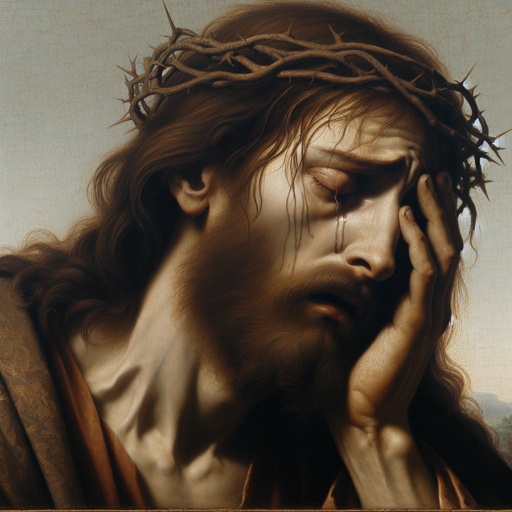
John (11:35) Jesus wept.

John (11:35) Jesus wept.

John 11:35

John 15.1-11

John 11:35

John (11:35) Jesus wept.

John (11:35) Jesus wept.

John (11:35) Jesus wept.

John 10:9

John 10:9

John 10:9

John (11:35) Jesus wept.

John (11:35) Jesus wept.

John (11:35) Jesus wept.
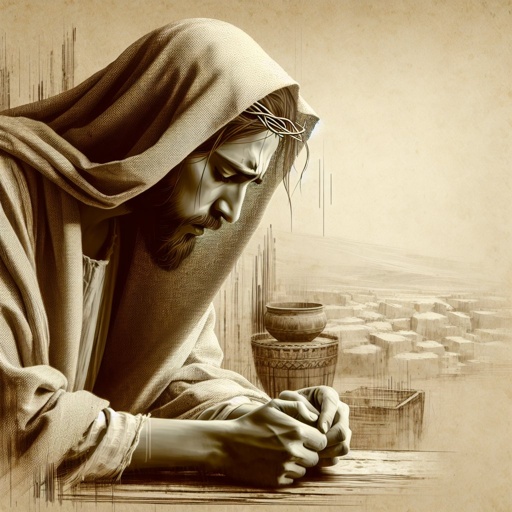
John 11:35 - "Jesus wept."

John (11:35) Jesus wept.

John (11:35) Jesus wept.

John (11:35) Jesus wept.

John (11:35) Jesus wept.

John (11:35) Jesus wept.

John 20:11-12

JOHN 6:11-13

John 20:11-13

John 8:4-11

John 6:8-9