What does Deuteronomy 11:10 mean?
"¶ For the land, whither thou goest in to possess it, is not as the land of Egypt, from whence ye came out, where thou sowedst thy seed, and wateredst it with thy foot, as a garden of herbs:" - Deuteronomy 11:10
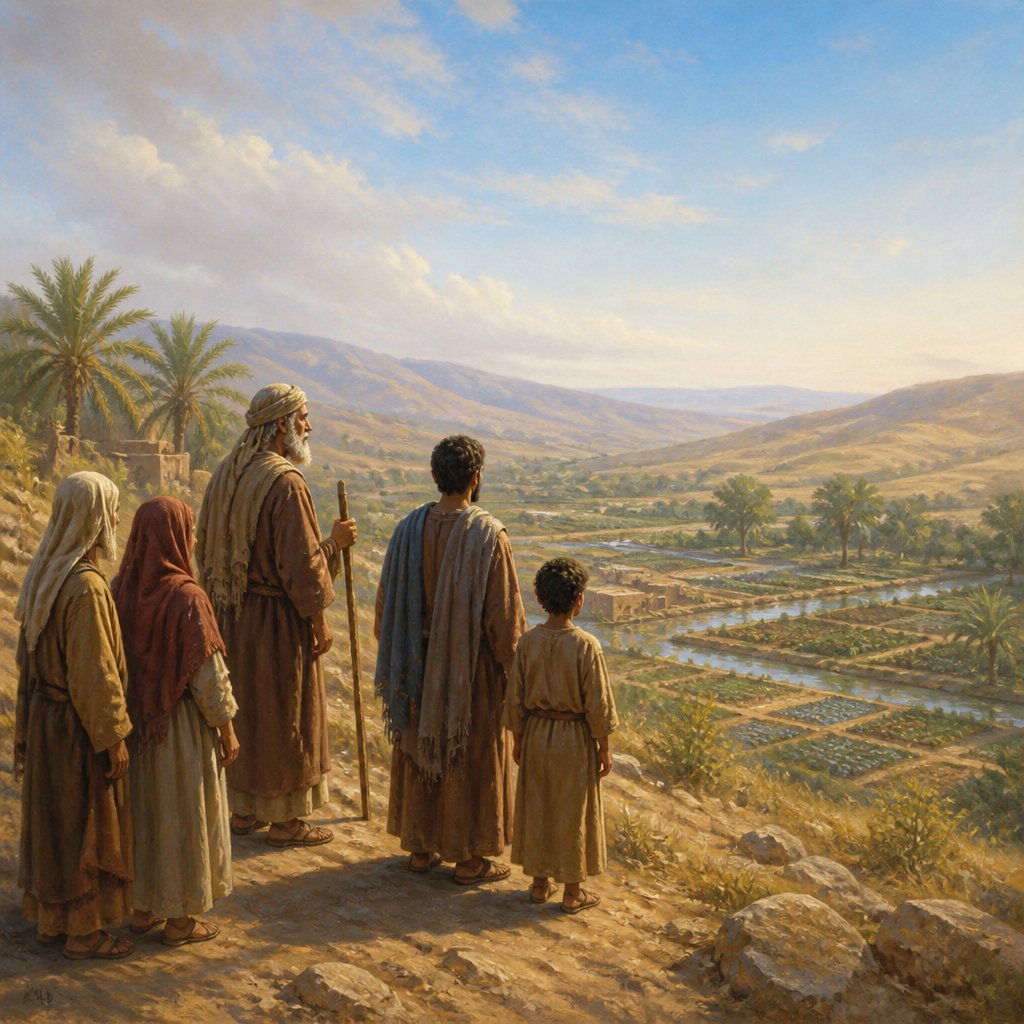
Deuteronomy 11:10 (KJV) states, "For the land, whither thou goest in to possess it, is not as the land of Egypt, from whence ye came out, where thou sowedst thy seed, and wateredst it with thy foot, as a garden of herbs."
This verse from the Book of Deuteronomy is part of Moses' farewell address to the Israelites, in which he reminds them of their journey from Egypt to the Promised Land. In this particular verse, Moses emphasizes the stark contrast between the land of Egypt and the land of Canaan, which the Israelites are about to possess.
One of the key themes in this verse is the idea of God's provision and faithfulness. The land of Egypt, from which the Israelites have come, is described as a place where they had to toil and labor to make the land fertile. They had to sow their seeds and manually water the land with their feet, much like a gardener tending to a garden of herbs. This image serves to remind the Israelites of the difficult and laborious conditions they experienced in Egypt.
In contrast, the land of Canaan, which God has promised to give to the Israelites, is described as a land of abundance and blessing. The implication is that in Canaan, the Israelites will not have to rely solely on their own efforts to cultivate the land. Instead, God will provide for them and bless the land, making it fertile and abundant without the need for their constant labor.
This verse also serves as a reminder of the Israelites' dependence on God. Throughout their journey from Egypt to Canaan, God has been their provider, sustainer, and protector. The verse serves as a warning to the Israelites not to forget God's faithfulness and to remember that it is only by His grace and provision that they will inherit the land of Canaan.
The context of this verse is important in understanding its significance. The Israelites have just spent 40 years wandering in the wilderness as a consequence of their disobedience and lack of faith. Now, they are finally on the brink of entering the Promised Land, and Moses is exhorting them to remember the faithfulness of God and to remain obedient to His commands.
In addition to its literal meaning, this verse also holds symbolic significance. The land of Egypt can be seen as a symbol of bondage, hardship, and struggle, while the land of Canaan represents freedom, blessing, and abundance. The contrast between the two lands serves as a powerful metaphor for the spiritual journey of the Israelites and, by extension, the journey of every believer.
Ultimately, Deuteronomy 11:10 is a reminder of God's faithfulness, provision, and grace. It serves as a call for the Israelites to remain faithful and obedient to God as they prepare to enter the Promised Land. The verse also carries a timeless message for believers today – to remember God's faithfulness in the past, to trust in His provision for the future, and to remain obedient to His commands. This verse reminds us that our blessings and abundance come from God, and as such, we should always rely on His provision and give thanks for His grace.
Have questions about Deuteronomy 11:10?
Dive deeper into this scripture with Bible Chat — an AI-powered tool for exploring God's Word through conversation. Ask questions, get context, and grow in your understanding of the Bible.
Get Our Apps


Deuteronomy 11:10 Artwork

Deuteronomy 11:10 - "¶ For the land, whither thou goest in to possess it, is not as the land of Egypt, from whence ye came out, where thou sowedst thy seed, and wateredst it with thy foot, as a garden of herbs:"
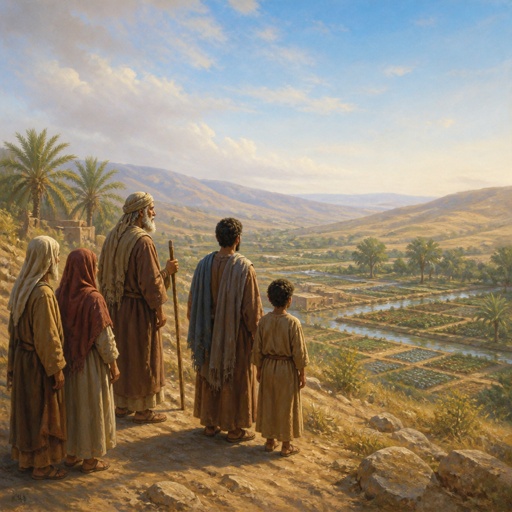
"¶ For the land, whither thou goest in to possess it, is not as the land of Egypt, from whence ye came out, where thou sowedst thy seed, and wateredst it with thy foot, as a garden of herbs:" - Deuteronomy 11:10

Deuteronomy 10:11 - "And the LORD said unto me, Arise, take thy journey before the people, that they may go in and possess the land, which I sware unto their fathers to give unto them."

Deuteronomy 11:23

Deuteronomy 26:4-10

Deuteronomy 11:11 - "But the land, whither ye go to possess it, is a land of hills and valleys, and drinketh water of the rain of heaven:"

Deuteronomy 26:4-10

Create a picture of Deuteronomy 11:20

Deuteronomy 14:11 - "¶ Of all clean birds ye shall eat."

Deuteronomy 18:11 - "Or a charmer, or a consulter with familiar spirits, or a wizard, or a necromancer."

Deuteronomy 27:11 - "¶ And Moses charged the people the same day, saying,"

Deuteronomy 22:10 - "¶ Thou shalt not plow with an ox and an ass together."
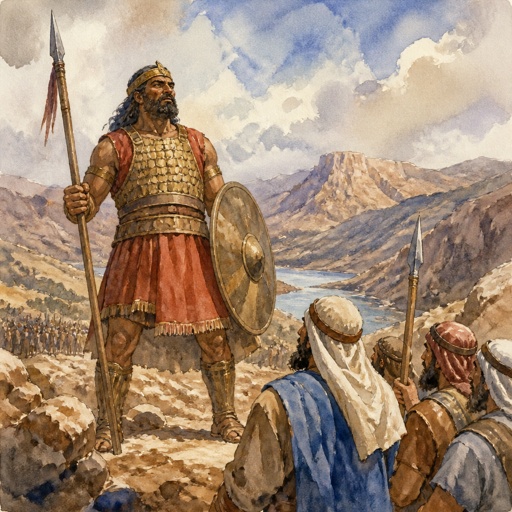
King Og Deuteronomy 3:1-11

Deuteronomy 10:16 - "Circumcise therefore the foreskin of your heart, and be no more stiffnecked."

Deuteronomy 11:26 - "¶ Behold, I set before you this day a blessing and a curse;"

Deuteronomy 22:11 - "¶ Thou shalt not wear a garment of divers sorts, as of woollen and linen together."

Deuteronomy 2:11 - "Which also were accounted giants, as the Anakims; but the Moabites call them Emims."

Deuteronomy 10:19 - "Love ye therefore the stranger: for ye were strangers in the land of Egypt."

Deuteronomy 11:5 - "And what he did unto you in the wilderness, until ye came into this place;"

Deuteronomy 14:10 - "And whatsoever hath not fins and scales ye may not eat; it is unclean unto you."

Deuteronomy 5:10 - "And shewing mercy unto thousands of them that love me and keep my commandments."

Deuteronomy 2:10 - "The Emims dwelt therein in times past, a people great, and many, and tall, as the Anakims;"

Deuteronomy 11:15 - "And I will send grass in thy fields for thy cattle, that thou mayest eat and be full."

Deuteronomy 10:10 - "And I stayed in the mount, according to the first time, forty days and forty nights; and the LORD hearkened unto me at that time also, and the LORD would not destroy thee."

Deuteronomy 11:7 - "But your eyes have seen all the great acts of the LORD which he did."

Deuteronomy 30:11 - "¶ For this commandment which I command thee this day, it is not hidden from thee, neither is it far off."

Deuteronomy 25:10 - "And his name shall be called in Israel, The house of him that hath his shoe loosed."

Deuteronomy 20:10 - "¶ When thou comest nigh unto a city to fight against it, then proclaim peace unto it."

Deuteronomy 11:27 - "A blessing, if ye obey the commandments of the LORD your God, which I command you this day:"

Deuteronomy 13:11 - "And all Israel shall hear, and fear, and shall do no more any such wickedness as this is among you."