What does Exodus 1:22 mean?
"And Pharaoh charged all his people, saying, Every son that is born ye shall cast into the river, and every daughter ye shall save alive." - Exodus 1:22
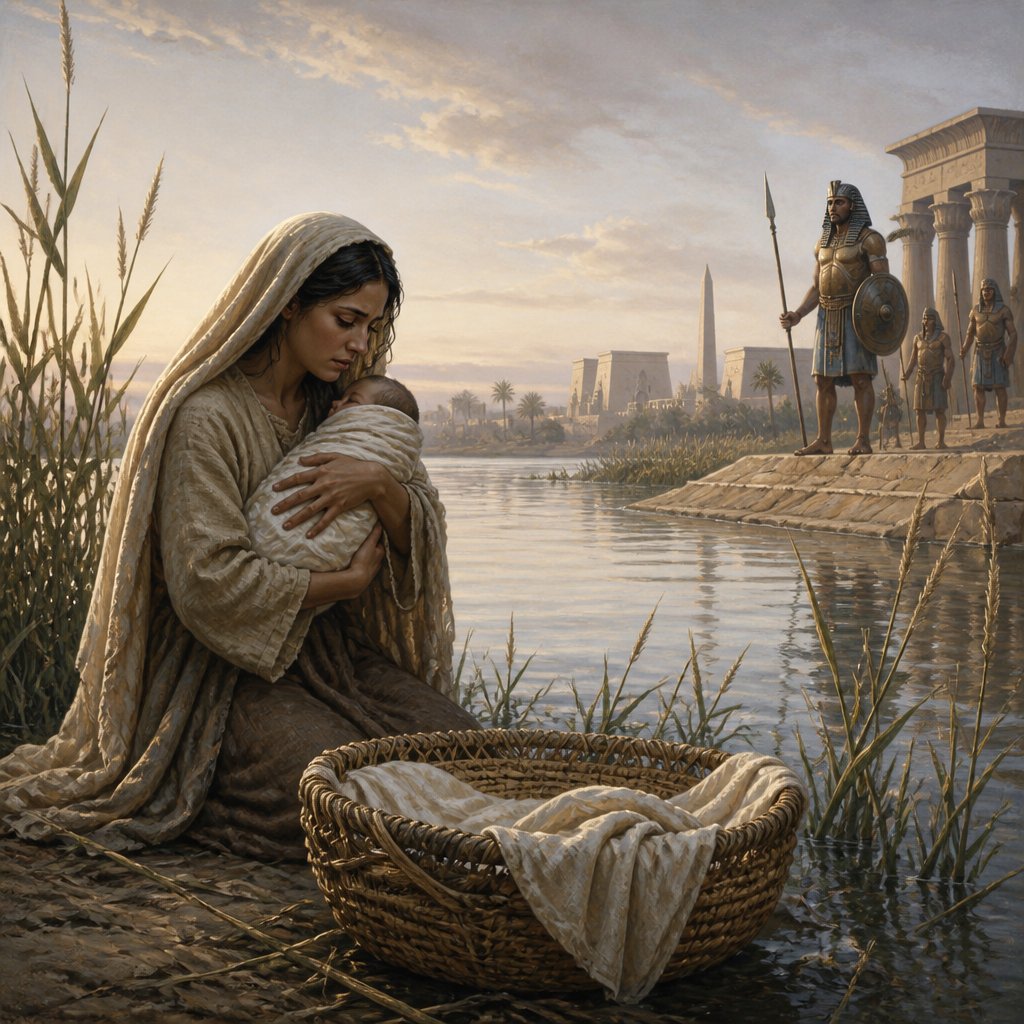
Exodus 1:22 in the King James Version of the Bible reads, "And Pharaoh charged all his people, saying, Every son that is born ye shall cast into the river, and every daughter ye shall save alive." This verse comes at the end of a chapter that tells the story of the Israelites' enslavement in Egypt and their oppression at the hands of the Egyptians. The verse, and the chapter as a whole, sheds light on themes of oppression, resilience, and the power of God's deliverance.
The context of Exodus 1:22 is crucial to understanding its significance. At this point in the biblical narrative, the descendants of Jacob (the Israelites) have been living in Egypt for some time. Initially, they were given favor in the land due to Joseph's position of power as the Pharaoh's second-in-command. However, as time passed, a new Pharaoh arose who did not know Joseph and felt threatened by the growing population of Israelites. In an effort to control and oppress them, Pharaoh enslaves the Israelites and forces them into hard labor. Yet, despite the harsh conditions, the Israelites continued to multiply and grow in number, which only fueled Pharaoh's fear and determination to subdue them.
In this chapter, Pharaoh commands the Hebrew midwives to kill all male infants that are born to the Israelites. However, the midwives fear God and refuse to carry out Pharaoh's orders, resulting in the continued proliferation of Israelite boys. Frustrated by their defiance, Pharaoh issues a new decree declaring that every Hebrew boy that is born should be thrown into the Nile River, while the daughters should be spared. This cruel and inhumane command reflects Pharaoh's desperation to maintain control over the Israelites, even at the cost of innocent lives.
The symbolism in Exodus 1:22 is profound. The river, in this context, represents both a place of danger and salvation. For the Israelite boys, being cast into the river meant certain death, as they would be left to drown or be eaten by predators. However, this act of infanticide also symbolizes the potential destruction of the Israelite community as a whole. By targeting the male infants, Pharaoh sought to eliminate the future generation of Israelite men who would have the power to resist and revolt against their oppressors.
On the other hand, the act of saving the daughters alive suggests hope and resilience. Despite the grave injustice and cruelty of Pharaoh's decree, the daughters of Israel were given a chance to live and carry on the lineage of their people. This act of mercy and preservation represents the enduring strength and resilience of the Israelite community in the face of oppression.
The themes of oppression and resilience are central to the story of Exodus and are powerfully conveyed in this verse. The Israelites' suffering under the oppressive rule of Pharaoh is a stark reminder of the enduring reality of injustice and the abuse of power. Despite their subjugation, the Israelites' refusal to be extinguished and their determination to survive and thrive is a testament to the indomitable human spirit.
Moreover, Exodus 1:22 also highlights the faithfulness and intervention of God in the midst of human suffering and injustice. Throughout the biblical narrative, God is depicted as a protector and deliverer of the oppressed. This verse serves as a prelude to the larger narrative of God's miraculous deliverance of the Israelites from slavery and their journey to the Promised Land.
Overall, Exodus 1:22 serves as a powerful reminder of the enduring impact of oppression, the resilience of the human spirit, and the divine presence of God in the midst of suffering. It offers hope to those who are oppressed and marginalized, assuring them that despite the cruelty and injustice they may face, God is ultimately a God of justice and deliverance.
Have questions about Exodus 1:22?
Dive deeper into this scripture with Bible Chat — an AI-powered tool for exploring God's Word through conversation. Ask questions, get context, and grow in your understanding of the Bible.
Get Our Apps


Exodus 1:22 Artwork
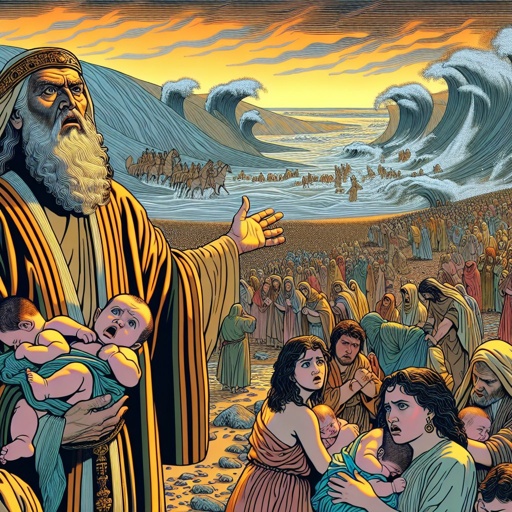
Exodus 1:22 - "And Pharaoh charged all his people, saying, Every son that is born ye shall cast into the river, and every daughter ye shall save alive."
"And Pharaoh charged all his people, saying, Every son that is born ye shall cast into the river, and every daughter ye shall save alive." - Exodus 1:22

Exodus 22:28

Exodus 22:28

Exodus 22:28

Exodus 22:28

Exodus 22:28

Exodus 22:5

Exodus 22:28

Exodus 22:28

Exodus 22:5

Exodus 22:5

Exodus 22:28

Exodus 22:28

Exodus 22:28

Exodus 22:28

Exodus 25:10-22
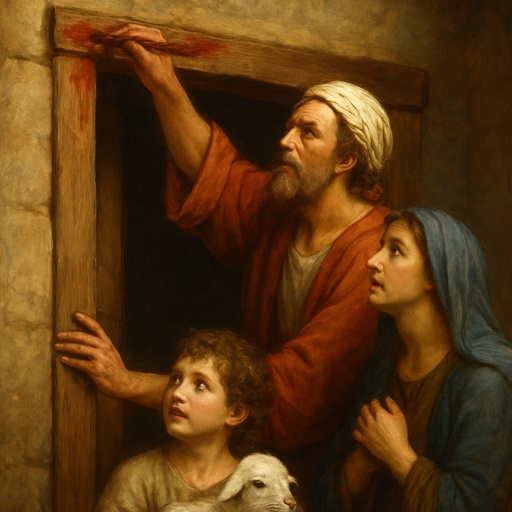
exodus 12:22 painting door lintel with blood
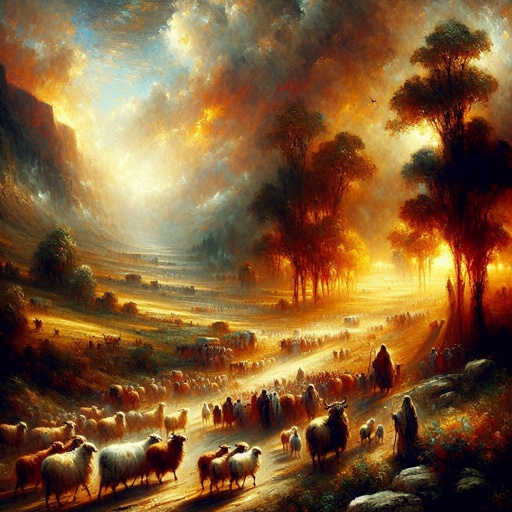
Exodus 22:1 - "If a man shall steal an ox, or a sheep, and kill it, or sell it; he shall restore five oxen for an ox, and four sheep for a sheep."

Exodus 22:22 - "¶ Ye shall not afflict any widow, or fatherless child."

Exodus 15:22

Exodus 22:28

Exodus 22:28

Exodus 22:28

Exodus 6:22 - "And the sons of Uzziel; Mishael, and Elzaphan, and Zithri."

Exodus 22:18 - "¶ Thou shalt not suffer a witch to live."

Exodus 30:22 - "¶ Moreover the LORD spake unto Moses, saying,"

Exodus 22:19 - "¶ Whosoever lieth with a beast shall surely be put to death."

"¶ Ye shall not afflict any widow, or fatherless child." - Exodus 22:22

Exodus 39:22 - "¶ And he made the robe of the ephod of woven work, all of blue."