What does Exodus 22:1 mean?
"If a man shall steal an ox, or a sheep, and kill it, or sell it; he shall restore five oxen for an ox, and four sheep for a sheep." - Exodus 22:1
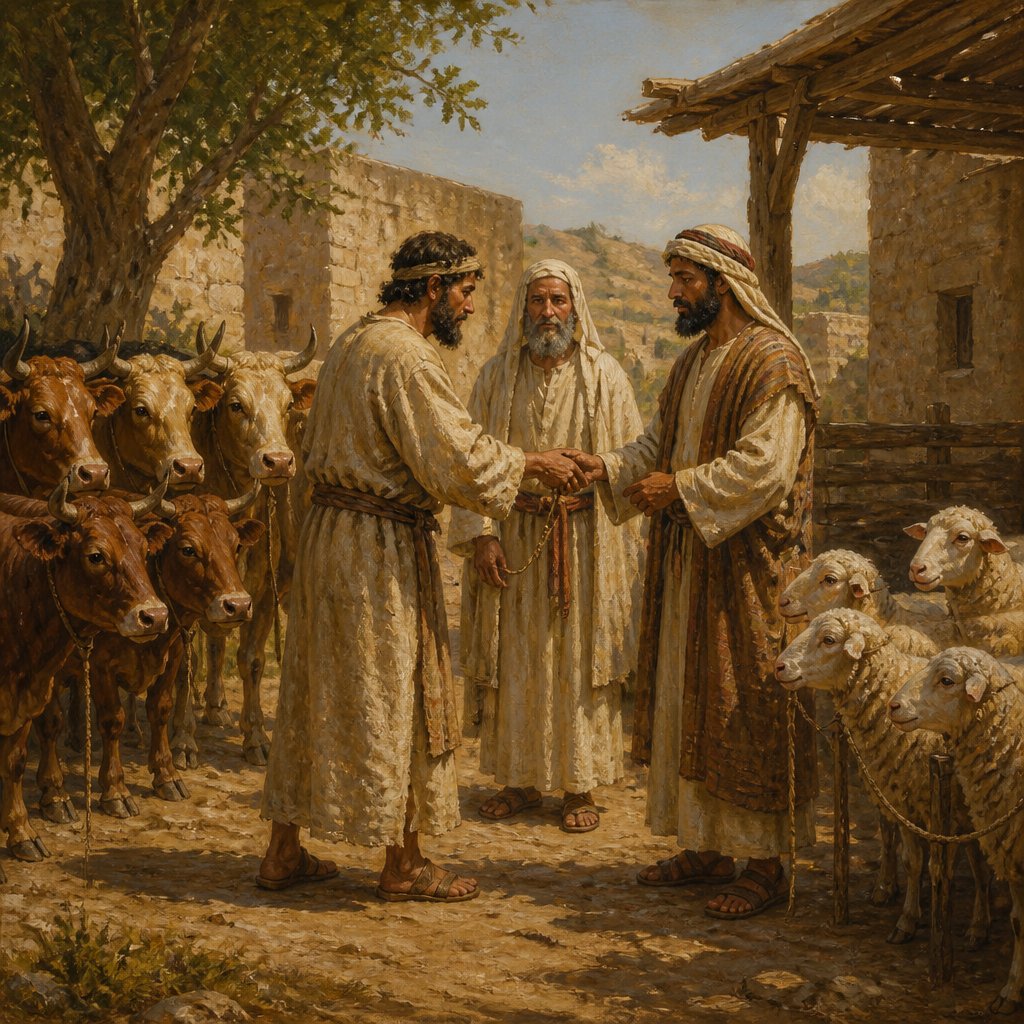
Exodus 22:1 in the King James Version of the Bible states, "If a man shall steal an ox, or a sheep, and kill it, or sell it; he shall restore five oxen for an ox, and four sheep for a sheep."
This verse is part of the Old Testament and falls within the context of the laws and regulations given by God to the Israelites through Moses. The book of Exodus follows the story of the Israelites' deliverance from slavery in Egypt and their journey to the promised land. During this journey, God establishes a covenant with the Israelites and provides them with a set of laws and regulations to govern their behavior and ensure justice and righteousness in their community.
In this particular verse, God addresses the issue of theft, specifically the stealing and disposal of livestock. The verse outlines the consequences for stealing and disposing of an ox or a sheep. The perpetrator is required to make restitution, restoring five oxen for an ox and four sheep for a sheep. This principle of restitution emphasizes the importance of making amends for one's wrongdoings and provides a framework for justice and accountability within the community.
The underlying theme of this verse is the importance of honesty, integrity, and respect for others' property. It reflects a fundamental aspect of God's character, which is justice. By establishing these laws, God emphasizes the value of fairness and equity in human relationships. It also promotes the idea of personal responsibility and accountability for one's actions.
The symbolism in this verse is significant. The stealing and disposal of livestock were common occurrences in ancient times, and they represented a significant loss to the owner. Livestock were essential for sustenance, livelihood, and economic stability. Therefore, stealing and disposing of livestock not only caused material loss but also disrupted the social and economic equilibrium of the community.
The restitution outlined in the verse symbolizes the concept of making things right and restoring what has been taken. It highlights the importance of reconciliation and restoration in the face of wrongdoing. By requiring the thief to restore multiple animals for the one that was stolen or disposed of, God emphasizes the seriousness of the offense and the value of the property that was taken. This serves as a deterrent for future theft and promotes a culture of respect and regard for others' possessions.
Furthermore, this verse also points to the greater spiritual principle of restitution. In a broader sense, it underscores the need for repentance and making amends for our sins. The concept of restitution is not just limited to material possessions but also extends to the need to make things right with God and others when we have wronged them. This aligns with the broader biblical message of seeking forgiveness, reconciliation, and restoration in our relationships with God and others.
The verse also reflects the evolving understanding of justice and ethical responsibility within the biblical narrative. It demonstrates God's desire for a just and equitable society, where individuals are held accountable for their actions and where fairness and integrity are upheld as essential virtues. This principle of restitution serves as a foundational building block for the establishment of a righteous and harmonious community.
In conclusion, Exodus 22:1 in the King James Version of the Bible addresses the issue of theft and outlines the principles of restitution for stealing and disposing of livestock. This verse carries significant themes of justice, integrity, and accountability, and it emphasizes the importance of making amends for one's wrongdoings and promoting fairness and equity in human relationships. The symbolism within the verse underscores the principles of making things right and restoring what has been taken, both materially and spiritually. Ultimately, this verse reflects God's desire for a just and equitable society and serves as a foundational principle for ethical responsibility and accountability within the community.
Have questions about Exodus 22:1?
Dive deeper into this scripture with Bible Chat — an AI-powered tool for exploring God's Word through conversation. Ask questions, get context, and grow in your understanding of the Bible.
Get Our Apps


Exodus 22:1 Artwork
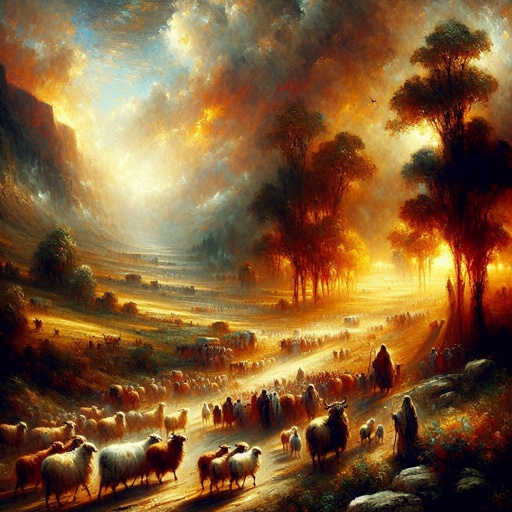
Exodus 22:1 - "If a man shall steal an ox, or a sheep, and kill it, or sell it; he shall restore five oxen for an ox, and four sheep for a sheep."
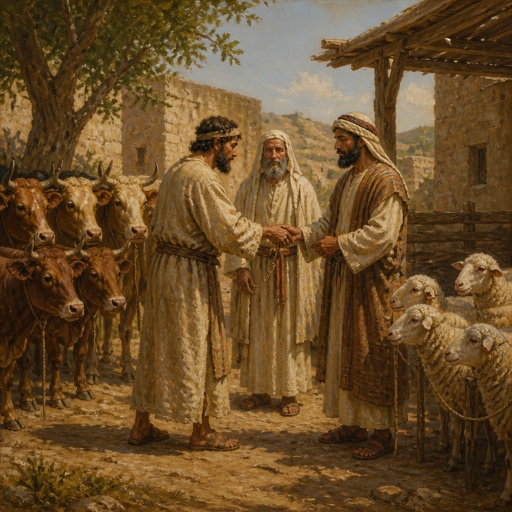
"If a man shall steal an ox, or a sheep, and kill it, or sell it; he shall restore five oxen for an ox, and four sheep for a sheep." - Exodus 22:1

Exodus 22:28

Exodus 22:28

Exodus 22:28

Exodus 22:28

Exodus 22:28

Exodus 22:28

Exodus 22:5

Exodus 22:5

Exodus 22:28

Exodus 22:5

Exodus 22:28

Exodus 22:28

Exodus 22:28

Exodus 22:28

Exodus 25:10-22
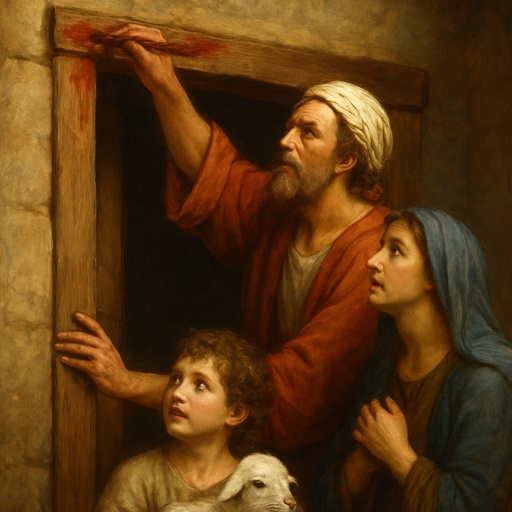
exodus 12:22 painting door lintel with blood

Exodus 22:22 - "¶ Ye shall not afflict any widow, or fatherless child."

Exodus 15:22

Exodus 22:28
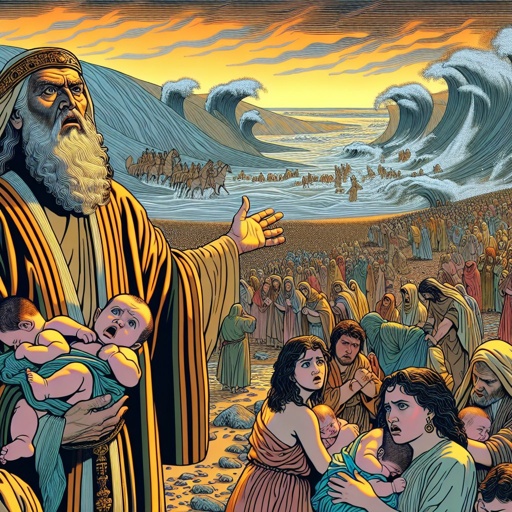
Exodus 1:22 - "And Pharaoh charged all his people, saying, Every son that is born ye shall cast into the river, and every daughter ye shall save alive."

Exodus 22:28

Exodus 22:28

Exodus 6:22 - "And the sons of Uzziel; Mishael, and Elzaphan, and Zithri."

Exodus 22:18 - "¶ Thou shalt not suffer a witch to live."

Exodus 30:22 - "¶ Moreover the LORD spake unto Moses, saying,"

Exodus 22:19 - "¶ Whosoever lieth with a beast shall surely be put to death."

"¶ Ye shall not afflict any widow, or fatherless child." - Exodus 22:22

Exodus 39:22 - "¶ And he made the robe of the ephod of woven work, all of blue."