What does Exodus 22:11 mean?
"Then shall an oath of the LORD be between them both, that he hath not put his hand unto his neighbour's goods; and the owner of it shall accept thereof, and he shall not make it good." - Exodus 22:11
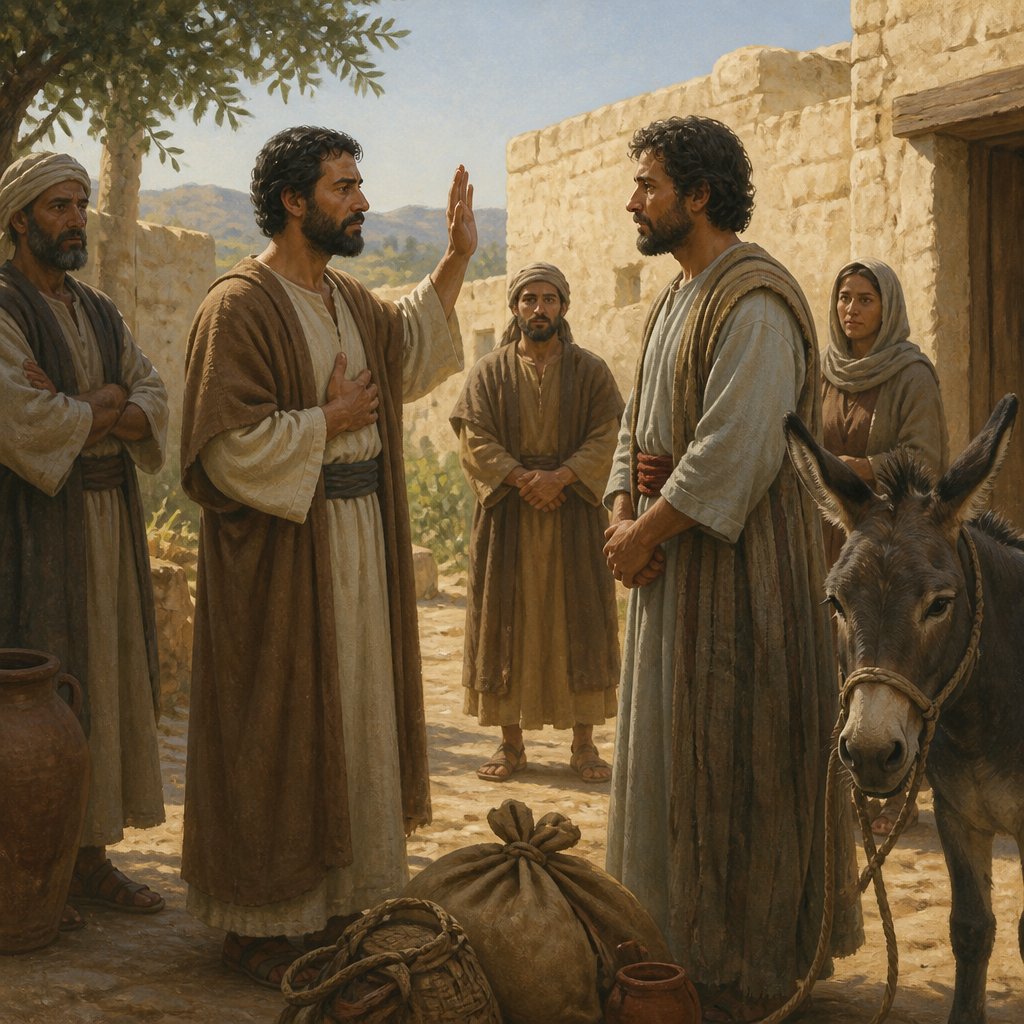
Exodus 22:11 (KJV) states, "Then shall an oath of the Lord be between them both, that he hath not put his hand unto his neighbor's goods; and the owner of it shall accept thereof, and he shall not make it good."
At first glance, this verse may seem quite specific and somewhat obscure in its relevance to modern-day life. However, when placed within the greater context of the book of Exodus and the Bible as a whole, it becomes clear that this verse holds significant moral and ethical implications. Let's delve into the themes, context, and symbolism within this verse to gain a deeper understanding of its meaning.
The book of Exodus is primarily concerned with the journey of the Israelites as they are liberated from slavery in Egypt and led to the Promised Land by Moses, under the guidance and intervention of God. The laws and commandments provided in Exodus serve as a foundation for the moral and ethical framework of God's chosen people. In this context, Exodus 22:11 addresses the issue of theft and the importance of honesty and integrity in relationships with others.
The verse begins with the stipulation that an oath of the Lord must be taken between two parties. This oath is a solemn and binding agreement, invoking the name of God to bear witness to the truth of a claim or promise. The significance of invoking the name of the Lord in making a pledge underscores the sacred and weighty nature of such an oath. It emphasizes the importance of honesty and integrity, as lying under oath is a betrayal of the divine trust.
The verse then specifies that the oath is taken to assert that one has not wrongfully taken possession of their neighbor's goods. This highlights the issue of theft and the violation of personal property. In ancient Israelite society, as in many cultures throughout history, property ownership was of great importance, and theft was considered a serious offense. The commandments of God laid out in Exodus stress the sanctity of personal property and the inherent rights of individuals to possess and steward their own belongings. By addressing the issue of theft and false claims of ownership, Exodus 22:11 upholds the principles of justice and fairness as integral components of a righteous society.
The latter part of the verse states that the owner of the goods must accept the oath as validation of the accused party's innocence, and they are not required to make restitution. This demonstrates the value of the oath as a means of resolving disputes and restoring trust between individuals. It also serves as a safeguard against false accusations and hastily made assumptions, promoting reconciliation and the preservation of community harmony.
Symbolically, Exodus 22:11 can be seen as a representation of the importance of truthfulness and trustworthiness in interpersonal relationships. The act of invoking the name of the Lord in an oath signifies the divine presence in matters of justice and integrity. This reflects the broader theme of the Israelites' covenant with God, in which they are called to uphold moral and ethical standards in their interactions with one another, as well as in their devotion to the Lord.
In a contemporary context, the principles embodied in Exodus 22:11 remain relevant and applicable. The importance of honesty, respect for personal property, and the pursuit of justice are enduring values that shape the moral fabric of society. The verse serves as a reminder of the sacred nature of promises and the necessity of upholding truth and integrity in one's words and actions.
In conclusion, Exodus 22:11 carries a powerful message concerning the significance of honesty, integrity, and justice in human relationships. Its moral and ethical themes resonate across time and continue to guide individuals in their pursuit of righteousness and virtue. As part of the broader context of the book of Exodus and the Bible as a whole, this verse stands as a testament to the enduring principles of God's law and the timeless relevance of divine wisdom in human affairs.
Have questions about Exodus 22:11?
Dive deeper into this scripture with Bible Chat — an AI-powered tool for exploring God's Word through conversation. Ask questions, get context, and grow in your understanding of the Bible.
Get Our Apps


Exodus 22:11 Artwork
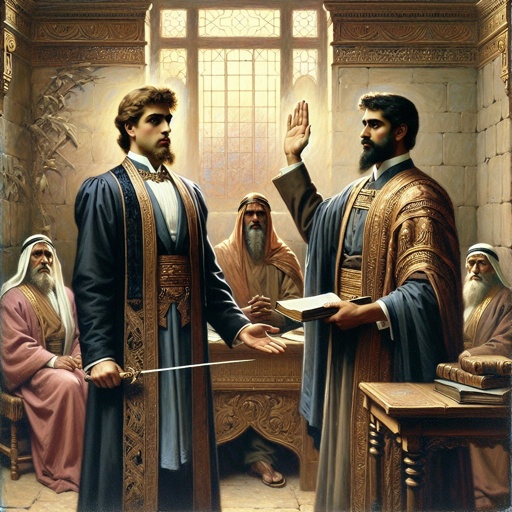
Exodus 22:11 - "Then shall an oath of the LORD be between them both, that he hath not put his hand unto his neighbour's goods; and the owner of it shall accept thereof, and he shall not make it good."
"Then shall an oath of the LORD be between them both, that he hath not put his hand unto his neighbour's goods; and the owner of it shall accept thereof, and he shall not make it good." - Exodus 22:11

Exodus 22:28

Exodus 22:28

Exodus 22:5

Exodus 22:5

Exodus 22:28

Exodus 22:28

Exodus 22:5

Exodus 22:28

Exodus 22:28

Exodus 22:28

Exodus 22:28

Exodus 22:28

Exodus 22:28

Exodus 22:28

Exodus 22:22 - "¶ Ye shall not afflict any widow, or fatherless child."

Exodus 15:22

Exodus 22:28

Exodus 22:28

Exodus 22:28

Exodus 25:10-22

Numbers 22:11 - "Behold, there is a people come out of Egypt, which covereth the face of the earth: come now, curse me them; peradventure I shall be able to overcome them, and drive them out."

James 2:2-4

Exodus 6:22 - "And the sons of Uzziel; Mishael, and Elzaphan, and Zithri."

Exodus 22:18 - "¶ Thou shalt not suffer a witch to live."

exodus 18:11
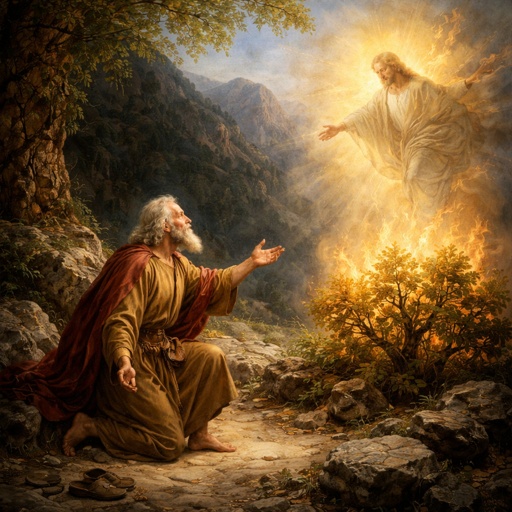
exodus 3:11

Exodus 17:11

Exodus 30:22 - "¶ Moreover the LORD spake unto Moses, saying,"