What does Genesis 8:14 mean?
"And in the second month, on the seven and twentieth day of the month, was the earth dried." - Genesis 8:14
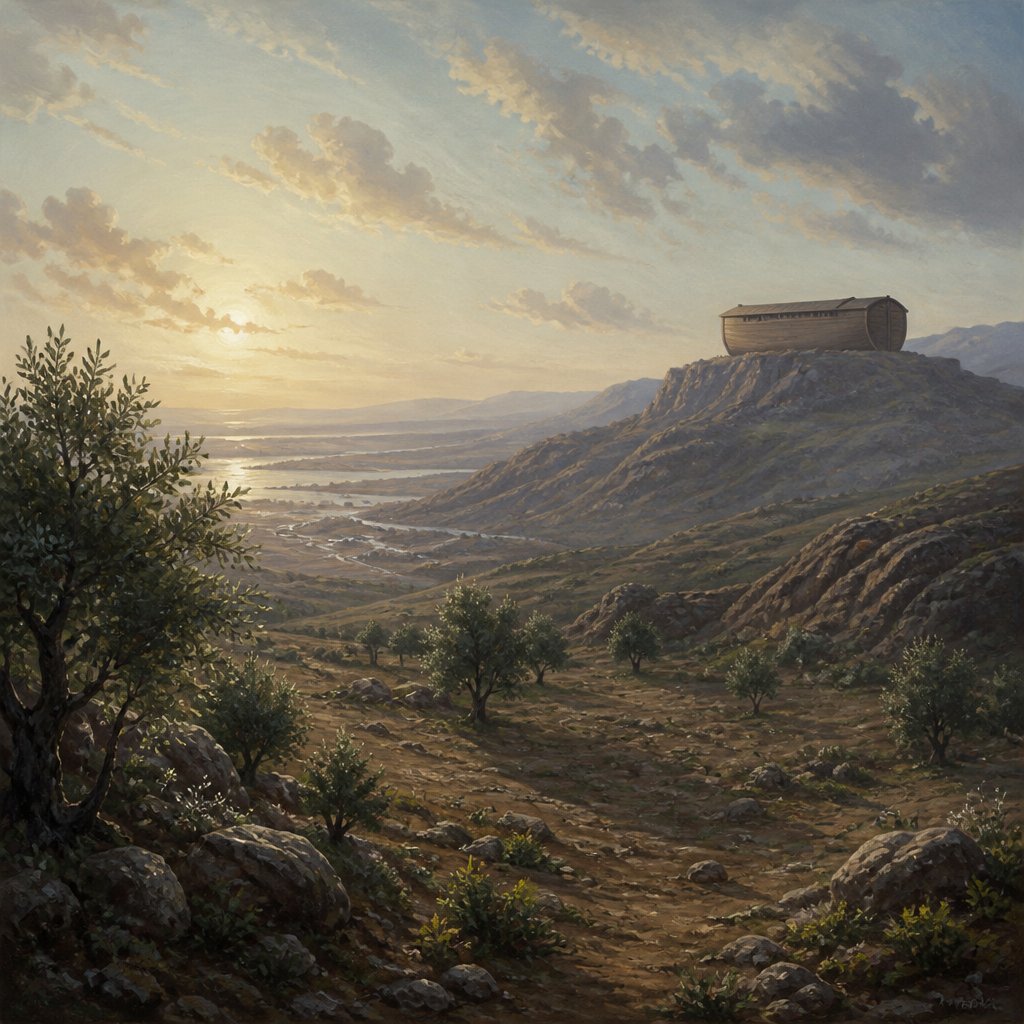
Genesis 8:14 (KJV) reads: "And in the second month, on the seven and twentieth day of the month, was the earth dried."
The verse comes from the Book of Genesis, the first book of the Bible. It occurs in the midst of the story of Noah and the Great Flood. In this story, God chooses to flood the earth in order to rid it of the corruption and wickedness that had taken hold of humanity. Before the flood, God instructs Noah to build an ark and to gather two of every kind of animal in order to preserve them and ensure the continuation of life after the floodwaters have receded.
The verse specifically mentions the second month and the twenty-seventh day of the month as the time when the earth was finally dried. This detail is significant as it marks the end of the flood and the beginning of a new chapter in the history of the world. It symbolizes the end of God's judgment and the beginning of a fresh start for humanity.
One of the key themes in this verse is the idea of redemption and renewal. The flood serves as a means of purging the earth of its corruption, allowing for a fresh start and a new beginning. The drying of the earth signifies the end of this period of cleansing and the beginning of a new era. It symbolizes God's grace and mercy in giving humanity a second chance.
Another important theme in this verse is the concept of God's faithfulness. Throughout the story of the flood, God remains faithful to His promise to protect and preserve Noah and his family. He also demonstrates his faithfulness in ensuring the continuation of life on earth by preserving the animals in the ark. The drying of the earth marks the fulfillment of God's promise to Noah that the flood would come to an end, and the earth would be restored.
The context of this verse is crucial to understanding its significance. The story of Noah and the Great Flood is one of the most well-known and influential narratives in the Bible. It serves as a potent reminder of God's judgment, His grace, and His faithfulness. The drying of the earth is a pivotal moment in the story, as it marks the end of the flood and the beginning of a new era for humanity.
The symbolism in this verse is powerful and multi-layered. The flood and the subsequent drying of the earth represent the cyclical nature of life and the world. They symbolize the ebb and flow of God's judgment and redemption, as well as the ongoing process of renewal and rebirth. The drying of the earth also serves as a potent symbol of hope and new beginnings, reminding us that even in the darkest of times, God's grace and mercy can bring about restoration and renewal.
In conclusion, Genesis 8:14 is a verse that holds deep meaning and significance within the larger context of the story of Noah and the Great Flood. It speaks to themes of redemption, renewal, and God's faithfulness, and its symbolism serves as a timeless reminder of the power of God's grace in bringing about new beginnings. It is a verse that continues to resonate with believers, offering a message of hope and restoration that transcends time and culture.
Have questions about Genesis 8:14?
Dive deeper into this scripture with Bible Chat — an AI-powered tool for exploring God's Word through conversation. Ask questions, get context, and grow in your understanding of the Bible.
Get Our Apps


Genesis 8:14 Artwork

Genesis 8:14 - "And in the second month, on the seven and twentieth day of the month, was the earth dried."
"And in the second month, on the seven and twentieth day of the month, was the earth dried." - Genesis 8:14

Genesis 14:8 - "And there went out the king of Sodom, and the king of Gomorrah, and the king of Admah, and the king of Zeboiim, and the king of Bela (the same is Zoar;) and they joined battle with them in the vale of Siddim;"

Genesis 14:8 And there went out the king of Sodom, and the king of Gomorrah, and the king of Admah, and the king of Zeboiim, and the king of Bela (the same is Zoar;) and they joined battle with them in the vale of Siddim;

Genesis 22 14

Genesis 19-14

Genesis 21:14

Genesis 15:14

Genesis 22-14

Genesis 25-14

Genesis 23-14

Genesis 24-14

Genesis 17-14

Genesis 16:14

Genesis 20-14

Genesis 28-14

Genesis 18-14

Genesis 1:6-8

Genesis 1:6-8

Genesis 25:14 - "And Mishma, and Dumah, and Massa,"

genesis 8:11

Genesis 3:8

genesis 8:11

Genesis 22-8

Genesis 8:11

genesis 8:11

Genesis 3:8

Genesis 8:11

Genesis 23-8

Genesis 3:8