The Dwelling Place of God: Understanding Divine Instructions
“Go and tell David my servant, Thus saith the LORD, Thou shalt not build me an house to dwell in:” — 1 Chronicles 17:4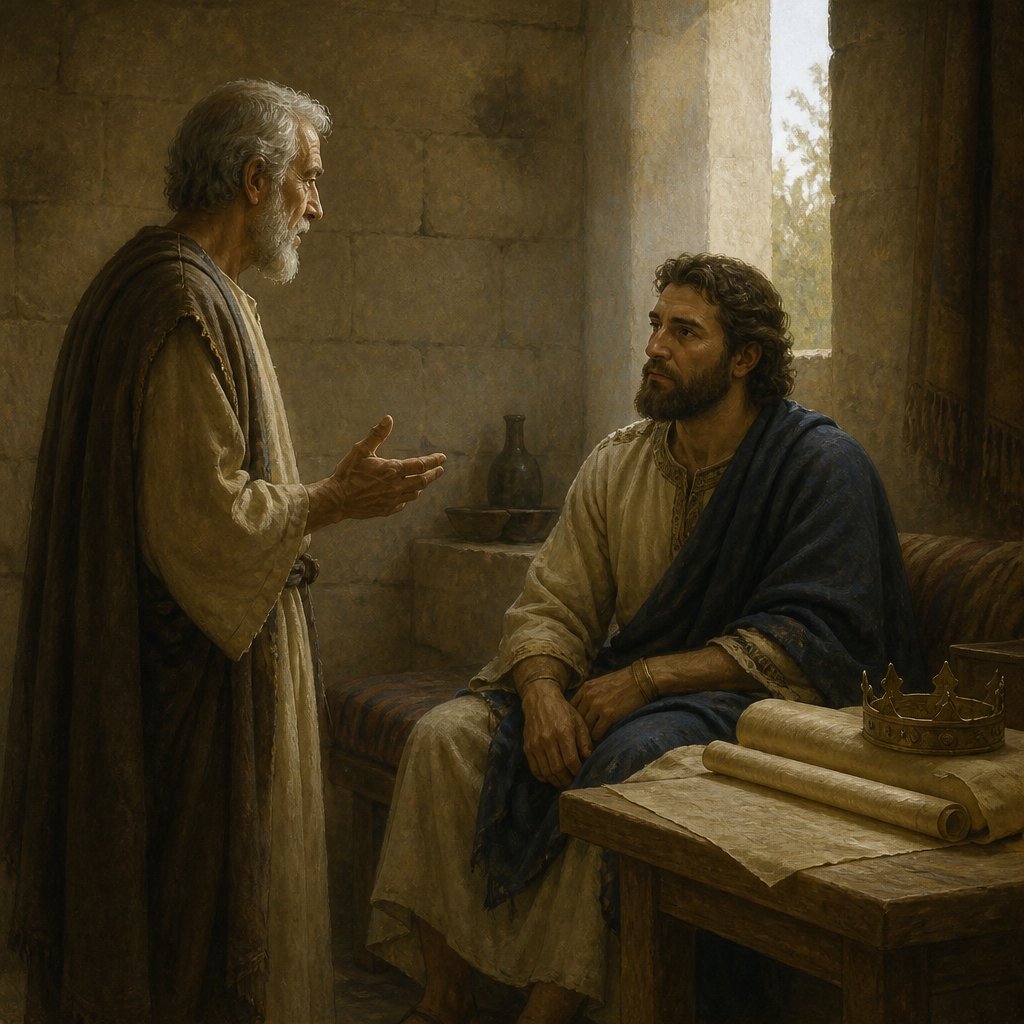
In 1 Chronicles 17:4, we find a powerful moment in the life of King David, an integral figure in the biblical narrative. The verse reads, "Go and tell David my servant, Thus saith the LORD, Thou shalt not build me an house to dwell in:" This declaration marks a pivotal point in God's relationship with David and reveals profound truths about divine purpose, obedience, and the nature of God's dwelling.
As we delve into this verse, we encounter both a personal message to David and a broader revelation regarding God's presence among His people. David, a man after God’s own heart, carried a burning desire to build a magnificent temple where the Ark of the Covenant, representing God’s dwelling, could reside permanently. This noble intention stemmed from his awareness of God's greatness and his own desire to honor Him with a house that befitted His glory. However, God's response challenges our understanding of how He chooses to relate to humanity.
The phrase "my servant" holds profound significance, revealing a relationship built on faith, loyalty, and obedience. When God calls David His servant, He acknowledges David’s heart and intentions, but He also outlines His divine will. It is important to understand that God’s refusal for David to build the temple was not a rejection of David’s faith but rather a divine plan that exceeds human understanding.
God had a purpose in denying David’s request, underscoring the truth that His plans are sovereign and often different from our aspirations. By denying David the task of building the temple, God was not dismissing the importance of the temple itself but was instead signaling that the ultimate dwelling place was to come in Christ, who would fulfill the prophetic vision of God's intimate relationship with His people.
Moreover, God’s declaration illuminates the very essence of His presence. When we think about God dwelling among us, we tend to envision a physical structure, a temple filled with ornate furnishings and rituals. However, God desires to dwell in our hearts, forging a relationship that is intimate and personal. The New Testament reveals that the true temple is not a building but the body of believers, where the Holy Spirit resides (1 Corinthians 6:19).
This brings us to a vital reflection on obedience and acceptance. Often, we may have dreams and plans that seem right and worthy, much like David’s desire to build the temple. God, however, calls us to be faithful stewards of His plans rather than insisting on our own. Sometimes, we may be steering toward a path filled with righteous intentions, only to discover that God has other plans—a different course of action.
In 2 Samuel, when God communicates His intention for David's successor—Solomon—to build the temple, it serves as a beautiful reminder that while our plans may be dashed, God’s plans are always better. David was emboldened by this calling and focused on gathering resources and preparing for the future, demonstrating that obedience isn’t merely about following orders but about aligning with God's overarching purpose.
As we reflect on this verse, we must consider what God's directive means for our lives today. Are we seeking to build our own 'temples' of one sort or another, or are we open to God's leading concerning where we serve Him? Are our hearts surrendered to His will even when it contradicts our desires? David's response shows us the way: despite initial disappointment, he ultimately accepted God's purpose and honored His plans.
In conclusion, as we meditate on 1 Chronicles 17:4, let us remember that building a dwelling place for God is not confined to brick and mortar. It is about creating space for His presence in our lives, hearts, church, and communities. May we have the faith to pursue His plans, the patience to wait for His timing, and the wisdom to recognize that His ways are far greater than our own.
Get our apps


Artwork for 1 Chronicles 17:4

1 Chronicles 17:4 - "Go and tell David my servant, Thus saith the LORD, Thou shalt not build me an house to dwell in:"
"Go and tell David my servant, Thus saith the LORD, Thou shalt not build me an house to dwell in:" - 1 Chronicles 17:4

1 Chronicles 4:17 - "And the sons of Ezra were, Jether, and Mered, and Epher, and Jalon: and she bare Miriam, and Shammai, and Ishbah the father of Eshtemoa."

2 Chronicles 17:4 - "But sought to the LORD God of his father, and walked in his commandments, and not after the doings of Israel."

2 Chronicles 4:17 - "In the plain of Jordan did the king cast them, in the clay ground between Succoth and Zeredathah."

1 Chronicles 8:17 - "And Zebadiah, and Meshullam, and Hezeki, and Heber,"

1 Chronicles 6:17 - "And these be the names of the sons of Gershom; Libni, and Shimei."

1 Chronicles 27:17 - "Of the Levites, Hashabiah the son of Kemuel: of the Aaronites, Zadok:"

1 Chronicles 3:17 - "¶ And the sons of Jeconiah; Assir, Salathiel his son,"

1 Chronicles 1:4 - "Noah, Shem, Ham, and Japheth."

1 Chronicles 24:17 - "The one and twentieth to Jachin, the two and twentieth to Gamul,"

2 Chronicles 4:22

1 Chronicles 1:17 - "¶ The sons of Shem; Elam, and Asshur, and Arphaxad, and Lud, and Aram, and Uz, and Hul, and Gether, and Meshech."

1 Chronicles 2:17 - "And Abigail bare Amasa: and the father of Amasa was Jether the Ishmeelite."

1 Chronicles 16:17 - "And hath confirmed the same to Jacob for a law, and to Israel for an everlasting covenant,"

1 Chronicles 4 : 10

1 Thessalonians 4:17

1 Chronicles 4:29 - "And at Bilhah, and at Ezem, and at Tolad,"

1 Chronicles 4:30 - "And at Bethuel, and at Hormah, and at Ziklag,"

1 Chronicles 8:4 - "And Abishua, and Naaman, and Ahoah,"

1 Chronicles 25:17 - "The tenth to Shimei, he, his sons, and his brethren, were twelve:"

1 Chronicles 4:1 - "The sons of Judah; Pharez, Hezron, and Carmi, and Hur, and Shobal."
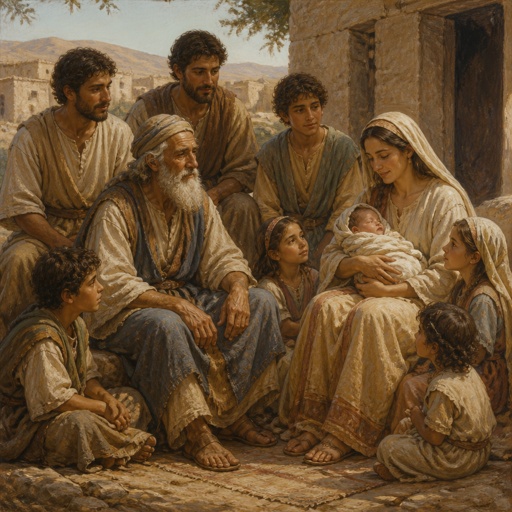
"And the sons of Ezra were, Jether, and Mered, and Epher, and Jalon: and she bare Miriam, and Shammai, and Ishbah the father of Eshtemoa." - 1 Chronicles 4:17

1 Chronicles 9:17 - "And the porters were, Shallum, and Akkub, and Talmon, and Ahiman, and their brethren: Shallum was the chief;"

1 Chronicles 17:3 - "¶ And it came to pass the same night, that the word of God came to Nathan, saying,"

1 Kings 4:17 - "Jehoshaphat the son of Paruah, in Issachar:"

1 Chronicles 17:2 - "Then Nathan said unto David, Do all that is in thine heart; for God is with thee."

1 Chronicles 17:12 - "He shall build me an house, and I will stablish his throne for ever."

2 Chronicles 17:1 - "And Jehoshaphat his son reigned in his stead, and strengthened himself against Israel."

1 Chronicles 7:17 - "And the sons of Ulam; Bedan. These were the sons of Gilead, the son of Machir, the son of Manasseh."