The Cost of Honor: Learning from Hanun’s Mistake
“Wherefore Hanun took David’s servants, and shaved them, and cut off their garments in the midst hard by their buttocks, and sent them away.” — 1 Chronicles 19:4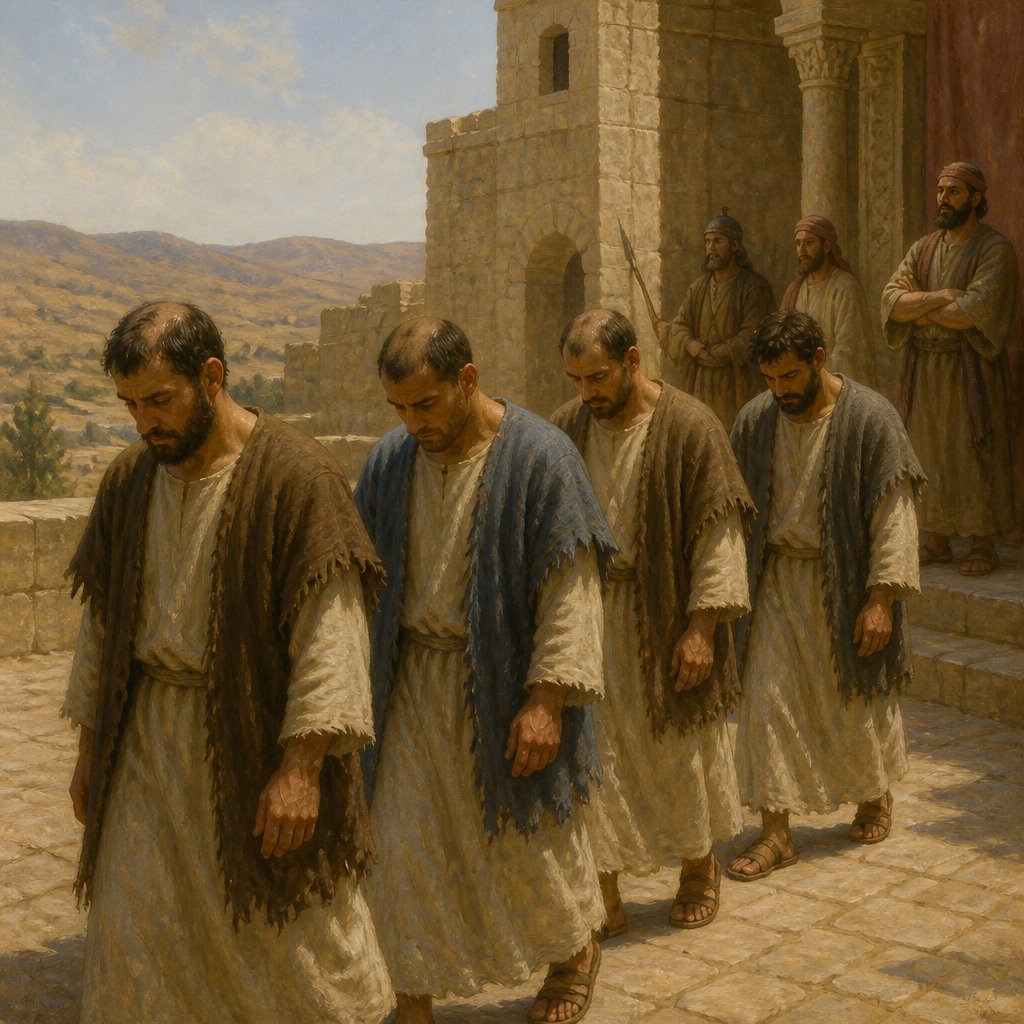
1 Chronicles 19:4 states, "Wherefore Hanun took David's servants, and shaved them, and cut off their garments in the midst hard by their buttocks, and sent them away." This verse stands out for its rawness and reflects an incident steeped in cultural nuances and personal dignity.
### Understanding the Context
To grasp the significance of this verse, we must embark on a brief journey into the backstory. King David sent ambassadors to Hanun, the new king of the Ammonites, after the death of Hanun's father, Nahash. David, in a gesture of kindness and to honor the loss of Nahash, aimed to express consolation. In Hebrew culture, this was a common practice, demonstrating respect and fostering peace.
However, Hanun’s reaction was steeped in paranoia and offense. Influenced by his advisers, who suspiciously viewed David's gesture as a ploy of espionage rather than a sincere act, Hanun misinterpreted David’s intentions. The subsequent humiliation of David’s ambassadors—shaving them and cutting off their garments—was not merely a physical attack but deeply symbolic of dishonor and shame.
### The Pain of Humiliation
To shave a man was to strip him of his dignity; in antiquity, this was a humiliating punishment, particularly in a warrior society where honor and reputation were vital. The garments, often associated with status and identity, were also forcibly removed, leaving the ambassadors exposed.
In this modern age, where our identities can often feel shrouded in the masking of social media and societal expectations, the act of being stripped of one’s identity can resonate deeply. Hanun’s choices illustrate how misinterpretation can lead to destructive actions that hurt not just others but ultimately ourselves.
When we operate from a place of suspicion and fear, we may inadvertently cause great harm. Jesus teaches in Matthew 7:12, "Therefore all things whatsoever ye would that men should do to you, do ye even so to them: for this is the law and the prophets." Hanun's decision to dishonor David's servants clearly violated this tenet of mutual respect. His actions sowed seeds of conflict and distrust that later led to war.
### Reflections on War and Peace
Even in our spiritual endeavors, the call for peace can often be misjudged. We are reminded in Matthew 5:9, "Blessed are the peacemakers: for they shall be called the children of God." Being a peacemaker means seeking understanding over judgment. Instead of portraying our neighbors or leaders as threats, we could discern God’s heart for reconciliation and grace.
### Identifying Our Own Hanun Moments
Let us consider our own lives; how often do we jump to conclusions based on incomplete information or hearsay? Our responses can, at times, reflect Hanun’s—misleading, harmful, and counter to God’s calling for peace and brotherly love. Instead of cutting off fellowship or belittling others, we should embrace open communication and the willingness to understand each other’s perspectives.
Every malicious intent we harbor can lead to destruction in ourselves and our communities. It's essential to ask ourselves, are we operating out of love or fear? Are we nurturing relationships or sending others away in shame?
### Conclusion
In our prayer life, may we seek forgiveness for the Hanun-like moments of our past when our actions led to disharmony. Let’s commit to a journey of understanding, to respond like David—one who seeks peace, not just for himself but for those who serve him. May we remember that true honor lies in lifting others, even at our own expense. Through this reflection on 1 Chronicles 19:4, we are called to a higher standard of love and peace in our walks with God and with each other. Let us strive to be ambassadors of His grace, treating others as we ourselves wish to be treated, honoring one another above ourselves.
Get our apps


Artwork for 1 Chronicles 19:4
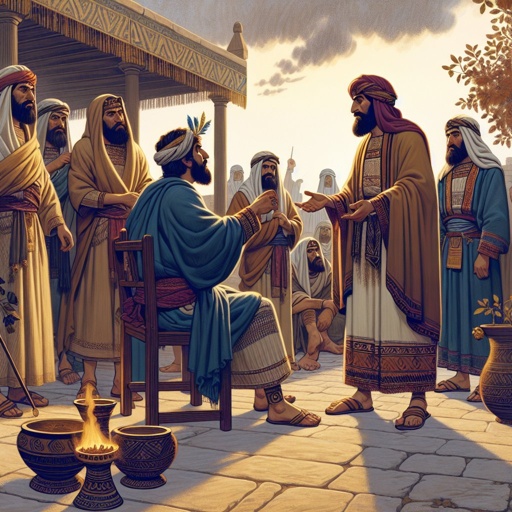
1 Chronicles 19:4 - "Wherefore Hanun took David's servants, and shaved them, and cut off their garments in the midst hard by their buttocks, and sent them away."
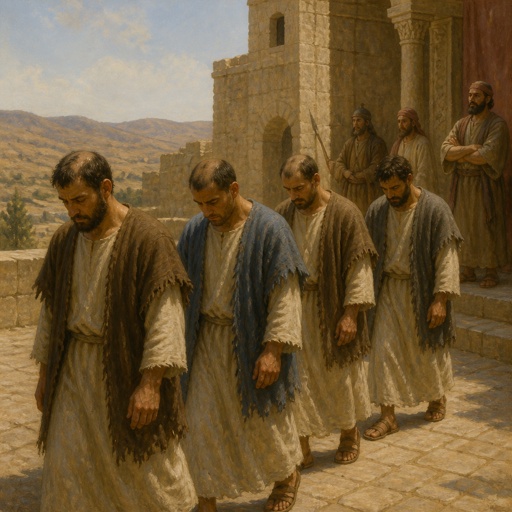
"Wherefore Hanun took David's servants, and shaved them, and cut off their garments in the midst hard by their buttocks, and sent them away." - 1 Chronicles 19:4

1 Chronicles 4:19 - "And the sons of his wife Hodiah the sister of Naham, the father of Keilah the Garmite, and Eshtemoa the Maachathite."

1 Chronicles 8:19 - "And Jakim, and Zichri, and Zabdi,"
"And the sons of his wife Hodiah the sister of Naham, the father of Keilah the Garmite, and Eshtemoa the Maachathite." - 1 Chronicles 4:19

1 Chronicles 5:19 - "And they made war with the Hagarites, with Jetur, and Nephish, and Nodab."

1 Chronicles 1:4 - "Noah, Shem, Ham, and Japheth."

Philippians 4:19

2 Chronicles 19:4 - "And Jehoshaphat dwelt at Jerusalem: and he went out again through the people from Beer-sheba to mount Ephraim, and brought them back unto the LORD God of their fathers."

2 Chronicles 4:19 - "¶ And Solomon made all the vessels that were for the house of God, the golden altar also, and the tables whereon the shewbread was set;"

1 Chronicles 16:19 - "When ye were but few, even a few, and strangers in it."

1 Chronicles 7:19 - "And the sons of Shemidah were, Ahian, and Shechem, and Likhi, and Aniam."

2 Chronicles 4:22

1 Chronicles 26:19 - "These are the divisions of the porters among the sons of Kore, and among the sons of Merari."

1 Chronicles 6:19 - "The sons of Merari; Mahli, and Mushi. And these are the families of the Levites according to their fathers."

1 Chronicles 27:19 - "Of Zebulun, Ishmaiah the son of Obadiah: of Naphtali, Jerimoth the son of Azriel:"

2 Chronicles 19:1 - "And Jehoshaphat the king of Judah returned to his house in peace to Jerusalem."

Psalm 19:3-4

1 Chronicles 4 : 10

1 Chronicles 4:29 - "And at Bilhah, and at Ezem, and at Tolad,"

1 Chronicles 4:30 - "And at Bethuel, and at Hormah, and at Ziklag,"

1 Chronicles 8:4 - "And Abishua, and Naaman, and Ahoah,"

1 Chronicles 4:1 - "The sons of Judah; Pharez, Hezron, and Carmi, and Hur, and Shobal."

1 Chronicles 25:19 - "The twelfth to Hashabiah, he, his sons, and his brethren, were twelve:"

1 Chronicles 19:1 - "Now it came to pass after this, that Nahash the king of the children of Ammon died, and his son reigned in his stead."

"And Jakim, and Zichri, and Zabdi," - 1 Chronicles 8:19

1 Chronicles 15:19 - "So the singers, Heman, Asaph, and Ethan, were appointed to sound with cymbals of brass;"

1 Chronicles 19:8 - "And when David heard of it, he sent Joab, and all the host of the mighty men."

1 Chronicles 21:19 - "And David went up at the saying of Gad, which he spake in the name of the LORD."

1 Chronicles 23:19 - "Of the sons of Hebron; Jeriah the first, Amariah the second, Jahaziel the third, and Jekameam the fourth."