The Legacy of Leadership: Learning from the Transition of Power
“And when Shaul was dead, Baal-hanan the son of Achbor reigned in his stead.” — 1 Chronicles 1:49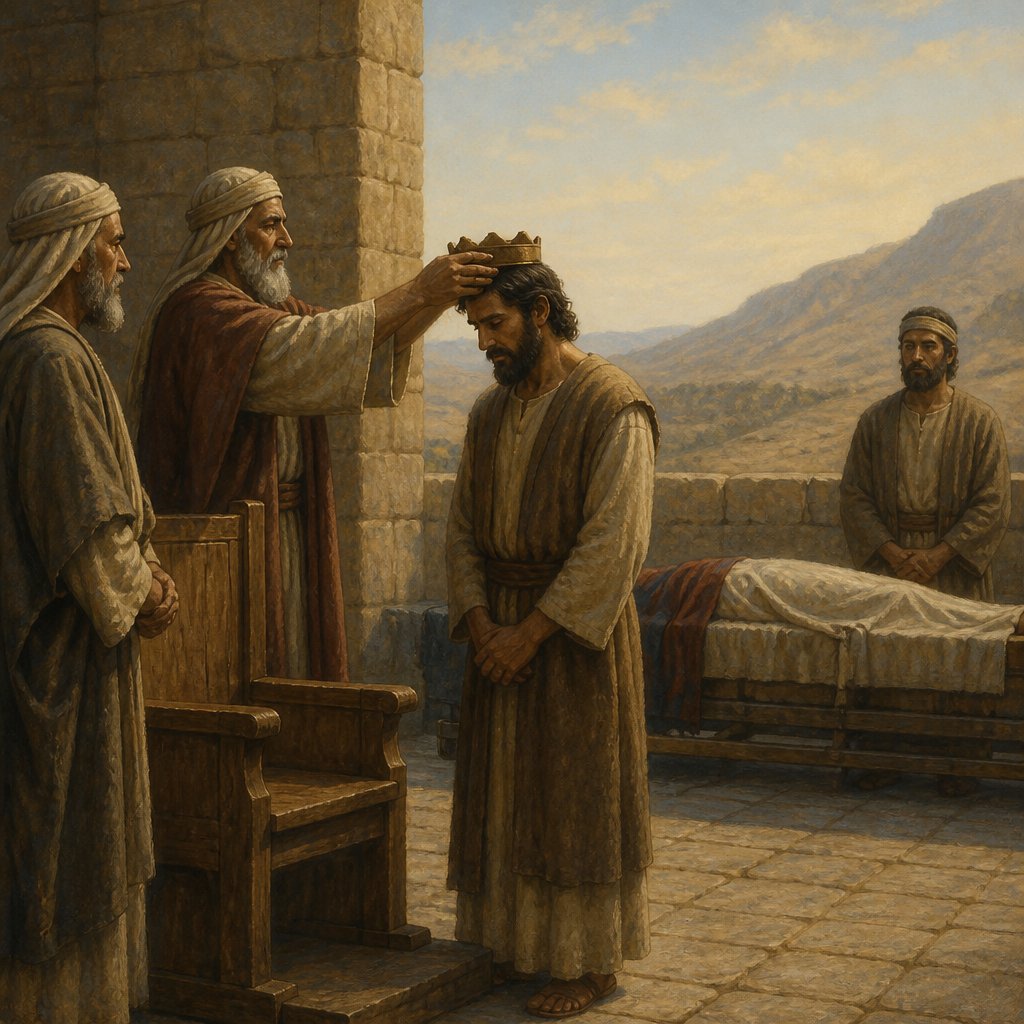
As we delve into 1 Chronicles 1:49, "And when Shaul was dead, Baal-hanan the son of Achbor reigned in his stead," it may initially appear as a mere historical footnote in the annals of biblical history. However, this verse presents a profound opportunity for reflection on leadership, legacy, and the transient nature of power.
Shaul, or Saul, was the first king of Israel, anointed by God but ultimately dysfunctional in his role due to disobedience and pride. His demise marks a significant transition, not just politically but also spiritually. Each leader leaves behind a legacy, and it is in these transitions that we can explore the deeper implications of what it means to lead. Leadership is not merely about holding a title; it is about the influence one exerts and the direction one provides to a community or nation.
Baal-hanan, whose name means "Baal has favored," takes the throne after the death of Shaul, indicating a new chapter for Israel. Shaul's failure symbolizes how earthly power is often accompanied by its own pitfalls. His story is a cautionary tale for leaders today about the weight of responsibility, integrity, and the alignment of one’s actions with God’s calling. The question arises: what kind of legacy do we create as leaders in our families, workplaces, and communities?
In a world where leadership can often be marred by self-interest and corruption, the shift from Shaul to Baal-hanan invites us to consider what is essential in our own leadership. The name Baal-hanan suggests the importance of divine favor and guidance in leadership roles. As we navigate through our own responsibilities, how often do we seek God’s guidance? Are we endeavoring to lead in ways that honor Him?
Moreover, there is a crucial lesson in the concept of succession. Leaders are to prepare those who come after them; they must groom successors who will continue their vision and values while also being aware of the shadows that their predecessors may cast. Baal-hanan's ascent reminds us that each leader builds upon the foundation laid by their predecessors. We must be vigilant in ensuring that our leadership doesn't just end on a personal note but rather contributes to a larger story of hope, faith, and continuity.
Transitions often stir uncertainty. When one leader falls, the incoming leader must navigate the legacies of what was and what could be. This invites reflection not just upon the individual who leads but upon the people being led. What kind of followers are we creating? When considering this, it highlights the relational aspects of leadership; leadership is not performed in isolation but in community. Are we fostering strong relationships rooted in accountability, grace, and encouragement?
Let’s take a moment to meditate on this verse and its implications. How does your life reflect the qualities of Baal-hanan? Are you someone who can carry forward the legacy of those who have come before, or are you ready to start a new legacy that inspires righteousness? In our own leadership—whether as parents, mentors, friends, or colleagues—let us reflect on the impact of our choices and character. We must strive to be leaders who build others up, prepare others for their roles, and acknowledge the divine favor that rightly guides our steps.
When faced with transitions in leadership—be it in our workplaces, ministries, or homes—let us commit to following the example of seeking God’s favor, ensuring that our reign (whether short or long) aligns with spiritual integrity and a mission that honors Him. Every day presents a choice to either carry forward the burdens of past mistakes or to resurrect hope and promise for the future. As we consider the legacy of kings like Shaul and Baal-hanan, may we be inspired to lead with wisdom, humility, and a heart devoted to God's purpose.
Get our apps


Artwork for 1 Chronicles 1:49
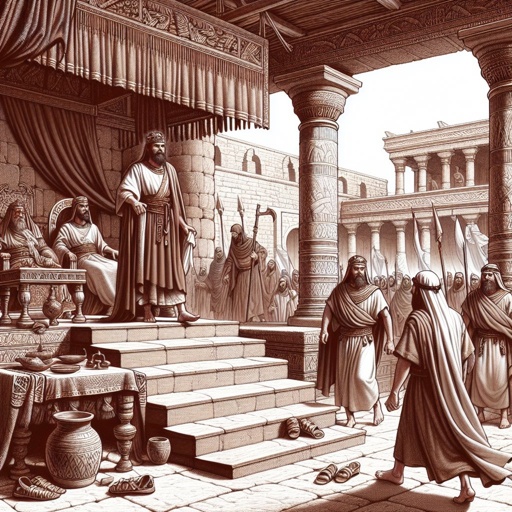
1 Chronicles 1:49 - "And when Shaul was dead, Baal-hanan the son of Achbor reigned in his stead."
"And when Shaul was dead, Baal-hanan the son of Achbor reigned in his stead." - 1 Chronicles 1:49
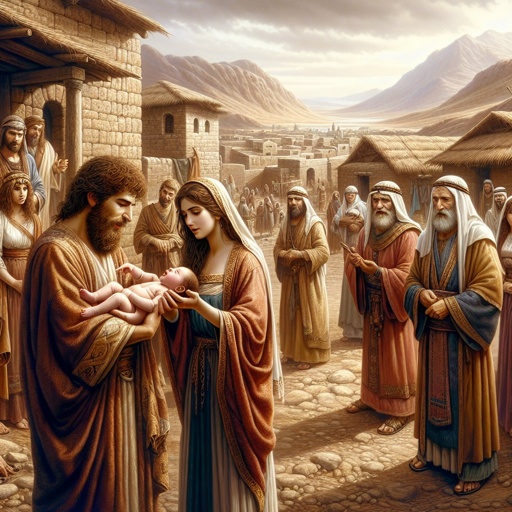
1 Chronicles 2:49 - "She bare also Shaaph the father of Madmannah, Sheva the father of Machbenah, and the father of Gibea: and the daughter of Caleb was Achsa."
Psalm 49

Genesis 49:9

Jeremiah 3:49
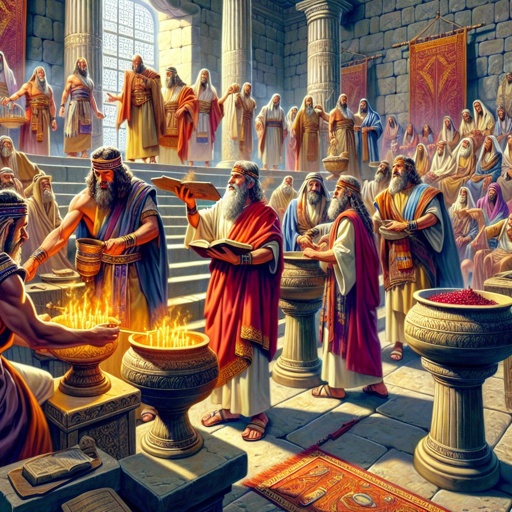
1 Chronicles 6:49 - "¶ But Aaron and his sons offered upon the altar of the burnt offering, and on the altar of incense, and were appointed for all the work of the place most holy, and to make an atonement for Israel, according to all that Moses the servant of God had commanded."

1 Samuel 17:49

Isaiah 49 1-7
1 Samuel 17:49

1 Samuel 17:49

1 Samuel 17:49

1 Samuel 17:45-49

1 Kings 1:49 - "And all the guests that were with Adonijah were afraid, and rose up, and went every man his way."
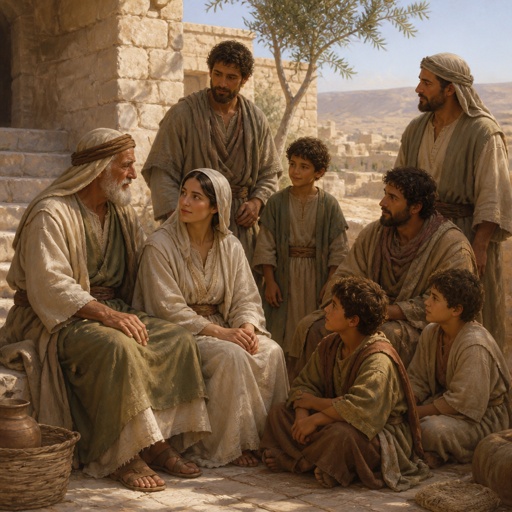
"She bare also Shaaph the father of Madmannah, Sheva the father of Machbenah, and the father of Gibea: and the daughter of Caleb was Achsa." - 1 Chronicles 2:49

1 Chronicles 1:15

1 Chronicles 1:15

Luke 1:49 - "For he that is mighty hath done to me great things; and holy is his name."

Psalms 49:1 - "Hear this, all ye people; give ear, all ye inhabitants of the world:"

1 Kings 8:49 - "Then hear thou their prayer and their supplication in heaven thy dwelling place, and maintain their cause,"

Lamentations 3:48-49 KJV Mine eye runneth down with rivers of water for the destruction of the daughter of my people. (49) Mine eye trickleth down, and ceaseth not, without any intermission,

1 Corinthians 15:49 - "And as we have borne the image of the earthy, we shall also bear the image of the heavenly."

1 Samuel 17:49 – "David reached into his bag and took out a stone; he slung it and struck the Philistine on the forehead."

1 Samuel 17:49 – "David reached into his bag and took out a stone; he slung it and struck the Philistine on the forehead."

1 Chronicles 1:1 - "Adam, Sheth, Enosh,"

Numbers 1:49 - "Only thou shalt not number the tribe of Levi, neither take the sum of them among the children of Israel:"

1 Chronicles 1:24 - "¶ Shem, Arphaxad, Shelah,"

1 Chronicles 1:3 - "Henoch, Methuselah, Lamech,"

1 Chronicles 1:2 - "Kenan, Mahalaleel, Jered,"

1 Samuel 17:49 – "David reached into his bag and took out a stone; he slung it and struck the Philistine on the forehead."