Legacy Through Loss: Lessons from Hezron's Family
“And after that Hezron was dead in Caleb-ephratah, then Abiah Hezron’s wife bare him Ashur the father of Tekoa.” — 1 Chronicles 2:24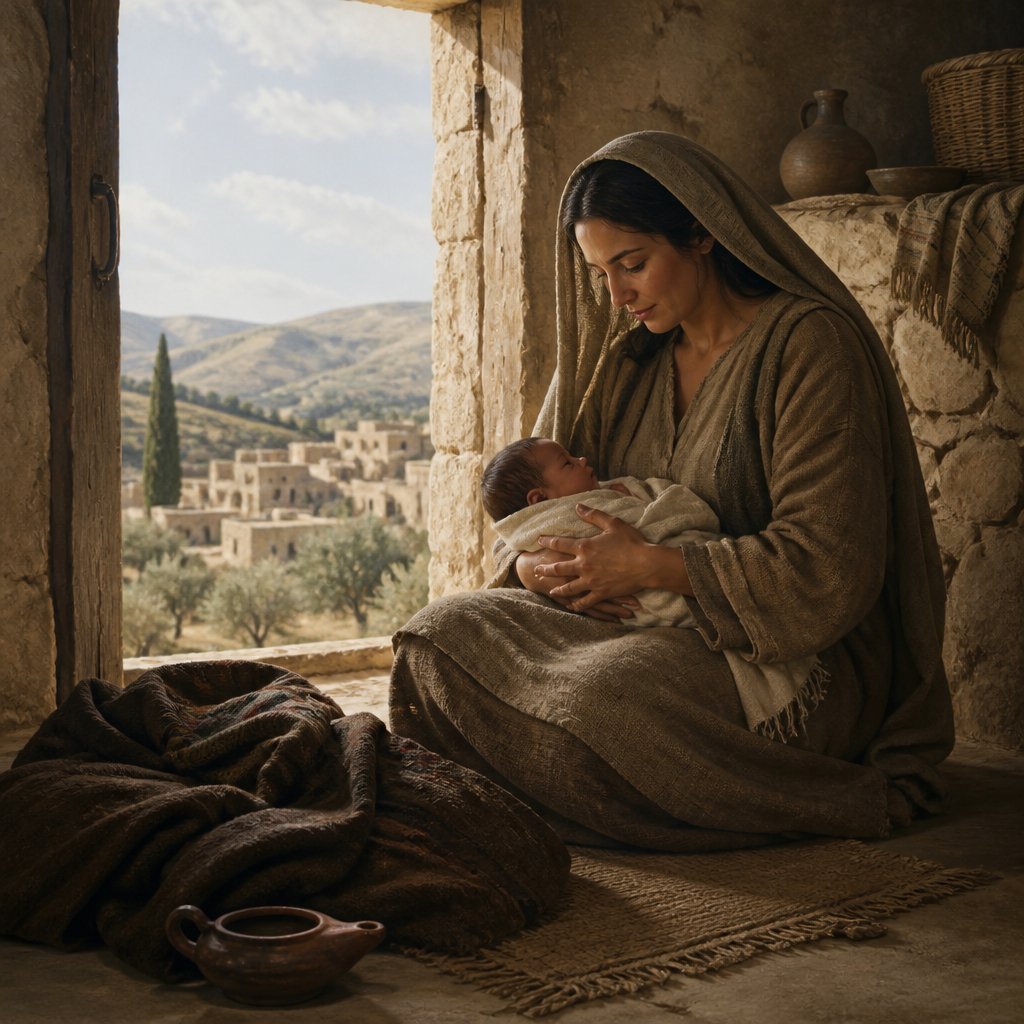
In the narrative of the genealogies found in the book of 1 Chronicles, the verse 1 Chronicles 2:24 states, "And after that Hezron was dead in Caleb-ephratah, then Abiah Hezron's wife bare him Ashur the father of Tekoa." At first glance, this verse may seem like a mere passing detail in a long list of names and lineage, but within it lies profound truths about legacy, loss, and the continuation of God's promise.
### The Significance of Hezron
Hezron was the son of Perez and a member of the tribe of Judah. His life may not be extensively documented, but his legacy is cast into the annals of Israel's history through his descendants. The genealogies in the Bible, especially in the Old Testament, are often viewed as tedious records, yet they are the backbone of God’s chosen people. They reflect God’s faithfulness and the unfolding of His redemptive plan through history.
Hezron’s death signifies more than just the end of his life; it is a crucial moment in his family's history. In the midst of grief, Abiah, Hezron's wife, was called to fulfill God’s purpose by bearing Ashur, who would become the father of Tekoa. This element of the story reminds us that even in our darkest moments, God's plans continue to unfold.
### The Blessing After Bereavement
Abiah’s experience is rich with lessons. Following the death of her husband, the birth of Ashur did not erase the pain of loss; instead, it signifies hope and a new beginning. The act of bearing a child, especially in ancient Jewish culture, was a profound blessing — a sign of future generations and the carrying on of family legacy. Abiah might have felt overwhelming grief, yet she finds strength and purpose in bringing forth Ashur, highlighting God's ability to bring life from death.
This dynamic resonates deeply with many of us in our personal lives. There have been times when we have faced loss — whether it be the death of a loved one, the ending of a significant relationship, or the loss of a job — moments that seem to render us helpless. But just as God used Abiah’s circumstance to continue His plan, we too are often called to rise from the ashes of our despair and embrace the new beginnings that God graces us with.
### Lessons in Continuation and Purpose
The genealogy of Ashur leads us to Tekoa, a town later associated with significant biblical events and figures. It serves as a reminder that every individual’s life, no matter how seemingly obscure, contributes to God’s master narrative. Our heritage, faith, and actions have ripple effects beyond what we may witness firsthand.
As we reflect on Abiah's transition from widowhood to motherhood, we are presented with the profound theme of God's faithfulness even after loss. It encourages us to view our struggles as stepping stones rather than stumbling blocks. God’s promise to us is that He will never leave us nor forsake us (Deuteronomy 31:6). Amidst the grieving process, there is a quiet assurance that He is present, transforming our wounds into testimonies.
### Embracing New Life in Christ
Lastly, as New Testament believers, we see this theme of death and new life echoed in Christ. He faced His own death, which appeared to be the end, yet it ushered in a new covenant and the promise of eternal life. Thus, we learn that in Christ, we are called to embrace both our losses and the new beginnings they may bring.
In conclusion, 1 Chronicles 2:24 serves as a profound reminder of the legacy we leave behind; it teaches us about endurance amid loss and the grace found in every new beginning. As we journey through our trials, let us hold fast to the promise that God is sovereign, drawing beauty from ashes, and inviting us to participate in His ongoing story of hope and redemption in the world.
Get our apps


Artwork for 1 Chronicles 2:24

1 Chronicles 2:24 - "And after that Hezron was dead in Caleb-ephratah, then Abiah Hezron's wife bare him Ashur the father of Tekoa."
"And after that Hezron was dead in Caleb-ephratah, then Abiah Hezron's wife bare him Ashur the father of Tekoa." - 1 Chronicles 2:24

1 Chronicles 2:4 - "And Tamar his daughter in law bare him Pharez and Zerah. All the sons of Judah were five."

1 Chronicles 24:2 - "But Nadab and Abihu died before their father, and had no children: therefore Eleazar and Ithamar executed the priest's office."
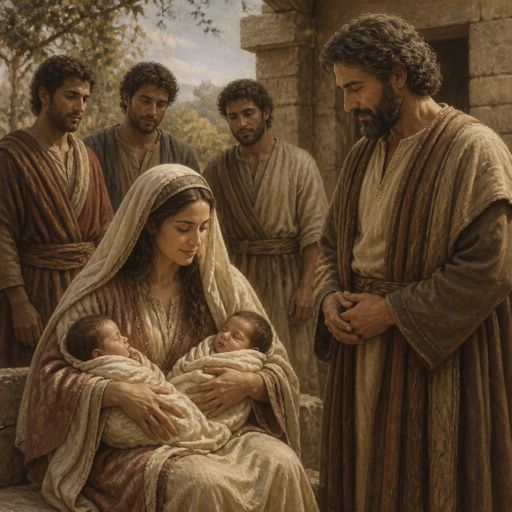
"And Tamar his daughter in law bare him Pharez and Zerah. All the sons of Judah were five." - 1 Chronicles 2:4

1 Chronicles 24:24 - "Of the sons of Uzziel; Michah: of the sons of Michah; Shamir."

1 Chronicles 1:24 - "¶ Shem, Arphaxad, Shelah,"

1 Chronicles 8:24 - "And Hananiah, and Elam, and Antothijah,"

2 Chronicles 24:1 - "Joash was seven years old when he began to reign, and he reigned forty years in Jerusalem. His mother's name also was Zibiah of Beer-sheba."

1 Chronicles 24:15 - "The seventeenth to Hezir, the eighteenth to Aphses,"

1 Chronicles 24:16 - "The nineteenth to Pethahiah, the twentieth to Jehezekel,"

1 Chronicles 24:11 - "The ninth to Jeshua, the tenth to Shecaniah,"

2 Chronicles 24:2 - "And Joash did that which was right in the sight of the LORD all the days of Jehoiada the priest."

1 Chronicles 24:14 - "The fifteenth to Bilgah, the sixteenth to Immer,"

1 Chronicles 24:9 - "The fifth to Malchijah, the sixth to Mijamin,"

1 Chronicles 24:13 - "The thirteenth to Huppah, the fourteenth to Jeshebeab,"

1 Chronicles 24:10 - "The seventh to Hakkoz, the eighth to Abijah,"

1 Chronicles 24:8 - "The third to Harim, the fourth to Seorim,"

1 Chronicles 24:12 - "The eleventh to Eliashib, the twelfth to Jakim,"

1 Chronicles 24:22 - "Of the Izharites; Shelomoth: of the sons of Shelomoth; Jahath."

1 Chronicles 24:29 - "Concerning Kish: the son of Kish was Jerahmeel."

"¶ Shem, Arphaxad, Shelah," - 1 Chronicles 1:24

1 Chronicles 24:25 - "The brother of Michah was Isshiah: of the sons of Isshiah; Zechariah."

1 Chronicles 24:18 - "The three and twentieth to Delaiah, the four and twentieth to Maaziah."

1 Chronicles 24:21 - "Concerning Rehabiah: of the sons of Rehabiah, the first was Isshiah."

1 Chronicles 24:28 - "Of Mahli came Eleazar, who had no sons."

1 Chronicles 24:17 - "The one and twentieth to Jachin, the two and twentieth to Gamul,"

1 Chronicles 24:1 - "Now these are the divisions of the sons of Aaron. The sons of Aaron; Nadab, and Abihu, Eleazar, and Ithamar."

2 Chronicles 24:4 - "¶ And it came to pass after this, that Joash was minded to repair the house of the LORD."

1 Chronicles 26:24 - "And Shebuel the son of Gershom, the son of Moses, was ruler of the treasures."