Legacy in the Shadows: The Significance of Ephah and Her Children
“And Ephah, Caleb’s concubine, bare Haran, and Moza, and Gazez: and Haran begat Gazez.” — 1 Chronicles 2:46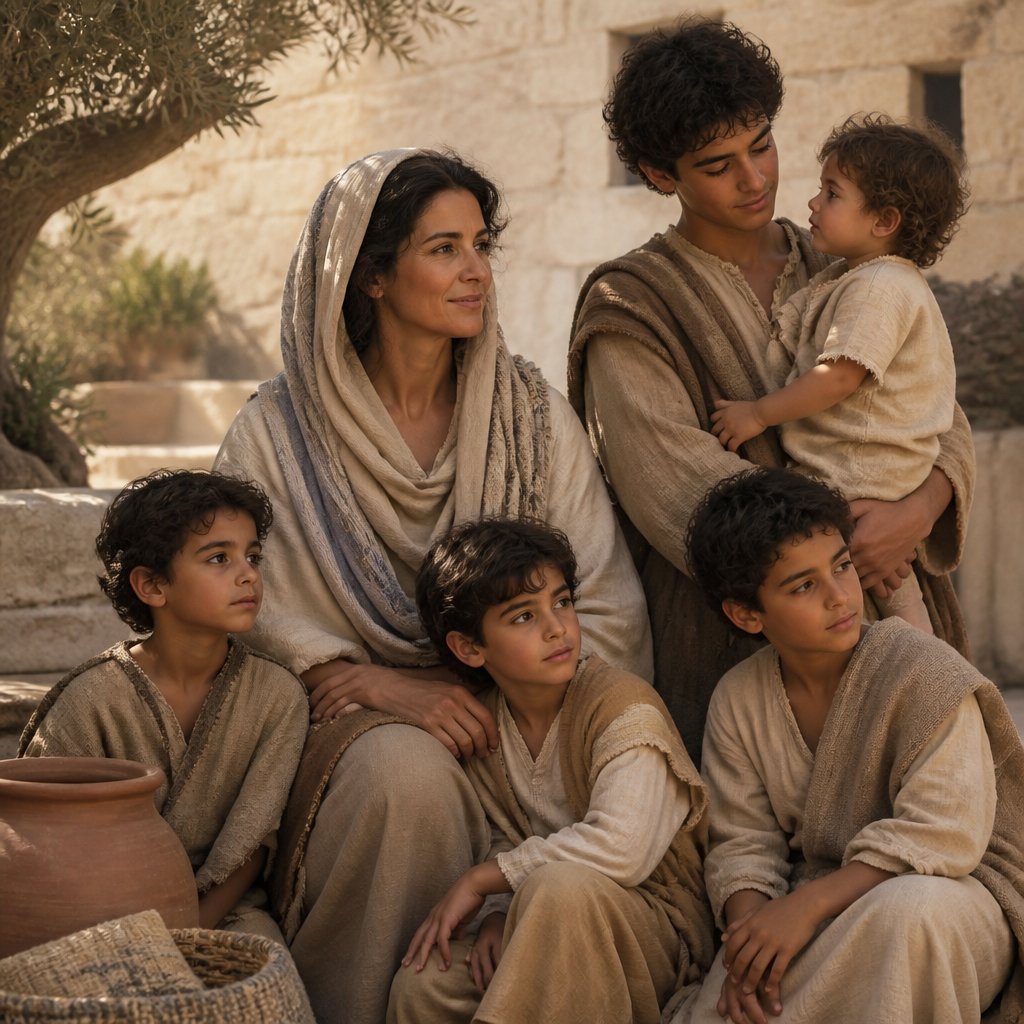
As we delve into the genealogy of the tribes of Israel found in 1 Chronicles 2:46, we come upon a relatively obscure verse that reads, "And Ephah, Caleb's concubine, bare Haran, and Moza, and Gazez: and Haran begat Gazez" (1 Chronicles 2:46, KJV). At first glance, this genealogical reference may appear to be little more than a footnote in the grand narrative of the Israelites' history, but within these lines lies a profound message about legacy, hidden contributions, and God's sovereignty in fulfilling His purposes through seemingly insignificant individuals.
Ephah, described here as Caleb's concubine, bears a name that might not echo widely through the halls of biblical fame. Yet, let us pause and reflect upon the concept of a concubine in ancient Israel—such individuals were often marginalized, their stories and contributions overlooked. This raises an immediate question: how often do we overlook those who may not carry titles of prominence in our lives, yet play vital roles in the development of our personal and communal histories? Ephah’s inclusion in the holy text demonstrates God's intentionality and acknowledgment of every person, regardless of their societal status.
Consider the children that Ephah bore: Haran, Moza, and Gazez. Each of them represents a legacy. Haran, in particular, goes on to father Gazez, continuing a line that we can trace throughout the texts—showing that even the offsprings of those considered "lesser" held importance in God's grand design. This is a reminder to us that our influence often extends beyond our immediate situations. Every action and relationship can ripple throughout generations, echoing into the future in ways we may never fully comprehend.
In our own lives, we may find ourselves in positions that feel less significant, serving in roles that seem to lack recognition or appreciation. Yet, the beauty of Ephah’s story is that she, too, contributed to the lineage of Judah—a tribe through which Christ would later come. Each life has the potential to impact future generations significantly, creating legacies of faith, hope, and service. We must ask ourselves: what legacy are we crafting, what paths are we paving, even in our apparent anonymity?
From another perspective, Ephah’s story illustrates God’s sovereignty in the midst of humanity. While she may be categorized by her relationship with Caleb, God ordained her place in history, demonstrating that no individual is too insignificant to fulfill His divine plan. This resonates with Paul’s words in Romans 8:28, where he reminds us that "And we know that all things work together for good to them that love God, to them who are the called according to His purpose" (KJV). Ephah’s role, like those of many unsung heroes in the Bible, underscores the truth that in God’s economy, every person counts.
Furthermore, we should consider how Ephah’s identity as a concubine might have shaped her experience and perspective. Perhaps she faced challenges and heartbreak that we can relate to even in our modern context. Associates and relationships can leave us feeling sidelined, yet God’s grace covers every narrative, guiding participants on paths towards purpose. In recognizing Ephah’s place in these genealogies, we acknowledge that God calls us from the sidelines into the forefront of His plan; He sees value where the world often overlooks.
As we meditate upon this verse, let us embrace the powerful messages hidden within its simplicity. Like Ephah, we may never attain worldly recognition, but we are all pivotal in the fabric of God's eternal story. Strive to live with the understanding that your life is significant, and each act of kindness, love, and faith has the power to create rippling effects beyond our comprehension. May we draw inspiration from Ephah—embracing our roles, cherishing our legacies, and recognizing the divine threads being woven through our lives, ultimately fulfilling God's grand design.
Get our apps


Artwork for 1 Chronicles 2:46

1 Chronicles 2:46 - "And Ephah, Caleb's concubine, bare Haran, and Moza, and Gazez: and Haran begat Gazez."
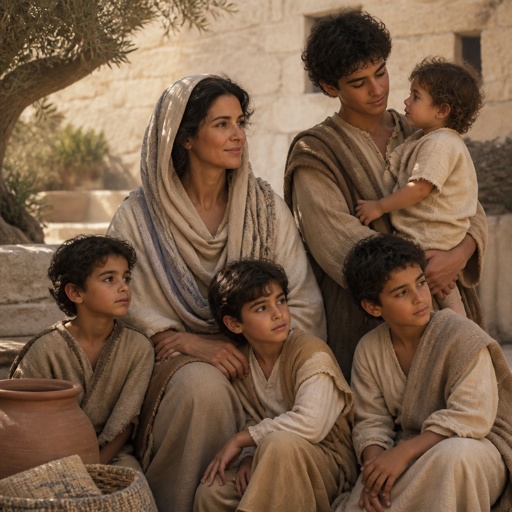
"And Ephah, Caleb's concubine, bare Haran, and Moza, and Gazez: and Haran begat Gazez." - 1 Chronicles 2:46

1 Chronicles 11:46 - "Eliel the Mahavite, and Jeribai, and Joshaviah, the sons of Elnaam, and Ithmah the Moabite,"

1 Chronicles 6:46 - "The son of Amzi, the son of Bani, the son of Shamer,"

1 Chronicles 1:46 - "And when Husham was dead, Hadad the son of Bedad, which smote Midian in the field of Moab, reigned in his stead: and the name of his city was Avith."
"The son of Amzi, the son of Bani, the son of Shamer," - 1 Chronicles 6:46
"Eliel the Mahavite, and Jeribai, and Joshaviah, the sons of Elnaam, and Ithmah the Moabite," - 1 Chronicles 11:46

1 Chronicles 2:48 - "Maachah, Caleb's concubine, bare Sheber, and Tirhanah."

1 Kings 2:46 - "So the king commanded Benaiah the son of Jehoiada; which went out, and fell upon him, that he died. And the kingdom was established in the hand of Solomon."

1 Chronicles 2:8 - "And the sons of Ethan; Azariah."

1 Chronicles 2:38 - "And Obed begat Jehu, and Jehu begat Azariah,"

1 Chronicles 2:41 - "And Shallum begat Jekamiah, and Jekamiah begat Elishama."

1 Chronicles 2:36 - "And Attai begat Nathan, and Nathan begat Zabad,"

1 Chronicles 2:11 - "And Nahshon begat Salma, and Salma begat Boaz,"

1 Chronicles 2:39 - "And Azariah begat Helez, and Helez begat Eleasah,"

1 Chronicles 2:15 - "Ozem the sixth, David the seventh:"

1 Chronicles 2:14 - "Nethaneel the fourth, Raddai the fifth,"

Psalm 46:1-2 - "God is our refuge and strength, an ever-present help in trouble. Therefore we will not fear, though the earth give way and the mountains fall into the heart of the sea."

1 Chronicles 2:5 - "The sons of Pharez; Hezron, and Hamul."

Luk 2:46-49

1 Chronicles 1:2 - "Kenan, Mahalaleel, Jered,"

1 Chronicles 2:2 - "Dan, Joseph, and Benjamin, Naphtali, Gad, and Asher."

1 Chronicles 2:20 - "And Hur begat Uri, and Uri begat Bezaleel."

1 Chronicles 2:40 - "And Eleasah begat Sisamai, and Sisamai begat Shallum,"

1 Chronicles 2:37 - "And Zabad begat Ephlal, and Ephlal begat Obed,"

1 Chronicles 2:12 - "And Boaz begat Obed, and Obed begat Jesse,"

"And the sons of Ethan; Azariah." - 1 Chronicles 2:8

"Nethaneel the fourth, Raddai the fifth," - 1 Chronicles 2:14

"The sons of Pharez; Hezron, and Hamul." - 1 Chronicles 2:5

"Ozem the sixth, David the seventh:" - 1 Chronicles 2:15