The Honor in Sorrow: Embracing the Legacy of Jabez
“And Jabez was more honourable than his brethren: and his mother called his name Jabez, saying, Because I bare him with sorrow.” — 1 Chronicles 4:9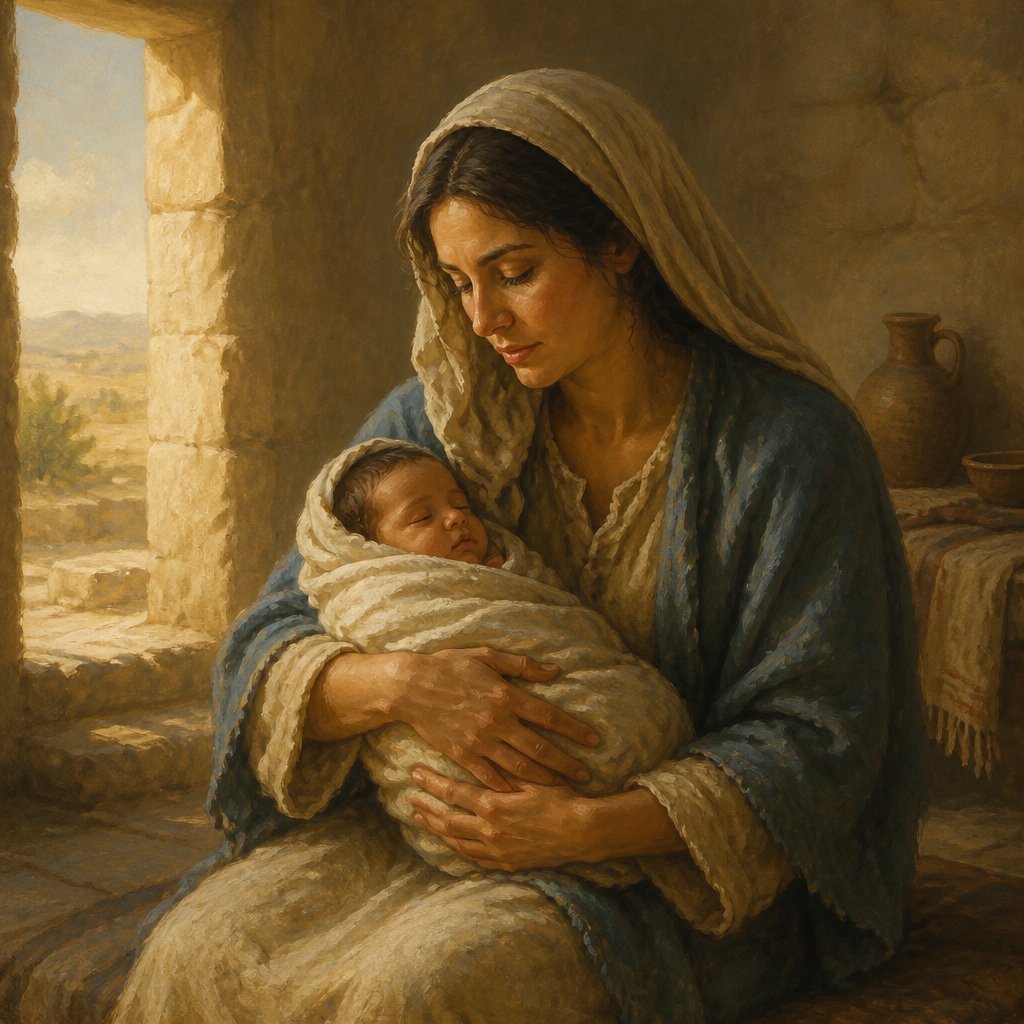
In the book of 1 Chronicles 4:9, we encounter a poignant character named Jabez, whose story is wrapped in a brief but powerful statement: "And Jabez was more honourable than his brethren: and his mother called his name Jabez, saying, Because I bare him with sorrow."
At first glance, Jabez may appear as a mere footnote in the genealogical records of Israel, yet his name, meaning "sorrow," and the context in which it was given, reveal a profound depth of character and faith. Here, we see a man whose very identity was shaped by the pain of his mother during childbirth. In the ancient world, names held significant meaning, often reflecting circumstances surrounding one's birth or aspirations for the individual. Jabez's mother, through the moniker of sorrow, inadvertently set the stage for Jabez's life path.
Jabez's journey prompts us to ponder the aspects of our own identities. Like him, many of us carry names or legacies that evoke pain, sorrow, or disappointment. Perhaps we are defined by our family histories, broken relationships, failures, or even the harsh words spoken to us by those we thought we could trust. However, Jabez did not allow his name or the circumstances of his birth to dictate his destiny. Instead, he would rise above the sorrow of his beginnings to become an honourable man, reflecting a life of God-honoring choices and prayers.
This verse places a significant emphasis on Jabez’s honor in comparison to his brethren. Honor in the biblical sense often reflects a person’s character and integrity rather than merely their social standing or wealth. In a world filled with superficial accolades, Jabez stands out as a beacon of integrity and respect. His honour was not self-proclaimed; it was recognized by the Lord and perhaps also by those around him. His actions and character were worthy of distinction, thereby illustrating that honour comes from how one lives, not from the circumstances of one's birth.
Furthermore, Jabez did not allow sorrow to imprison him but instead sought out the divine for help and guidance. The subsequent verses (1 Chronicles 4:10) reveal Jabez’s earnest prayer, where he cried out to God for blessing, expansion of territory, divine presence, and protection from evil. Herein lies an essential lesson for us: the acknowledgment of our limitations, flaws, and sorrows should not silence our voices in prayer; rather, they should propel us into a deeper relationship with God.
Jabez’s prayer reflects a desire not just for personal gain but for a life that magnifies God’s glory. His request for God’s hand to be upon him signifies a request for guidance and strength to walk righteously amidst adversity. This aspect of Jabez’s character encourages us in our prayer lives. Rather than being consumed by sorrow or fear, we are called to bring our pain before God, seeking His intervention and unyielding protection.
Moreover, Jabez’s life shows that our situations do not determine our futures. God can take our pain, sorrow, and brokenness and use them for His glory if we invite Him into our circumstances. Today, as we reflect on Jabez's legacy, let us examine our lives in light of his example. Are we allowing past sorrows to define our present actions? Are our prayers filled with expectations of God’s goodness? Are we living honorably, fighting against the tides of our circumstances?
Let us learn from Jabez, the man named for sorrow who rose above his name, turned to God in faith, and embraced the destiny the Almighty had for him. May we, too, find honor in our journeys, regardless of the sorrows that haunt us, and may our lives resonate with the true essence of honor by seeking God above all else.
Get our apps


Artwork for 1 Chronicles 4:9

1 Chronicles 4:9 - "¶ And Jabez was more honourable than his brethren: and his mother called his name Jabez, saying, Because I bare him with sorrow."

1 Chronicles 4:9-10 - "Now Jabez was more honorable than his brothers, and his mother called his name Jabez, saying, 'Because I bore him in pain.' And Jabez called on the God of Israel saying, 'Oh, that You would bless me indeed, and enlarge my territory, that Your hand would be with me, and that You would keep me from evil, that I may not cause pain!' So God granted him what he requested."
"¶ And Jabez was more honourable than his brethren: and his mother called his name Jabez, saying, Because I bare him with sorrow." - 1 Chronicles 4:9
![1 Chronicles 4:9-10
[9]And Jabez was more honourable than his brethren: and his mother called his name Jabez, saying, Because I bare him with sorrow.
[10]And Jabez called on the God of Israel, saying, Oh that thou wouldest bless me indeed, and enlarge my coast, and that thine hand might be with me, and that thou wouldest keep me from evil, that it may not grieve me! And God granted him that which he requested.](https://media.bible.art/7ad6cb21-c75d-4fa2-b08f-1231ae7e83c2-thumbnail.jpg)
1 Chronicles 4:9-10 [9]And Jabez was more honourable than his brethren: and his mother called his name Jabez, saying, Because I bare him with sorrow. [10]And Jabez called on the God of Israel, saying, Oh that thou wouldest bless me indeed, and enlarge my coast, and that thine hand might be with me, and that thou wouldest keep me from evil, that it may not grieve me! And God granted him that which he requested.

"Now Jabez was more honorable than his brothers, and his mother called his name Jabez, saying, 'Because I bore him in pain.' And Jabez called on the God of Israel saying, 'Oh, that You would bless me indeed, and enlarge my territory, that Your hand would be with me, and that You would keep me from evil, that I may not cause pain!' So God granted him what he requested." - 1 Chronicles 4:9-10

1 Chronicles 9:4 - "Uthai the son of Ammihud, the son of Omri, the son of Imri, the son of Bani, of the children of Pharez the son of Judah."

1 Chronicles 4 : 10

2 Chronicles 4:9 - "¶ Furthermore he made the court of the priests, and the great court, and doors for the court, and overlaid the doors of them with brass."

1 Chronicles 1:4 - "Noah, Shem, Ham, and Japheth."

1 Chronicles 9:37 - "And Gedor, and Ahio, and Zechariah, and Mikloth."

1 Chronicles 9:10 - "¶ And of the priests; Jedaiah, and Jehoiarib, and Jachin,"

1 Chronicles 24:9 - "The fifth to Malchijah, the sixth to Mijamin,"

2 Chronicles 4:22

1 Chronicles 9:5 - "And of the Shilonites; Asaiah the firstborn, and his sons."

1 Chronicles 4:29 - "And at Bilhah, and at Ezem, and at Tolad,"

1 Chronicles 4:30 - "And at Bethuel, and at Hormah, and at Ziklag,"

1 Chronicles 8:4 - "And Abishua, and Naaman, and Ahoah,"

1 Chronicles 4:1 - "The sons of Judah; Pharez, Hezron, and Carmi, and Hur, and Shobal."

1 Chronicles 6:9 - "And Ahimaaz begat Azariah, and Azariah begat Johanan,"

1 Chronicles 9:30 - "And some of the sons of the priests made the ointment of the spices."

1 Chronicles 12:9 - "Ezer the first, Obadiah the second, Eliab the third,"

1 Chronicles 14:9 - "And the Philistines came and spread themselves in the valley of Rephaim."
"Uthai the son of Ammihud, the son of Omri, the son of Imri, the son of Bani, of the children of Pharez the son of Judah." - 1 Chronicles 9:4

1 Chronicles 1:9 - "And the sons of Cush; Seba, and Havilah, and Sabta, and Raamah, and Sabtecha. And the sons of Raamah; Sheba, and Dedan."

1 Chronicles 26:9 - "And Meshelemiah had sons and brethren, strong men, eighteen."

1 Chronicles 21:9 - "¶ And the LORD spake unto Gad, David's seer, saying,"

1 Chronicles 9:41 - "And the sons of Micah were, Pithon, and Melech, and Tahrea, and Ahaz."

1 Chronicles 9:9 - "And their brethren, according to their generations, nine hundred and fifty and six. All these men were chief of the fathers in the house of their fathers."

1 Chronicles 4:34 - "And Meshobab, and Jamlech, and Joshah the son of Amaziah,"

1 Chronicles 9:6 - "And of the sons of Zerah; Jeuel, and their brethren, six hundred and ninety."