Cities of Refuge: Finding Safety in God’s Promises
“And they gave unto them, of the cities of refuge, Shechem in mount Ephraim with her suburbs; they gave also Gezer with her suburbs,” — 1 Chronicles 6:67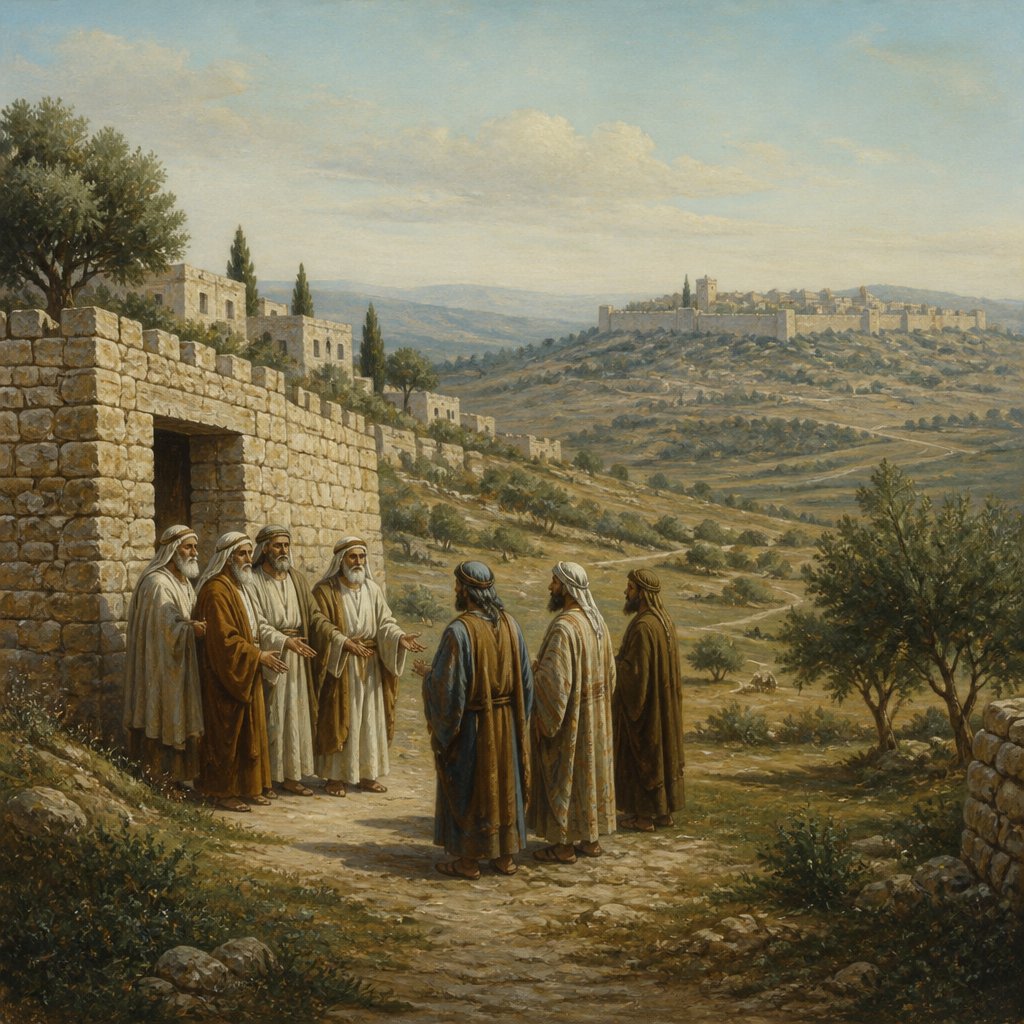
The passage from 1 Chronicles 6:67 states, "And they gave unto them, of the cities of refuge, Shechem in mount Ephraim with her suburbs; they gave also Gezer with her suburbs." This verse, set against the backdrop of Israel’s inheritance of the land, encapsulates a profound layer of God's provisions, protection, and care. To understand the significance of this verse fully, we delve into the concept of cities of refuge and the deeper spiritual truths they represent.
Cities of refuge were established as a divine provision in the Mosaic law (Numbers 35:9-34), functioning as safe havens for individuals who had committed unintentional manslaughter, allowing them to escape the avenger of blood until a fair trial could be conducted. This reflects God's understanding of human frailty and the need for mercy. By establishing these cities, God demonstrated His desire for justice tempered with grace. The offer of refuge in times of trouble is a recurring theme throughout Scripture and is manifested most fully in Jesus Christ, our ultimate refuge.
Shechem, perched in the mountainous region of Ephraim, holds considerable historical and spiritual significance. It was the center of Israel’s early history, a site of covenant renewal, where Joshua gathered the tribes to remember God's faithfulness (Joshua 24). The city served not only as a refuge but also as a reminder of the covenantal relationship between God and His people. Similarly, in our lives, places of refuge remind us of God's promises and our covenant with Him.
When we look at God’s provision of Shechem and Gezer, we see how He strategically placed these cities to serve the needs of His people. Gezer, a city further west, also among the cities of refuge, illustrates that God’s design for safety and refuge is expansive, inviting all who seek Him to come and find safety. Just as these cities geographically provided safety from worldly dangers, God invites us into His presence—our sanctuary and fortress (Psalm 91:2).
In our modern context, we too require places of refuge. Life often confronts us with challenges that can lead to feelings of despair, loss, and uncertainty. Sin and its repercussions may chase us relentlessly, but God offers us His Son as our refuge. Hebrews 6:18 reminds us that we might have a strong consolation, who have fled for refuge to lay hold upon the hope set before us. When we run to Jesus, we access an everlasting sanctuary where we can lay down our burdens and fears.
Moreover, the mention of "her suburbs" in verse 67 highlights the accessibility of these cities. In ancient times, suburbs would be areas surrounding the city, often meant as places of agricultural expansiveness and communal living. This indicates that there was room not only for refuge but also for growth and community. God’s grace is not limited to merely offering safety but extends to growth and abundance. Just as the suburbs indicated a place of care, connection, and community, God calls us to not only be part of His refuge but also to invite others into that same caring presence.
As we ruminate on this verse, we are called to reflect on how often we seek refuge in worldly things—relationships, careers, or material possessions—instead of turning to God, who is always ready to provide a safe haven. In Christ, we find the ultimate city of refuge, where our sins are washed away, and we are freed from the guilt that the law imposes.
In closing, let us meditate on our role as citizens of this heavenly refuge. Just as the cities of refuge in ancient Israel provided a place of safety and community, we are encouraged to be a refuge for others, sharing the hope we have in Christ. In doing so, we fulfill our calling as ambassadors of Christ, extending His grace, mercy, and love to a world desperately in need of a safe haven. May we continually run to Him, find solace in His presence, and help others discover this remarkable refuge available to all.
Get our apps


Artwork for 1 Chronicles 6:67

1 Chronicles 6:67 - "And they gave unto them, of the cities of refuge, Shechem in mount Ephraim with her suburbs; they gave also Gezer with her suburbs,"
"And they gave unto them, of the cities of refuge, Shechem in mount Ephraim with her suburbs; they gave also Gezer with her suburbs," - 1 Chronicles 6:67

1 Chronicles 6:7 - "Meraioth begat Amariah, and Amariah begat Ahitub,"
"Meraioth begat Amariah, and Amariah begat Ahitub," - 1 Chronicles 6:7

John 6:67 - "Then said Jesus unto the twelve, Will ye also go away?"
Ephisians 67 Forrest

Psalms 67:6 - "Then shall the earth yield her increase; and God, even our own God, shall bless us."

Luke 1:67 - "And his father Zacharias was filled with the Holy Ghost, and prophesied, saying,"

Psalms 67:1 - "God be merciful unto us, and bless us; and cause his face to shine upon us; Selah."
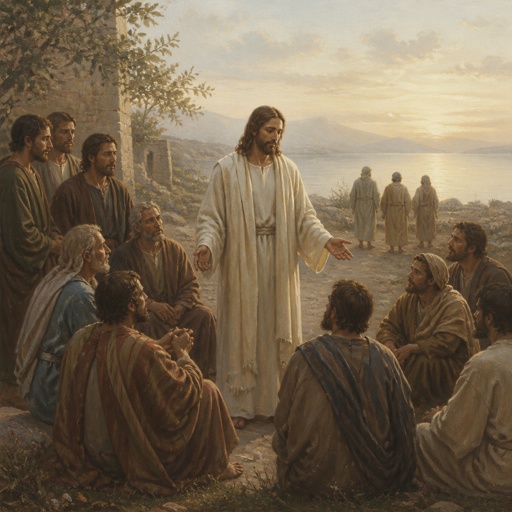
"Then said Jesus unto the twelve, Will ye also go away?" - John 6:67
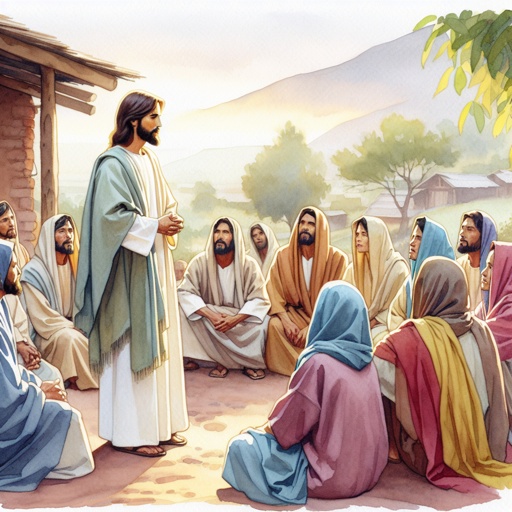
Jesus said to the Twelve, ‘What about you, do you want to go away too?’ (Jn 6:67)

1 Chronicles 6:6 - "And Uzzi begat Zerahiah, and Zerahiah begat Meraioth,"

1 Chronicles 1:6 - "And the sons of Gomer; Ashchenaz, and Riphath, and Togarmah."

1 Chronicles 6:1 - "The sons of Levi; Gershon, Kohath, and Merari."

Genesis 24-67

1 Chronicles 14:6 - "And Nogah, and Nepheg, and Japhia,"
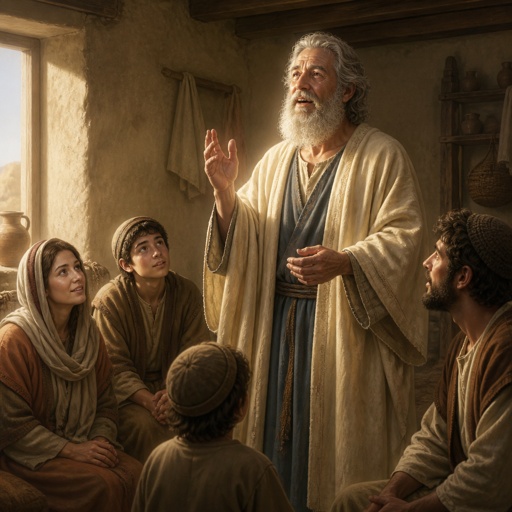
"And his father Zacharias was filled with the Holy Ghost, and prophesied, saying," - Luke 1:67

1 Chronicles 3:6 - "Ibhar also, and Elishama, and Eliphelet,"

1 Chronicles 6:25 - "And the sons of Elkanah; Amasai, and Ahimoth."

Psalm 67:1 (KJVA) 1 To the chief Musician on Neginoth, A Psalm or Song. God be merciful unto us, and bless us; and cause his face to shine upon us; Selah.

1 Chronicles 6:16 - "¶ The sons of Levi; Gershom, Kohath, and Merari."

1 Chronicles 6:17 - "And these be the names of the sons of Gershom; Libni, and Shimei."

"Then shall the earth yield her increase; and God, even our own God, shall bless us." - Psalms 67:6

1 Chronicles 6:28 - "And the sons of Samuel; the firstborn Vashni, and Abiah."

1 Chronicles 6:58 - "And Hilen with her suburbs, Debir with her suburbs,"

1 Chronicles 6:12 - "And Ahitub begat Zadok, and Zadok begat Shallum,"

1 Chronicles 6:45 - "The son of Hashabiah, the son of Amaziah, the son of Hilkiah,"

1 Chronicles 6:11 - "And Azariah begat Amariah, and Amariah begat Ahitub,"

1 Chronicles 6:14 - "And Azariah begat Seraiah, and Seraiah begat Jehozadak,"

1 Chronicles 7:6 - "¶ The sons of Benjamin; Bela, and Becher, and Jediael, three."