The Legacy of Naphtali: Understanding Our Roots
“The sons of Naphtali; Jahziel, and Guni, and Jezer, and Shallum, the sons of Bilhah.” — 1 Chronicles 7:13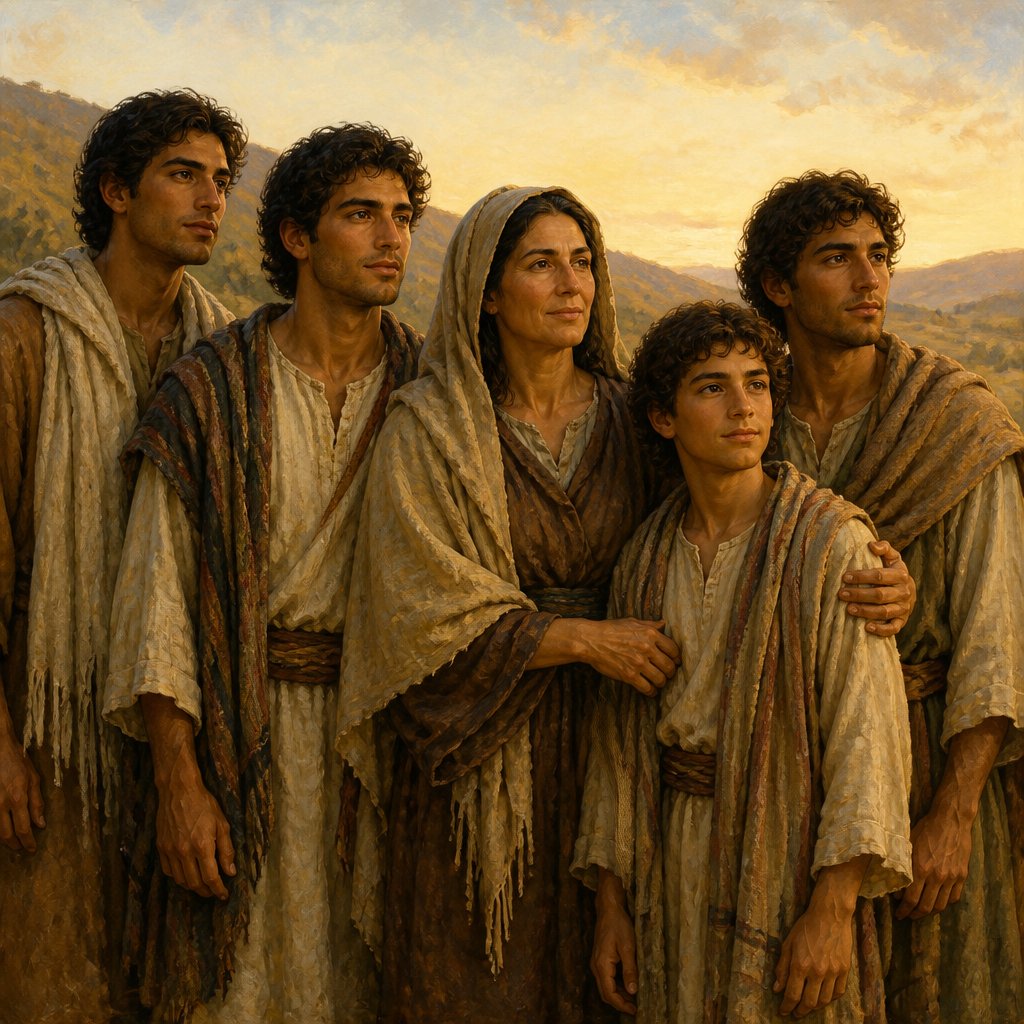
The genealogy presented in 1 Chronicles 7:13 reads, "The sons of Naphtali; Jahziel, and Guni, and Jezer, and Shallum, the sons of Bilhah." At first glance, this verse may seem like a simple listing of names, a passage easily skipped when reading through Scripture. However, embedded within these names lies a rich tapestry of history, identity, and divine purpose that merits deeper reflection.
Understanding the biblical context of names is an essential part of our study of Scripture. Within ancient Hebrew culture, a name was not merely a label; it carried weight, meaning, and often prophetic significance. Each name in our passage represents more than just a person; they are symbolic of traits and a legacy that can inform our understanding of faith today.
1. **The Importance of Legacy**: The act of naming in biblical lineage is significant. Naphtali, whose name means "my wrestlings" (Genesis 30:8), was the second son of Jacob and Bilhah. His life was marked by struggle, yet from him came a lineage that bears testament to the faith of his family. The sons mentioned—Jahziel, Guni, Jezer, and Shallum—each represent the continuation of this legacy. We too are products of a rich heritage, whether good or bad. Just as Naphtali's sons contributed to the identity of their tribe, our actions and faith influence those around us, particularly the generations that follow.
2. **Wrestling with Identity and Purpose**: The name Naphtali means to wrestle, and it echoes the struggles that many of us face as we navigate our spiritual lives. We often wrestle with our identities, our faith, and our calling. The names Jahziel (meaning "God's harvest"), Guni ("my partridge"), Jezer ("to help"), and Shallum ("peace") can serve as a reminder that even amid our struggles, God has sowed seeds of purpose within us. Each of us has a calling, a unique contribution to make to the kingdom of God. Reflecting on the meanings of their names invites us to consider what God has planted within us during our own wrestlings with life.
3. **Understanding Family and Community**: The context of family in the Bible pushes us toward reflection on our relationships. In the lineage of Naphtali, we see a strong bond within families and tribes that emphasize community support and collective identity. In our modern age, where individualism often takes precedence, the reminder of our familial bonds—including our spiritual family—is crucial. Paul writes in Galatians 6:2, “Bear ye one another's burdens, and so fulfill the law of Christ.” Our families, both biological and spiritual, are meant to uplift, encourage, and challenge us in our faith journey.
4. **Embracing Our Story**: As we meditate on the names of Naphtali’s sons, let us also consider our own stories—our struggles, triumphs, and legacies. Each name carries with it a story and a divine appointment. We should embrace our past, learn from it, and use it as a foundation for the future. Understanding our roots only enhances our ability to share our faith with those around us.
5. **Legacy of Faith**: Finally, as we study these names, we reflect on what kind of legacy we will leave behind. What story will your name tell? In a world that often glorifies transient fame, let us work diligently to create a lasting impact through our faith and actions. Just as the sons of Naphtali are remembered in Scripture, so can our acts of love and faithfulness resonate through history.
In closing, let the reading of 1 Chronicles 7:13 serve as a constant reminder that our lives are woven together with those who came before us and those who will follow. Amidst the mundane, God is crafting a narrative rich with significance, standing ready to use our lives for His glory and to extend his kingdom. May we honor our heritage and embrace the call to leave a legacy of faith, hope, and love.
Get our apps


Artwork for 1 Chronicles 7:13

1 Chronicles 7:13 - "¶ The sons of Naphtali; Jahziel, and Guni, and Jezer, and Shallum, the sons of Bilhah."
"¶ The sons of Naphtali; Jahziel, and Guni, and Jezer, and Shallum, the sons of Bilhah." - 1 Chronicles 7:13

1 Chronicles 13:7 - "And they carried the ark of God in a new cart out of the house of Abinadab: and Uzza and Ahio drave the cart."

1 Chronicles 1:13 - "And Canaan begat Zidon his firstborn, and Heth,"

1 Chronicles 13:1 - "And David consulted with the captains of thousands and hundreds, and with every leader."
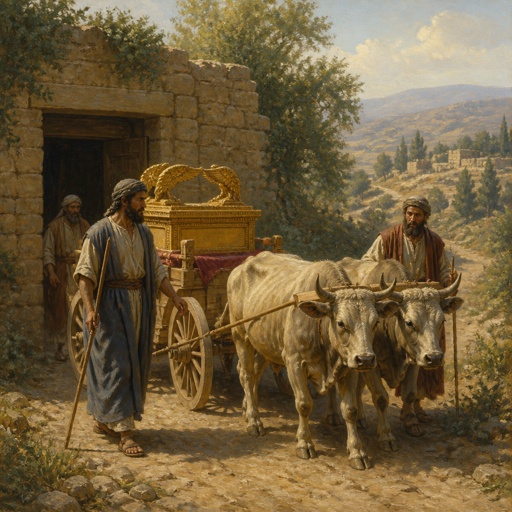
"And they carried the ark of God in a new cart out of the house of Abinadab: and Uzza and Ahio drave the cart." - 1 Chronicles 13:7

1 Chronicles 24:13 - "The thirteenth to Huppah, the fourteenth to Jeshebeab,"

1 Chronicles 12:13 - "Jeremiah the tenth, Machbanai the eleventh."

2 Chronicles 7:13 - "If I shut up heaven that there be no rain, or if I command the locusts to devour the land, or if I send pestilence among my people;"

1 Chronicles 1:7 - "And the sons of Javan; Elishah, and Tarshish, Kittim, and Dodanim."

1 Chronicles 14:7 - "And Elishama, and Beeliada, and Eliphalet."

1 Chronicles 3:7 - "And Nogah, and Nepheg, and Japhia,"

1 Chronicles 7:27 - "Non his son, Jehoshua his son."

1 Chronicles 23:7 - "¶ Of the Gershonites were, Laadan, and Shimei."

1 Chronicles 6:13 - "And Shallum begat Hilkiah, and Hilkiah begat Azariah,"

1 Chronicles 13:13 - "So David brought not the ark home to himself to the city of David, but carried it aside into the house of Obed-edom the Gittite."

1 Chronicles 7:39 - "And the sons of Ulla; Arah, and Haniel, and Rezia."

1 Chronicles 7:38 - "And the sons of Jether; Jephunneh, and Pispah, and Ara."

1 Chronicles 12:7 - "And Joelah, and Zebadiah, the sons of Jeroham of Gedor."

1 Chronicles 7:1 - "Now the sons of Issachar were, Tola, and Puah, Jashub, and Shimron, four."

1 Chronicles 4:13 - "And the sons of Kenaz; Othniel, and Seraiah: and the sons of Othniel; Hathath."

1 Chronicles 14:13 - "And the Philistines yet again spread themselves abroad in the valley."

1 Chronicles 7:18 - "And his sister Hammoleketh bare Ishod, and Abiezer, and Mahalah."

1 Chronicles 7:6 - "¶ The sons of Benjamin; Bela, and Becher, and Jediael, three."

1 Chronicles 4:7 - "And the sons of Helah were, Zereth, and Jezoar, and Ethnan."

1 Chronicles 7:34 - "And the sons of Shamer; Ahi, and Rohgah, Jehubbah, and Aram."

1 Chronicles 6:7 - "Meraioth begat Amariah, and Amariah begat Ahitub,"

1 Chronicles 7:26 - "Laadan his son, Ammihud his son, Elishama his son,"

1 Chronicles 7:37 - "Bezer, and Hod, and Shamma, and Shilshah, and Ithran, and Beera."

"Non his son, Jehoshua his son." - 1 Chronicles 7:27