The Legacy of Faith: Lessons from the Sons of Ulla
“And the sons of Ulla; Arah, and Haniel, and Rezia.” — 1 Chronicles 7:39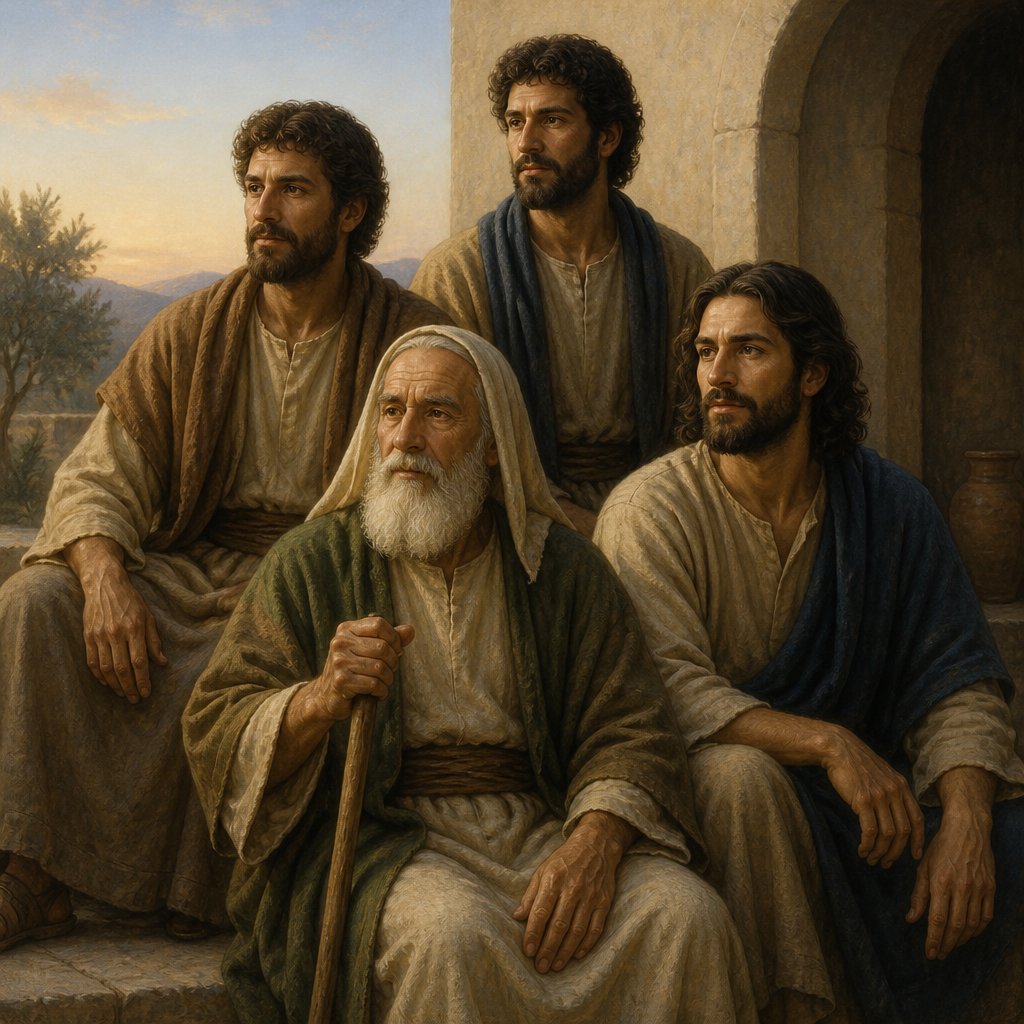
In the tapestry of Biblical genealogies, sometimes we stumble across verses that appear to be mere listings of names, such as 1 Chronicles 7:39: "And the sons of Ulla; Arah, and Haniel, and Rezia." At first glance, this verse may seem unremarkable or even tedious in its presentation of generations past, but upon deeper reflection, we can uncover profound lessons regarding legacy, faith, and God’s sovereign plan.
To appreciate the weight of this single verse, it is essential to understand its context. The Book of Chronicles serves to trace the lineage of the Israelites, emphasizing not just the biological connections, but the spiritual heritage that lays the foundation for a people chosen by God. Ulla, as a descendant of Ephraim, represents a segment of Israel's history during the times of their possession of the Promised Land, where the seed of faith was nurtured and grew into a great nation.
The sons of Ulla—Arah, Haniel, and Rezia—while perhaps overshadowed by the more prominent Biblical figures, have a story worth exploring. Each name carries a significance that transcends mere genealogy. Names in the Bible frequently hold meanings; they reflect characteristics, roles, or even prophetic destinies. Arah, meaning 'the traveler' or 'the wanderer,' can symbolize the journey of faith itself—the constant movement away from sin towards righteousness. In Hebrews 11:13, we are reminded that those who walked by faith recognized themselves as "strangers and pilgrims on the earth.” Arah embodies our Christian calling to trust the Lord, regardless of how far or difficult the journey becomes.
Then we have Haniel, which means 'grace of God' or 'gift of God.' This name resonates with the foundation of our faith. Ephesians 2:8 states that we are saved by grace through faith, and this is a gift from God—not of works, lest any man should boast. The presence of Haniel in Ulla's lineage serves as a reminder that every step we take in our walk with God is both a testament to His grace and an invitation to remain ever grateful. As we acknowledge the gifts He has given us, particularly the gift of salvation, we are encouraged to share this grace with others, fostering a community rooted in love and support.
Finally, Rezia, which means 'my companion' or 'my friend,' signifies the importance of relationships in our faith journey. Throughout Scripture, we see that God intends for us to live in community. As iron sharpens iron (Proverbs 27:17), friendships are fundamental in shaping our spiritual growth. Rezia can remind us to value and invest in our relationships with fellow believers. We are not called to walk this faith journey alone, but rather to lean on one another for encouragement, accountability, and support.
In a broader sense, what does the listing of these names signify for us today? Each name brings forth a legacy, reminding us that our lives are not isolated but interconnected within God’s grand narrative. Just as Ulla’s sons marked a moment in history for the people of Israel, our actions today impact future generations. Our choices, faith, and how we engage with others set the tone for what is to come.
As we reflect on the sons of Ulla, let us consider our own legacies. Are we embodying the qualities represented in their names—trusting God through our journey, recognizing His grace, and building meaningful relationships? Knowing that our lives are woven into the greater fabric of God’s plan encourages us to live with purpose.
In conclusion, while 1 Chronicles 7:39 may seem like a mere footnote in the grand story of Scripture, it offers rich insights about who we are in Christ. Let us hold fast to these lessons, creating a legacy marked by faith, grace, and deep connections with one another—just as the sons of Ulla did.
Get our apps


Artwork for 1 Chronicles 7:39

1 Chronicles 7:39 - "And the sons of Ulla; Arah, and Haniel, and Rezia."

"And the sons of Ulla; Arah, and Haniel, and Rezia." - 1 Chronicles 7:39

1 Chronicles 1:39 - "And the sons of Lotan; Hori, and Homam: and Timna was Lotan's sister."

1 Chronicles 2:39 - "And Azariah begat Helez, and Helez begat Eleasah,"

1 Chronicles 11:39 - "Zelek the Ammonite, Naharai the Berothite, the armourbearer of Joab the son of Zeruiah,"

1 Chronicles 12:39 - "And there they were with David three days, eating and drinking: for their brethren had prepared for them."

1 Chronicles 16:39 - "And Zadok the priest, and his brethren the priests, before the tabernacle of the LORD in the high place that was at Gibeon,"

1 Chronicles 4:39 - "¶ And they went to the entrance of Gedor, even unto the east side of the valley, to seek pasture for their flocks."

1 Chronicles 8:39 - "And the sons of Eshek his brother were, Ulam his firstborn, Jehush the second, and Eliphelet the third."

"And the sons of Lotan; Hori, and Homam: and Timna was Lotan's sister." - 1 Chronicles 1:39

1 Chronicles 6:39 - "And his brother Asaph, who stood on his right hand, even Asaph the son of Berachiah, the son of Shimea,"

1 Chronicles 9:39 - "And Ner begat Kish; and Kish begat Saul; and Saul begat Jonathan, and Malchi-shua, and Abinadab, and Esh-baal."

"And Azariah begat Helez, and Helez begat Eleasah," - 1 Chronicles 2:39

John 7:37-39

John 7:37-39

"Zelek the Ammonite, Naharai the Berothite, the armourbearer of Joab the son of Zeruiah," - 1 Chronicles 11:39

1 Chronicles 1:7 - "And the sons of Javan; Elishah, and Tarshish, Kittim, and Dodanim."

1 Kings 22:39 - "Now the rest of the acts of Ahab, and all that he did, and the ivory house which he made, and all the cities that he built, are they not written in the book of the chronicles of the kings of Israel?"

1 Corinthians 7:39 - "The wife is bound by the law as long as her husband liveth; but if her husband be dead, she is at liberty to be married to whom she will; only in the Lord."

1 Chronicles 14:7 - "And Elishama, and Beeliada, and Eliphalet."

1 Chronicles 3:7 - "And Nogah, and Nepheg, and Japhia,"

1 Chronicles 7:27 - "Non his son, Jehoshua his son."

1 Chronicles 23:7 - "¶ Of the Gershonites were, Laadan, and Shimei."
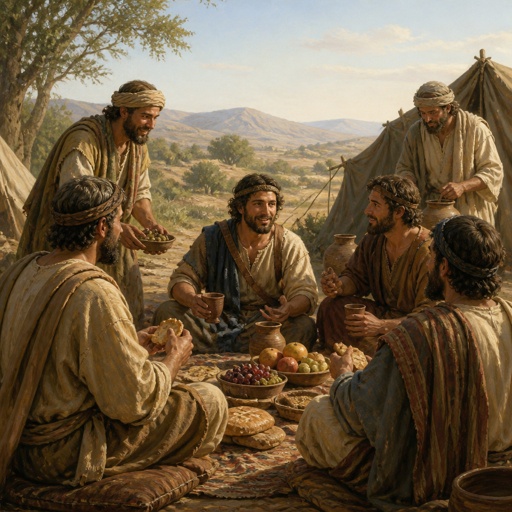
"And there they were with David three days, eating and drinking: for their brethren had prepared for them." - 1 Chronicles 12:39

1 Chronicles 7:38 - "And the sons of Jether; Jephunneh, and Pispah, and Ara."

1 Chronicles 12:7 - "And Joelah, and Zebadiah, the sons of Jeroham of Gedor."

1 Chronicles 7:1 - "Now the sons of Issachar were, Tola, and Puah, Jashub, and Shimron, four."

1 Chronicles 7:18 - "And his sister Hammoleketh bare Ishod, and Abiezer, and Mahalah."

1 Chronicles 7:6 - "¶ The sons of Benjamin; Bela, and Becher, and Jediael, three."

1 Chronicles 7:34 - "And the sons of Shamer; Ahi, and Rohgah, Jehubbah, and Aram."