Overcoming Obstacles: The Legacy of Beriah and Shema
“Beriah also, and Shema, who were heads of the fathers of the inhabitants of Aijalon, who drove away the inhabitants of Gath:” — 1 Chronicles 8:13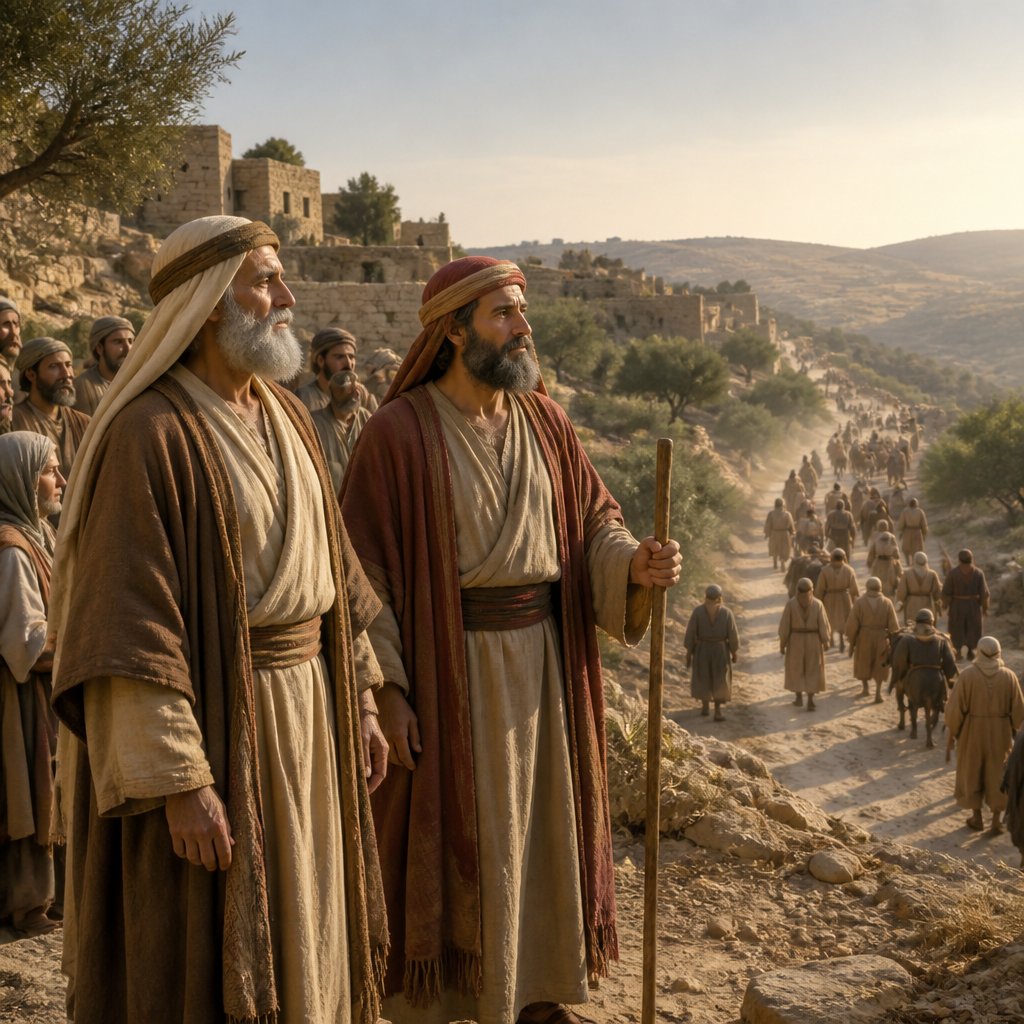
In the annals of biblical history, we often find names that hold much more than just a title or lineage; they embody faith, resilience, and the power of God’s guidance. Among these names is Beriah and Shema, as recorded in 1 Chronicles 8:13: "Beriah also, and Shema, who were heads of the fathers of the inhabitants of Aijalon, who drove away the inhabitants of Gath." This short verse carries profound significance that invites us into a deeper understanding of leadership, divine purpose, and community action.
To set the context, 1 Chronicles is a record of genealogies and histories, tracing the lineage of Israel and highlighting the importance of family and heritage in the unfolding story of God’s people. Beriah and Shema are presented as pivotal figures among the families of Aijalon. They were not merely passive spectators of their time; they were leaders who took decisive action against the people of Gath who had settled in their territory. The inhabitants of Gath were likely seen as adversaries, imposing themselves on the rightful heritage of the Israelites.
Theirs was a legacy of courage. When faced with threats to their homes and families, Beriah and Shema did not shy away; instead, they rose to the occasion and took leadership roles. They remind us that God calls us to be voices of truth and action in our communities. How often do we find ourselves in situations where threats to our faith or way of life arise? Whether these threats are external—like cultural pressures or societal fears—or internal, like doubts and anxieties, the example of Beriah and Shema urges us to take a stand.
Their effort to drive away the inhabitants of Gath wasn’t merely a physical battle; it symbolizes the spiritual battles that we are called to face. Ephesians 6:12 reminds us: "For we wrestle not against flesh and blood, but against principalities, against powers, against the rulers of the darkness of this world, against spiritual wickedness in high places." Like Beriah and Shema, we must realize that there are battles we must fight—not in spite of our faith, but because of it. Our call to action is deeply rooted in our understanding of God’s sovereignty and the purpose that He places upon our lives.
Moreover, Beriah and Shema were heads of families, which emphasizes the significance of generational leadership. They not only led their contemporaries but also set a precedent for future generations. This aspect of their identity challenges us to reflect on the legacies we are creating. Are we leading our families with conviction, faith, and courage? In the face of adversities, do we model dependency on God? As parents, mentors, or role models, we have a divine responsibility to instill the values of faith and resilience in those who come after us.
Additionally, Aijalon represents a place of refuge and community. Together, Beriah and Shema fostered a spirit of collective resistance against the challenges surrounding them. In our journey as believers, community is vital. We are not designed to face our battles alone; we need one another’s support, prayers, and encouragement. This verse invites us to reflect on how we contribute to our spiritual communities. Are we rallying together, driving away the doubts and discouragement that threaten the fabric of our faith?
Finally, we can appreciate the greater narrative that God is weaving through these simple names. The Israelites’ history, marked by challenge and triumph, points to a God who empowers His people to reclaim their identity, their heritage, and their territory. As we meditate on Beriah and Shema’s bravery, let us commit ourselves to being leaders in our communities, relentless in the face of our adversities, and faithful to the legacy of faith that God calls us to establish and maintain. May we echo their courage as we drive away the Gath of our lives, claiming the abundant living that God promises us.
Get our apps


Artwork for 1 Chronicles 8:13

1 Chronicles 8:13 - "Beriah also, and Shema, who were heads of the fathers of the inhabitants of Aijalon, who drove away the inhabitants of Gath:"
"Beriah also, and Shema, who were heads of the fathers of the inhabitants of Aijalon, who drove away the inhabitants of Gath:" - 1 Chronicles 8:13

1 Chronicles 13:8 - "And David and all Israel played before God with all their might, and with singing, and with harps, and with psalteries, and with timbrels, and with cymbals, and with trumpets."

1 Chronicles 1:13 - "And Canaan begat Zidon his firstborn, and Heth,"

1 Chronicles 1:8 - "¶ The sons of Ham; Cush, and Mizraim, Put, and Canaan."

1 Chronicles 13:1 - "And David consulted with the captains of thousands and hundreds, and with every leader."

1 Chronicles 8:31 - "And Gedor, and Ahio, and Zacher."

1 Chronicles 8:20 - "And Elienai, and Zilthai, and Eliel,"

1 Chronicles 8:19 - "And Jakim, and Zichri, and Zabdi,"

1 Chronicles 8:24 - "And Hananiah, and Elam, and Antothijah,"

1 chronicles 12:8

1 Chronicles 24:13 - "The thirteenth to Huppah, the fourteenth to Jeshebeab,"

1 Chronicles 12:13 - "Jeremiah the tenth, Machbanai the eleventh."

1 Chronicles 8:2 - "Nohah the fourth, and Rapha the fifth."

1 Chronicles 8:26 - "And Shamsherai, and Shehariah, and Athaliah,"

1 Chronicles 8:5 - "And Gera, and Shephuphan, and Huram."

1 Chronicles 8:22 - "And Ishpan, and Heber, and Eliel,"

1 Chronicles 2:8 - "And the sons of Ethan; Azariah."

1 Chronicles 8:14 - "And Ahio, Shashak, and Jeremoth,"

1 Chronicles 8:23 - "And Abdon, and Zichri, and Hanan,"

1 Chronicles 8:4 - "And Abishua, and Naaman, and Ahoah,"

1 Chronicles 8:15 - "And Zebadiah, and Arad, and Ader,"

2 Kings 13:8 - "¶ Now the rest of the acts of Jehoahaz, and all that he did, and his might, are they not written in the book of the chronicles of the kings of Israel?"

Matthew 13:8

Romans 13:8

Romans 13:8

Luke 8:13

Luke 8:13

Luke 8:13

1 Chronicles 3:8 - "And Elishama, and Eliada, and Eliphelet, nine."