The Divine Order of Creation: Understanding Paul’s Teaching on Hair and Honor
“Doth not even nature itself teach you, that, if a man have long hair, it is a shame unto him?” — 1 Corinthians 11:14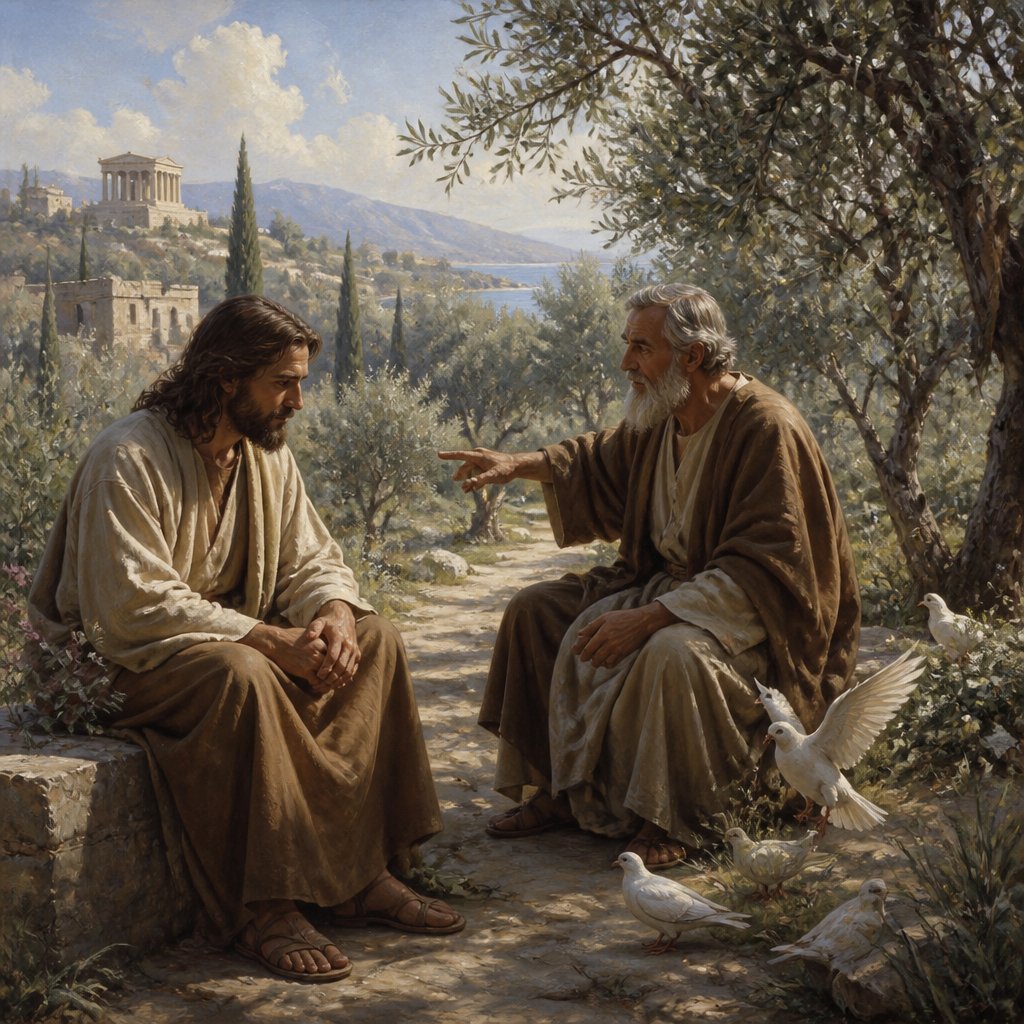
In 1 Corinthians 11:14, the Apostle Paul observes, "Doth not even nature itself teach you, that, if a man have long hair, it is a shame unto him?" This verse, nestled within a broader discourse on the principles of headship and submission in the context of worship, calls for careful reflection on the created order and the implications of our choices regarding outward appearance and cultural norms.
To understand Paul's message, we must first consider the cultural context of Corinth. This bustling city was a melting pot of ideas, customs, and religious practices. The early church faced challenges as believers navigated the expectations of society while adhering to the teachings of Christ. Paul’s address regarding hair not only speaks to the issue of male and female roles but also highlights deeper truths about respect, honor, and the guidelines of God’s design for creation.
Paul refers to nature as a teacher; this implies an intrinsic knowledge that aligns with God’s created order. Nature, in its beauty and structure, showcases a distinct difference between the sexes. The Scripture points to the Maker's design as the foundation for understanding gender roles. We might ask ourselves: what does nature convey? Does it not present order, distinction, and purpose? The male lion possesses a majestic mane, serving not only as a mark of strength and virility but also as a means of identification. Likewise, nature evokes the evident differences between men and women, which are not to be dismissed but acknowledged.
In an age where cultural definitions of identity are increasingly blurred, Paul’s exhortation challenges us to reflect on the truth of our God-given identities. When Paul denotes long hair as a shame for men, he is not merely discussing aesthetics but is urging the church in Corinth to align their lives with the created order—a divine blueprint that denotes authority and honor. God indeed created man first, from the dust of the earth, and woman from the man—a beautiful representation of partnership yet differentiation (Genesis 2:7, 21-23). This distinction carries over into spiritual and social aspects of life, including worship where order is critical.
The shame Paul mentions can often be misconstrued in a contemporary context, but we must adopt a mindset of humility to comprehend the meaning within the Corinthian church. Appearance is often tied to respect and the acknowledgment of God’s authority established in creation. For a man to let his hair grow long in that society could signify rebellion against the created order, and thus, against God’s design. In our pursuit of individualism, we may unintentionally discount the importance of humility and submission to God’s order.
This brings us to a moment for self-examination: Are we, today, living in ways that honor God’s order? Are the hairstyles we choose, the clothing we wear, and the personas we project reflective of God’s image? Do we respect the roles God has given each of us, understanding that they are not a sign of inferiority but a path to fulfilling our unique purposes?
As we meditate on this verse, let it be a call to honor God in all our expressions—whether through our appearance, our actions, or how we treat others. Let us embrace our identities not as restrictive, but as God-given roles that lead us into deeper relationships within the body of Christ and beyond.
In conclusion, the wisdom of Paul serves as an invitation to reflect on the divine order bestowed upon creation. Let us heed the lesson of nature and strive to embody the honor and respect that comes from living within the boundaries God has lovingly set for us. As we align our lives with these principles, we can contribute to an environment that glorifies God, elevates others, and thrives in His intended purpose.
Get our apps


Artwork for 1 Corinthians 11:14

1 Corinthians 11:14 - "Doth not even nature itself teach you, that, if a man have long hair, it is a shame unto him?"
"Doth not even nature itself teach you, that, if a man have long hair, it is a shame unto him?" - 1 Corinthians 11:14

1 Corinthians 14:11 - "Therefore if I know not the meaning of the voice, I shall be unto him that speaketh a barbarian, and he that speaketh shall be a barbarian unto me."

2 Corinthians 11:14 - "And no marvel; for Satan himself is transformed into an angel of light."

1 Corinthians 14:1

1 corinthians 14:1

1 Corinthians 14:36

1 Corinthians 14:36

1 Corinthians 14:37

1 Corinthians 14:39-40

1 Corinthians 14:26-33

1 Corinthians 14:36-40

1 Corinthians 14:36-37

1 Corinthians 11:26-29

1 Corinthians 11:26-29

1 Corinthians 14:14 - "For if I pray in an unknown tongue, my spirit prayeth, but my understanding is unfruitful."

1 Corinthians 12:14 - "For the body is not one member, but many."

1 Corinthians 14:32 - "And the spirits of the prophets are subject to the prophets."

1 Corinthians 11:8 - "For the man is not of the woman; but the woman of the man."

1 Corinthians 11:1 - "Be ye followers of me, even as I also am of Christ."

1 Corinthians 11:11 - "Nevertheless neither is the man without the woman, neither the woman without the man, in the Lord."

1 Corinthians 14:40 - "Let all things be done decently and in order."

1 Corinthians 16:14 - "Let all your things be done with charity."

1 Corinthians 1:14 - "I thank God that I baptized none of you, but Crispus and Gaius;"

1 Corinthians 15:8-11
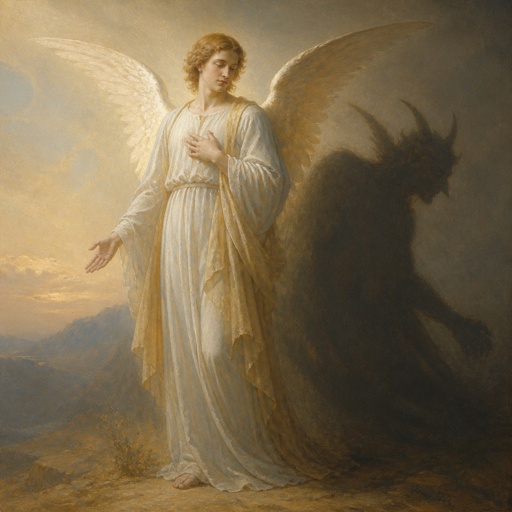
"And no marvel; for Satan himself is transformed into an angel of light." - 2 Corinthians 11:14

Nehemiah 11:11-14

1 Corinthians 14:38 - "But if any man be ignorant, let him be ignorant."

1 Corinthians 14:1 - "Follow after charity, and desire spiritual gifts, but rather that ye may prophesy."

1 Corinthians 14:17 - "For thou verily givest thanks well, but the other is not edified."