The Cup of Remembrance: A New Covenant of Grace
“After the same manner also he took the cup, when he had supped, saying, This cup is the new testament in my blood: this do ye, as oft as ye drink it, in remembrance of me.” — 1 Corinthians 11:25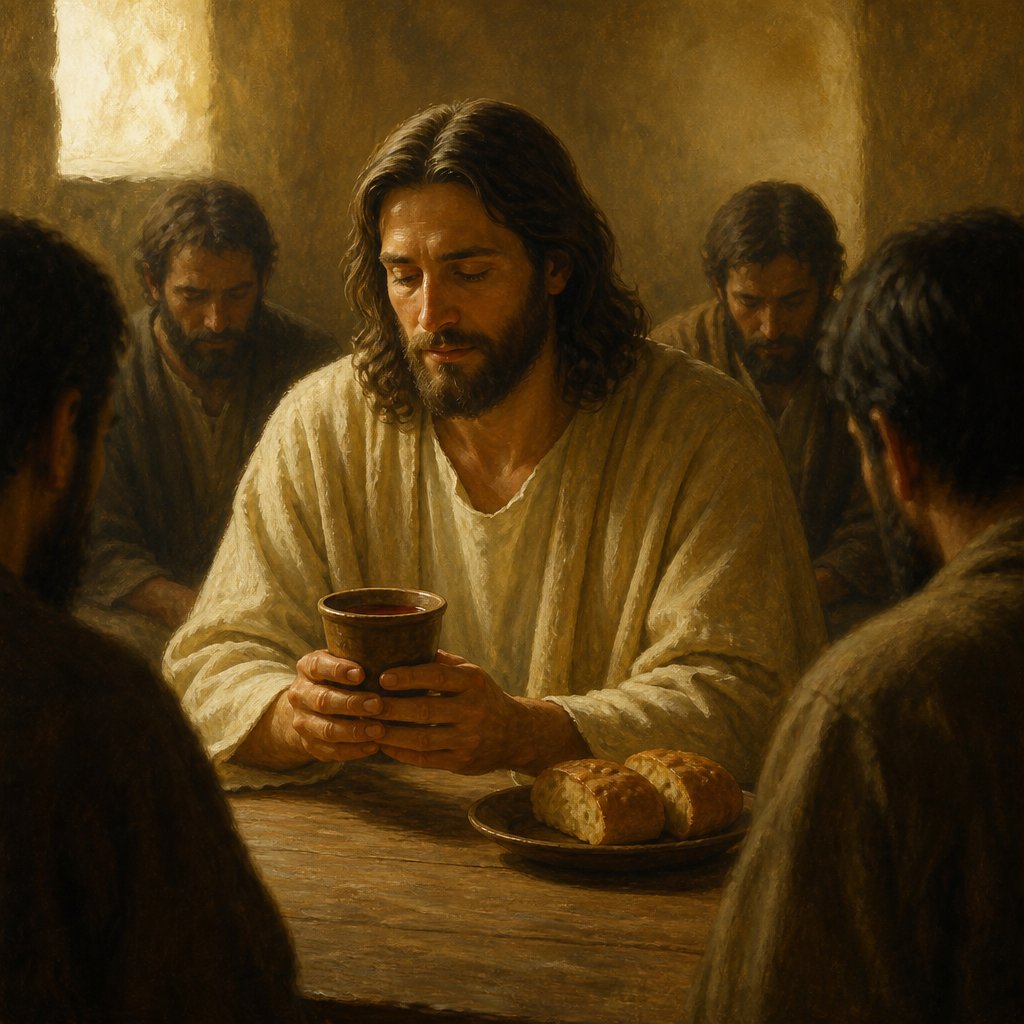
In the midst of turbulent times, the Apostle Paul reminds us of the profound significance of our Lord’s Supper through his letter to the Corinthians. In the heart of this instruction, we find 1 Corinthians 11:25, which states: "After the same manner also he took the cup, when he had supped, saying, This cup is the new testament in my blood: this do ye, as oft as ye drink it, in remembrance of me."
To fully grasp the weight of this verse, we must first consider the background of this moment. Jesus, during His last Passover meal, initiated a new covenant that altered the course of history. The cup, filled with wine, was no ordinary drink; it was infused with deep meaning, representing His blood which would soon be shed on the cross. Through this act, Jesus solidified His promise of redemption, establishing a new testament rooted in grace and love.
The term "new testament" is significant. In biblical times, covenants were solemn agreements sealed with blood. The first covenant, exemplified in the Old Testament, was predicated on the law and the sacrificial system, while the New Testament—through Christ’s sacrifice—transferred the focus from law to grace, from works to faith.
When Jesus says, "This do ye, as oft as ye drink it, in remembrance of me," He invites us into a profound interaction that transcends mere ritual. The act of drinking from the cup is a call to remembrance—a reminder of His sacrifice, of the anguish He endured, and of the love He poured out for humanity. It serves as a powerful, tangible reflection of His unending grace. Each time we partake of this sacred act, we reengage with that moment in history where He bore the weight of our sins.
Remembrance, in this context, is not a passive activity. It requires intentionality and reflection. As we come to the table, we should examine our hearts and evaluate our lives in light of His sacrifice. The Apostle Paul emphasizes this in earlier verses when he warns against partaking unworthily (1 Corinthians 11:27-29). This solemn admonition urges us to approach the Lord’s Supper with reverence and humility, recognizing the significance of what we are doing. Our remembrance calls us to acknowledge our need for Him and the grace that His blood represents.
Moreover, this act is communal. It is not merely an individual experience but a shared one, reflecting the unity of the body of Christ. As members of one body, we partake together, which speaks to the relationship we have with one another in the faith. Our bonds are strengthened as we collectively remember Him—the one who reconciles us not only to God but also to each other.
This cup is also a proclamation. Paul writes in 1 Corinthians 11:26, "For as often as ye eat this bread, and drink this cup, ye do shew the Lord's death till he come." In sharing this meal, we testify to the world about the hope we have in Christ’s resurrection and the promise of His return. We declare that we belong to a new covenant, one that is not based on our merit but on His grace.
As we meditate on this verse in our lives, let us not lose sight of the cost it takes to approach this cup with grateful hearts. His blood was poured out for us, sealing a covenant of grace that grants us access to the very heart of God. Let us endeavor to drink deeply, not only remembering His sacrifice but also living in the light of His grace. May each sip serve as a fresh reminder of His love that transforms and unites us, leading us to live out our faith authentically in a world that desperately needs to hear this message of reconciliation.
In the end, may the cup of remembrance draw us closer to Him—transforming our hearts, renewing our minds, and strengthening our community. Amen.
Get our apps


Artwork for 1 Corinthians 11:25

1 Corinthians 11:25 - "After the same manner also he took the cup, when he had supped, saying, This cup is the new testament in my blood: this do ye, as oft as ye drink it, in remembrance of me."
"After the same manner also he took the cup, when he had supped, saying, This cup is the new testament in my blood: this do ye, as oft as ye drink it, in remembrance of me." - 1 Corinthians 11:25

1 Corinthians 9:25-27

1 Corinthians 9:25-27

1 Corinthians 9:25-27

1 Corinthians 9:25-27

1 Corinthians 1:25 - "Because the foolishness of God is wiser than men; and the weakness of God is stronger than men."

1 Corinthians 10:25 - "Whatsoever is sold in the shambles, that eat, asking no question for conscience sake:"

2 Corinthians 11:25 - "Thrice was I beaten with rods, once was I stoned, thrice I suffered shipwreck, a night and a day I have been in the deep;"

1 Corinthians 11:26-29

1 Corinthians 11:26-29

Eternal Victor's Crown: 1 Corinthians 9:25

1 Corinthians 11:8 - "For the man is not of the woman; but the woman of the man."

1 Corinthians 11:1 - "Be ye followers of me, even as I also am of Christ."

1 Corinthians 11:11 - "Nevertheless neither is the man without the woman, neither the woman without the man, in the Lord."

1 Corinthians 12:25 - "That there should be no schism in the body; but that the members should have the same care one for another."

1 Corinthians 15:8-11

1 Corinthians 11:9 - "Neither was the man created for the woman; but the woman for the man."

1 Corinthians 15:25 - "For he must reign, till he hath put all enemies under his feet."

1 Corinthians 11:31 - "For if we would judge ourselves, we should not be judged."

1 Corinthians 11:30 - "For this cause many are weak and sickly among you, and many sleep."

1 Corinthians 9:25 - "And every man that striveth for the mastery is temperate in all things. Now they do it to obtain a corruptible crown; but we an incorruptible."

1 Corinthians 11:13 - "Judge in yourselves: is it comely that a woman pray unto God uncovered?"

1 Corinthians 11:10 - "For this cause ought the woman to have power on her head because of the angels."
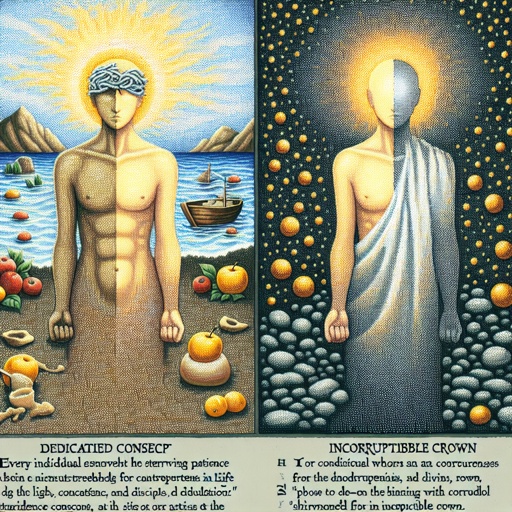
1 Corinthians 9:25 (KJVA) 25 And every man that striveth for the mastery is temperate in all things. Now they do it to obtain a corruptible crown; but we an incorruptible.

1 Corinthians 11:20 - "When ye come together therefore into one place, this is not to eat the Lord's supper."

1 Corinthians 1:11 - "For it hath been declared unto me of you, my brethren, by them which are of the house of Chloe, that there are contentions among you."

1 Corinthians 11:32 - "But when we are judged, we are chastened of the Lord, that we should not be condemned with the world."

1 Corinthians 11:16 - "But if any man seem to be contentious, we have no such custom, neither the churches of God."

1 Corinthians 8:11 - "And through thy knowledge shall the weak brother perish, for whom Christ died?"