The Divine Paradox: Embracing the Power of the Cross
“For the preaching of the cross is to them that perish foolishness; but unto us which are saved it is the power of God.” — 1 Corinthians 1:18
The Apostle Paul, in his first letter to the Corinthians, presents a striking contrast in human perception of the divine. "For the preaching of the cross is to them that perish foolishness; but unto us which are saved it is the power of God." (1 Corinthians 1:18, KJV) This verse invites us to reflect deeply on the significance of the cross, the central symbol of Christianity, and the profound implications it holds for our lives as believers.
At the heart of this verse is a dichotomy between two groups of people: those who are perishing and those who are being saved. To the former, the message of the cross—an instrument of suffering and humiliation—seems like nonsense. They cannot comprehend how something that appears to be weakness could possibly be considered powerful or even transformative. The world often values strength, dominance, and success, dismissing the lowly and humble nature of the sacrifice that truly embodies God’s love and wisdom.
However, to us who are being saved, the cross is anything but foolish. Instead, it is the very embodiment of God’s power—a power that transcends human understanding. The paradox lies in the fact that what seems weak and foolish to the world becomes a profound source of strength and salvation for those who believe.
This deep-rooted belief raises critical questions about how we view our own struggles and suffering. In a culture that often idolizes success and prosperity, we can easily lose sight of the truth that our struggles may be our greatest teachers. It teaches us resilience; it shapes our character. Just as Jesus’ sacrifice was not an end but a beginning—an ushering in of grace and reconciliation to God—so too can our suffering be a means through which God reveals His power in our lives.
Consider the early Christians in Corinth. They faced persecution, societal disdain, and ridicule for their faith. The very act of preaching the cross must have seemed absurd to many. And yet, it was precisely in their weakness and vulnerability that God’s power was made manifest. Paul himself embodies this dynamic. In 2 Corinthians 12:9, he says, "My grace is sufficient for thee: for my strength is made perfect in weakness." In our surrender to God in our weaknesses, we become vessels through which His power flows.
Moreover, the preaching of the cross carries the essential truth of the gospel: that God chose to reveal Himself through humility and sacrifice. This is a counterintuitive message that challenges our worldly notions of power. In the vanquishing of sin and death through the cross, God demonstrates that true power lies not in the ability to conquer but in the willingness to serve and love sacrificially.
In our daily lives, how then should we respond to this powerful message? First, we must embrace our identity as those who are saved. This means recognizing that our lives are marked by the love and grace of God, not by the standards of this world. As we present the cross, we must also share our stories of how the power of the cross has worked within us—transforming our lives, giving us hope, and empowering us to extend that hope to others.
Furthermore, let us not shy away from sharing this message, even when it seems foolish to those around us. Remembering that the message of the cross is powerful and life-giving can embolden us to speak it, to live it, and to shine it brightly in a world desperately in need of hope.
In closing, let Paul’s words remind you today that while the cross may appear foolish to some, it stands as the ultimate symbol of hope and transformation for those of us who believe. Let us rejoice in the knowledge that through the cross, we are not merely saved but empowered to live a life reflecting the very power of God. Amen.
Get our apps


Artwork for 1 Corinthians 1:18

1 Corinthians 1:18 - "For the preaching of the cross is to them that perish foolishness; but unto us which are saved it is the power of God."

"For the preaching of the cross is to them that perish foolishness; but unto us which are saved it is the power of God." - 1 Corinthians 1:18

"For the preaching of the cross is to them that perish foolishness; but unto us which are saved it is the power of God." - 1 Corinthians 1:18

1 Corinthians 1:8 - "Who shall also confirm you unto the end, that ye may be blameless in the day of our Lord Jesus Christ."

1 Corinthians 15:18 - "Then they also which are fallen asleep in Christ are perished."

2 Corinthians 1:18 - "But as God is true, our word toward you was not yea and nay."

1 Corinthians 4:18 - "Now some are puffed up, as though I would not come to you."

1 Corinthians 16:18 - "For they have refreshed my spirit and your's: therefore acknowledge ye them that are such."

1 Corinthians 10:18 - "Behold Israel after the flesh: are not they which eat of the sacrifices partakers of the altar?"

1 Corinthians 14:18 - "I thank my God, I speak with tongues more than ye all:"

1 Corinthians 12:18 - "But now hath God set the members every one of them in the body, as it hath pleased him."

1 Corinthians 11:18 - "For first of all, when ye come together in the church, I hear that there be divisions among you; and I partly believe it."

1 Corinthians 1:8-9 - "He will also keep you firm to the end, so that you will be blameless on the day of our Lord Jesus Christ. God is faithful, who has called you into fellowship with his Son, Jesus Christ our Lord."

1 Corinthians 7:18 - "Is any man called being circumcised? let him not become uncircumcised. Is any called in uncircumcision? let him not be circumcised."

"Who shall also confirm you unto the end, that ye may be blameless in the day of our Lord Jesus Christ." - 1 Corinthians 1:8

"Then they also which are fallen asleep in Christ are perished." - 1 Corinthians 15:18
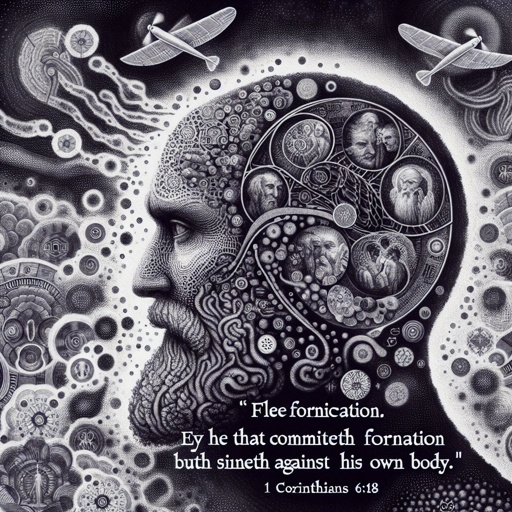
1 Corinthians 6:18 - "Flee fornication. Every sin that a man doeth is without the body; but he that committeth fornication sinneth against his own body."

1 Corinthians 3:18 - "Let no man deceive himself. If any man among you seemeth to be wise in this world, let him become a fool, that he may be wise."

1 Corinthians 1:19-20

1 Corinthians 1:19-20

1 Corinthians 1:19-20

1 Corinthians 1:19-20

1 Corinthians 1:19-20

1 Corinthians 1:19-20

1 Corinthians 1:19-20

1 Corinthians 1:19-20

1 Corinthians 1:19-20

1 Corinthians 1:19-20

"But as God is true, our word toward you was not yea and nay." - 2 Corinthians 1:18

1 Corinthians 9:18 - "What is my reward then? Verily that, when I preach the gospel, I may make the gospel of Christ without charge, that I abuse not my power in the gospel."