The Cross: A Stumbling Block or the Cornerstone?
“But we preach Christ crucified, unto the Jews a stumblingblock, and unto the Greeks foolishness;” — 1 Corinthians 1:23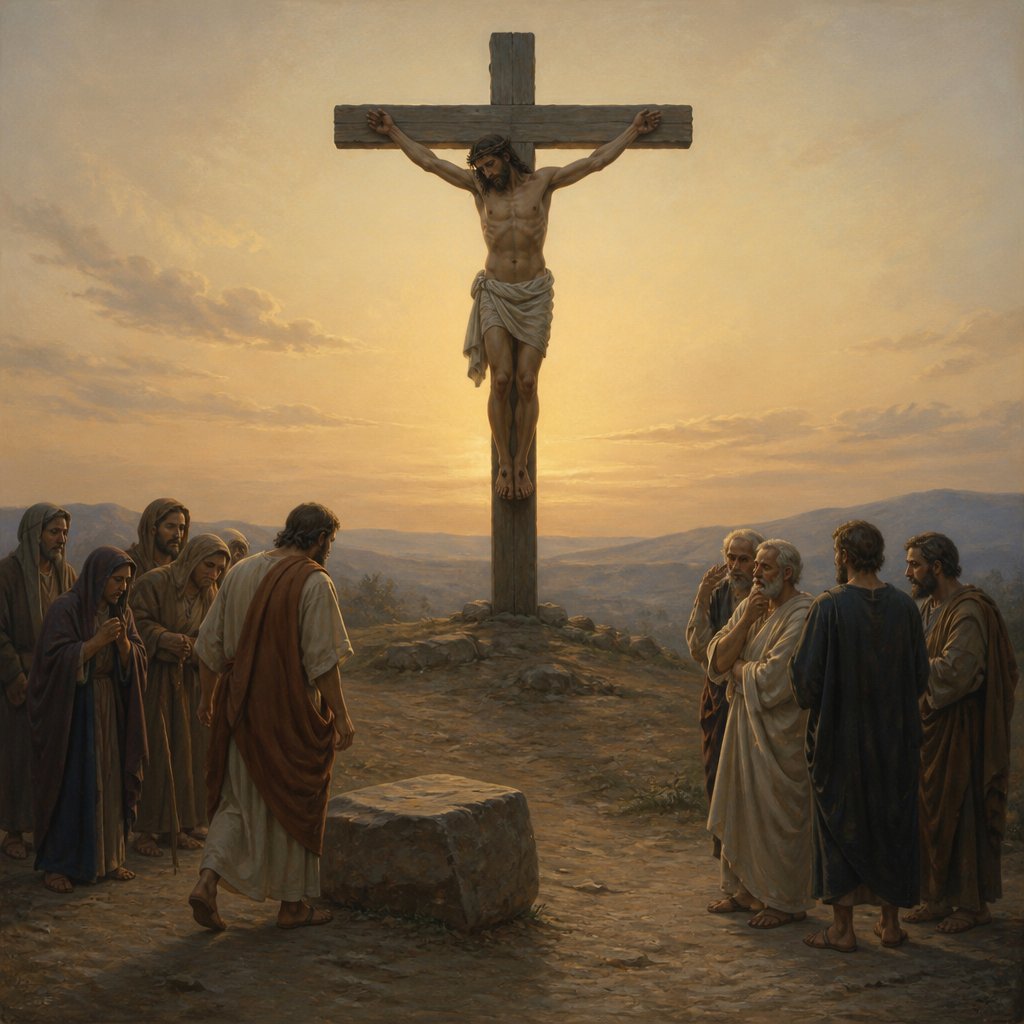
In the bustling city of Corinth, where Greco-Roman thought flourished and diverse philosophies competed for followers, the Apostle Paul found himself addressing a divided congregation. His words in 1 Corinthians 1:23, "But we preach Christ crucified, unto the Jews a stumblingblock, and unto the Greeks foolishness," resonate profoundly across the ages, inviting deep reflection on the central message of the Gospel and its relevance in a multicultural society.
To understand the gravity of Paul’s proclamation, we must first dissect the two groups he refers to: the Jews and the Greeks. For the Jewish people, the idea of a crucified Messiah was a profound contradiction. They envisioned a triumphant Savior, a king who would liberate them from oppression and restore Israel’s glory. Their expectation of power, sovereignty, and signs and wonders created a stumbling block when confronted with the vulnerability of the cross. They grappled with the irony that their awaited deliverance came not through a display of might but through the death of a humble carpenter.
In stark contrast, the Greeks, representing worldly wisdom and philosophy, found the message of a crucified Christ to be sheer foolishness. Greek philosophy heavily favored rationality and intellectual prowess; the concept of a divine figure subjected to such an undignified and humiliating death was, to them, beyond comprehension. They sought wisdom and enlightenment, making the Gospel seem absurd—an affront to human reasoning.
Essence of the Cross
Yet, Paul’s declaration that "we preach Christ crucified" illuminates a third perspective: the essence of the cross serves as a radical departure from human expectations. The cross is a symbol of God’s incomprehensible wisdom and divine love at work amidst the foolishness of humanity. It is the great equalizer, rendering both Jew and Greek, wise and foolish, under the same necessity of grace.
The implications of preaching Christ crucified are staggering. To the Jew, it declares that salvation does not come through adherence to the law or the kingdom's triumph. Instead, it comes through faith in a Savior who willingly bore our sins, demonstrating love in its purest form. For the Greeks, it shatters the illusion of self-sufficiency and intellectual pride, revealing that the deepest truth about life and purpose cannot be found in human wisdom but through the humility of accepting Christ’s sacrifice.
As we reflect upon this verse, we confront a critical question: What does this mean for us today? In a world where people still worship at the altars of intellect, materialism, and human achievement, the message of the cross remains divisive. For some, the call to surrender to a crucified Savior may lead to offense, while for others, it can appear utterly irrational. Yet, therein lies the beauty of faith—accepting that God’s ways transcend our understanding, calling us into a relationship that transforms our priorities, passions, and purpose.
A Call to Preach
The call to preach Christ crucified is also a charge to live out this truth in the fullness and authenticity of our lives. We are beckoned to challenge the stumbling blocks of our own lives—be they prejudices, pride, or rationalizations—that hinder us from fully embracing the crucified Christ. The Gospel is potent where we find ourselves sharing it with humility, recognizing that it is God who reveals the truth to the hearts of those we encounter.
As we go forth, let us not shy away from the offense of the cross; instead, let us preach it boldly. Let us remember that in every stumbling block lies the opportunity for God’s revelation. For in the arms of a crucified Savior, we discover that our stumbling blocks can be transformed into stepping stones towards a redeeming relationship with God.
In essence, let us embrace the paradox of the cross—the foolishness of God, which is wiser than men, and the weakness of God, which is stronger than men (1 Corinthians 1:25). May our lives reflect the profound truth that, through the message of the cross, we find our greatest strength and purpose.
Get our apps


Artwork for 1 Corinthians 1:23

1 Corinthians 1:23 - "But we preach Christ crucified, unto the Jews a stumblingblock, and unto the Greeks foolishness;"
"But we preach Christ crucified, unto the Jews a stumblingblock, and unto the Greeks foolishness;" - 1 Corinthians 1:23

1 Corinthians 3:23 - "And ye are Christ's; and Christ is God's."

1 Corinthians 16:23 - "The grace of our Lord Jesus Christ be with you."

1 Corinthians 7:23 - "Ye are bought with a price; be not ye the servants of men."

1 Corinthians 9:23 - "And this I do for the gospel's sake, that I might be partaker thereof with you."

1 Corinthians 3:23 And you are Christ’s, and Christ is God’s.

1 Corinthians 3:23 And you are Christ’s, and Christ is God’s.

1 Corinthians 15:23 - "But every man in his own order: Christ the firstfruits; afterward they that are Christ's at his coming."

"And ye are Christ's; and Christ is God's." - 1 Corinthians 3:23

1 Corinthians 10:23 - "All things are lawful for me, but all things are not expedient: all things are lawful for me, but all things edify not."

2 Corinthians 1:23 - "Moreover I call God for a record upon my soul, that to spare you I came not as yet unto Corinth."

"Ye are bought with a price; be not ye the servants of men." - 1 Corinthians 7:23

"The grace of our Lord Jesus Christ be with you." - 1 Corinthians 16:23

1 Corinthians 11:23 - "For I have received of the Lord that which also I delivered unto you, That the Lord Jesus the same night in which he was betrayed took bread:"

1 Corinthians 12:23 - "And those members of the body, which we think to be less honourable, upon these we bestow more abundant honour; and our uncomely parts have more abundant comeliness."

1 Corinthians 1:19-20

1 Corinthians 1:19-20

1 Corinthians 1:19-20

1 Corinthians 1:19-20

1 Corinthians 1:19-20

1 Corinthians 1:19-20

1 Corinthians 1:19-20

1 Corinthians 1:19-20

1 Corinthians 1:19-20

1 Corinthians 1:19-20
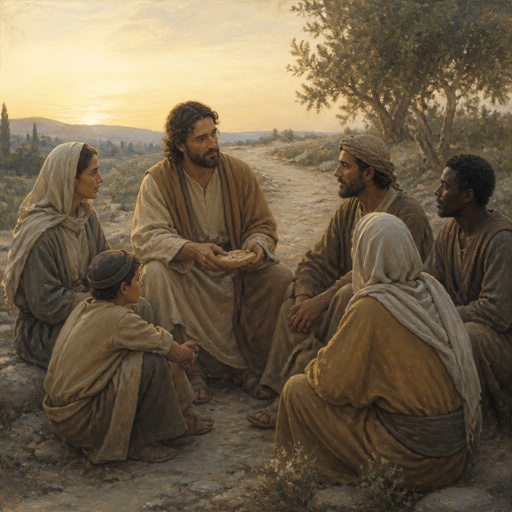
"And this I do for the gospel's sake, that I might be partaker thereof with you." - 1 Corinthians 9:23

1 Corinthians 15:22-23 - "For as in Adam all die, so also in Christ shall all be made alive. But each in his own order: Christ the firstfruits, then at his coming those who belong to Christ."

1 Corinthians 1:19-20

1 Corinthians 1:19-20