The Unlikely Call: Embracing God’s Purpose in Our Imperfection
“For ye see your calling, brethren, how that not many wise men after the flesh, not many mighty, not many noble, are called:” — 1 Corinthians 1:26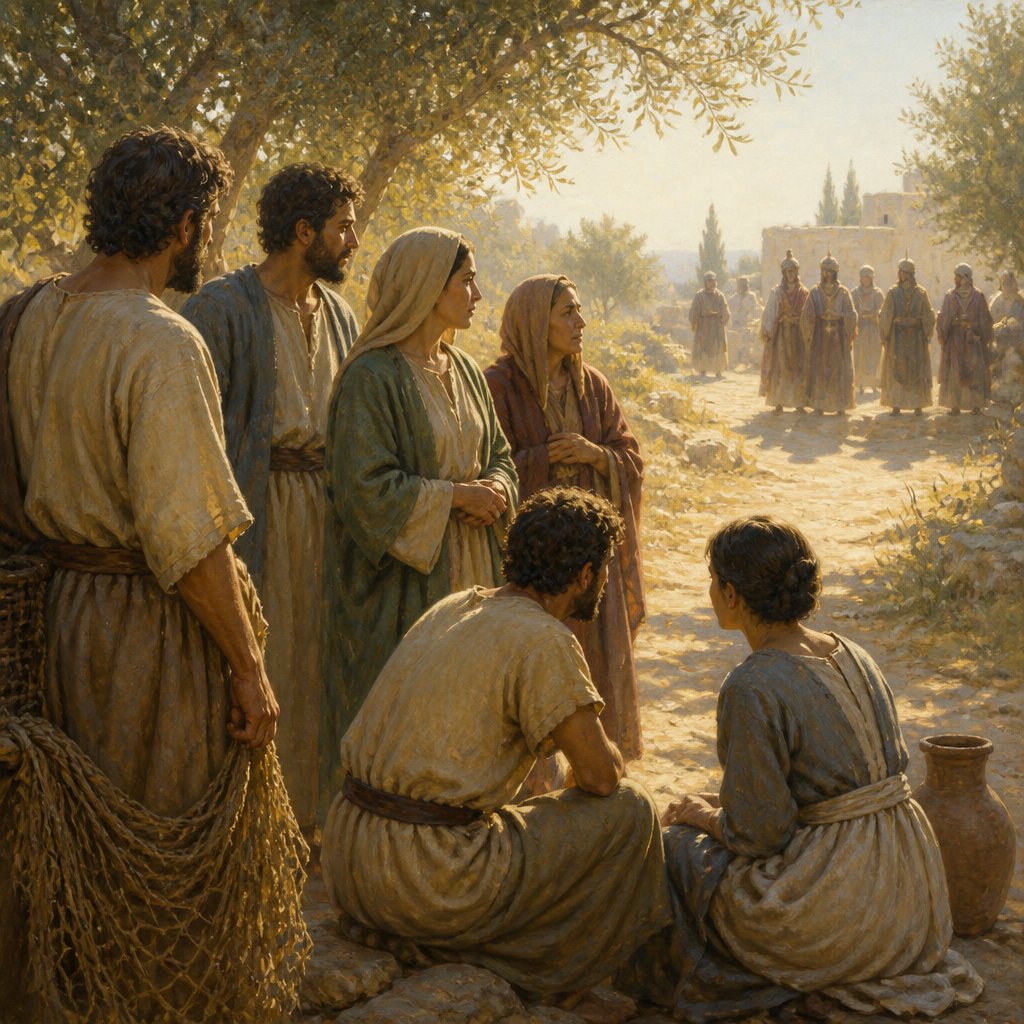
In 1 Corinthians 1:26, Paul writes: "For ye see your calling, brethren, how that not many wise men after the flesh, not many mighty, not many noble, are called." This verse invites us to pause and intentionally reflect on the nature of God’s calling. It fundamentally challenges our perceptions of worthiness, ability, and the parameters we often place on whom God chooses to use.
To understand the depth of this scripture, we must first consider the context in which Paul was writing. The early Corinthian church was beset by divisions and strife, rooted in a misplaced prioritization of worldly wisdom and status. In their attempt to find significance and belonging, many were vying for recognition based on human merit—education, influence, stature. However, Paul dismantles this notion by redirecting their focus onto the divine calling that transcends the limitations of human qualifications.
It is crucial to acknowledge that the calling referred to in this verse is not about the sheer act of being called, but rather about who typically receives God’s call. Paul points out that they are not called for their intellectual prowess, political power, or social status. In saying, "not many wise men after the flesh, not many mighty, not many noble," he draws attention to the fact that God often chooses the overlooked, the underqualified, and the ordinary among us to fulfill His purposes.
This directly confronts the pride and elitism found within human society. We live in a world that reveres the educated and the affluent; we admire the powerful and influential, often assuming they possess superior status in God's eyes. But here, Paul proclaims that the message of the Gospel is radically inclusive, extending grace to those who lack the very attributes society values. In God’s kingdom, the weak are made strong, the insignificant find their purpose, and the humble are exalted.
When we grasp this truth, it liberates us from a life tethered to standards of comparison. Imagine the confidence and freedom we can have when we understand that God’s call is not contingent on our achievements or accolades. In fact, the Lord often works through our weaknesses, showing His power more clearly against the backdrop of our limitations. As Paul mentions in 2 Corinthians 12:9, "My grace is sufficient for thee: for my strength is made perfect in weakness."
Additionally, embracing this verse encourages a sense of belonging within the community of believers. The church should be a place where all individuals—regardless of their status—can come, be filled with purpose, and serve the Lord. Here, everyone’s story matters; every life has significance. There’s beauty in diversity; God’s handiwork is displayed in our differences, affirming that we are called not in spite of our weaknesses but because of them.
Let’s also consider the implications of accepting our call in Christ. When we realize that our worth is found in Christ and not in societal definitions of success, we can participate boldly in the work He has for us. We begin to recognize that God is calling us to bring His light into dark places, to stand firm in our faith despite worldly expectations, and to offer our unique gifts and testimonies as vessels for His glory.
As we reflect on 1 Corinthians 1:26 today, let us celebrate the grace of God that elevates the humble and unassuming. Each of us has been called not because we are wise, mighty, or noble, but because God desires to reveal His love and power through our lives. Let us embrace our calling—however unlikely it may seem—and revel in the divine orchestration of our purpose, contributing to His kingdom with joy, faith, and an unwavering heart. May we always find strength in knowing that our worth and value are anchored in our identity as beloved children of God.
Get our apps


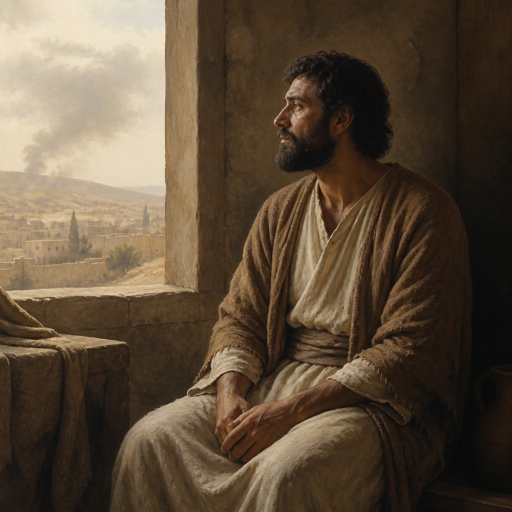
Artwork for 1 Corinthians 1:26

1 Corinthians 1:26 - "For ye see your calling, brethren, how that not many wise men after the flesh, not many mighty, not many noble, are called:"
"For ye see your calling, brethren, how that not many wise men after the flesh, not many mighty, not many noble, are called:" - 1 Corinthians 1:26

1 Corinthians 1:26-28 - "Brothers and sisters, think of what you were when you were called. Not many of you were wise by human standards; not many were influential; not many were of noble birth. But God chose the foolish things of the world to shame the wise; God chose the weak things of the world to shame the strong. God chose the lowly things of this world and the despised things—and the things that are not—to nullify the things that are."
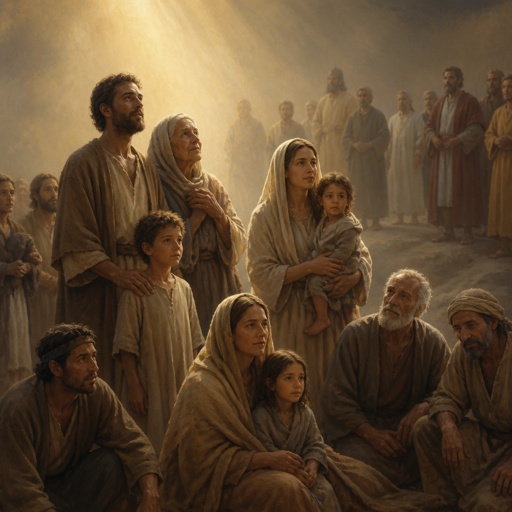
"Brothers and sisters, think of what you were when you were called. Not many of you were wise by human standards; not many were influential; not many were of noble birth. But God chose the foolish things of the world to shame the wise; God chose the weak things of the world to shame the strong. God chose the lowly things of this world and the despised things—and the things that are not—to nullify the things that are." - 1 Corinthians 1:26-28

1 Corinthians 14:26-33

1 Corinthians 10:26 - "For the earth is the Lord's, and the fulness thereof."

1 Corinthians 15:26 - "The last enemy that shall be destroyed is death."

1 Corinthians 11:26-29

1 Corinthians 11:26-29

1 Corinthians 7:26 - "I suppose therefore that this is good for the present distress, I say, that it is good for a man so to be."

1 Corinthians 9:26 - "I therefore so run, not as uncertainly; so fight I, not as one that beateth the air:"

"For the earth is the Lord's, and the fulness thereof." - 1 Corinthians 10:26
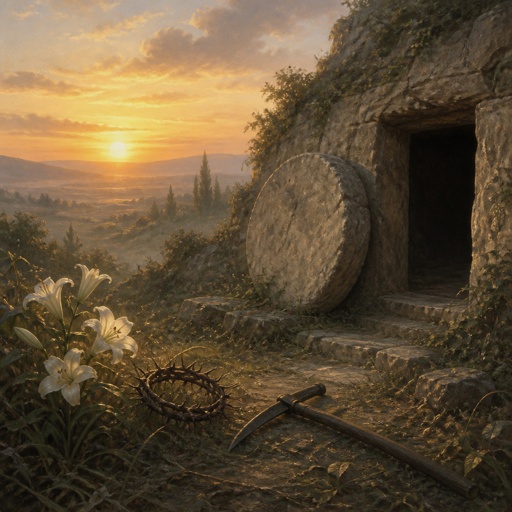
"The last enemy that shall be destroyed is death." - 1 Corinthians 15:26

1 Corinthians 12:26 - "And whether one member suffer, all the members suffer with it; or one member be honoured, all the members rejoice with it."

1 Corinthians 11:26 - "For as often as ye eat this bread, and drink this cup, ye do shew the Lord's death till he come."

1 Corinthians 10:26-27 - "for, 'The earth is the Lord’s, and everything in it.' If an unbeliever invites you to a meal and you want to go, eat whatever is put before you without raising questions of conscience."

1 Corinthians 1:19-20

1 Corinthians 1:19-20

1 Corinthians 1:19-20

1 Corinthians 1:19-20

1 Corinthians 1:19-20

1 Corinthians 1:19-20

1 Corinthians 1:19-20

1 Corinthians 1:19-20

1 Corinthians 1:19-20

1 Corinthians 1:19-20

1 Corinthians 14:26 - "How is it then, brethren? when ye come together, every one of you hath a psalm, hath a doctrine, hath a tongue, hath a revelation, hath an interpretation. Let all things be done unto edifying."
"I suppose therefore that this is good for the present distress, I say, that it is good for a man so to be." - 1 Corinthians 7:26

1 Corinthians 1:19-20

1 Corinthians 1:19-20