The Divine Paradox: Embracing the Foolish and Weak
“But God hath chosen the foolish things of the world to confound the wise; and God hath chosen the weak things of the world to confound the things which are mighty;” — 1 Corinthians 1:27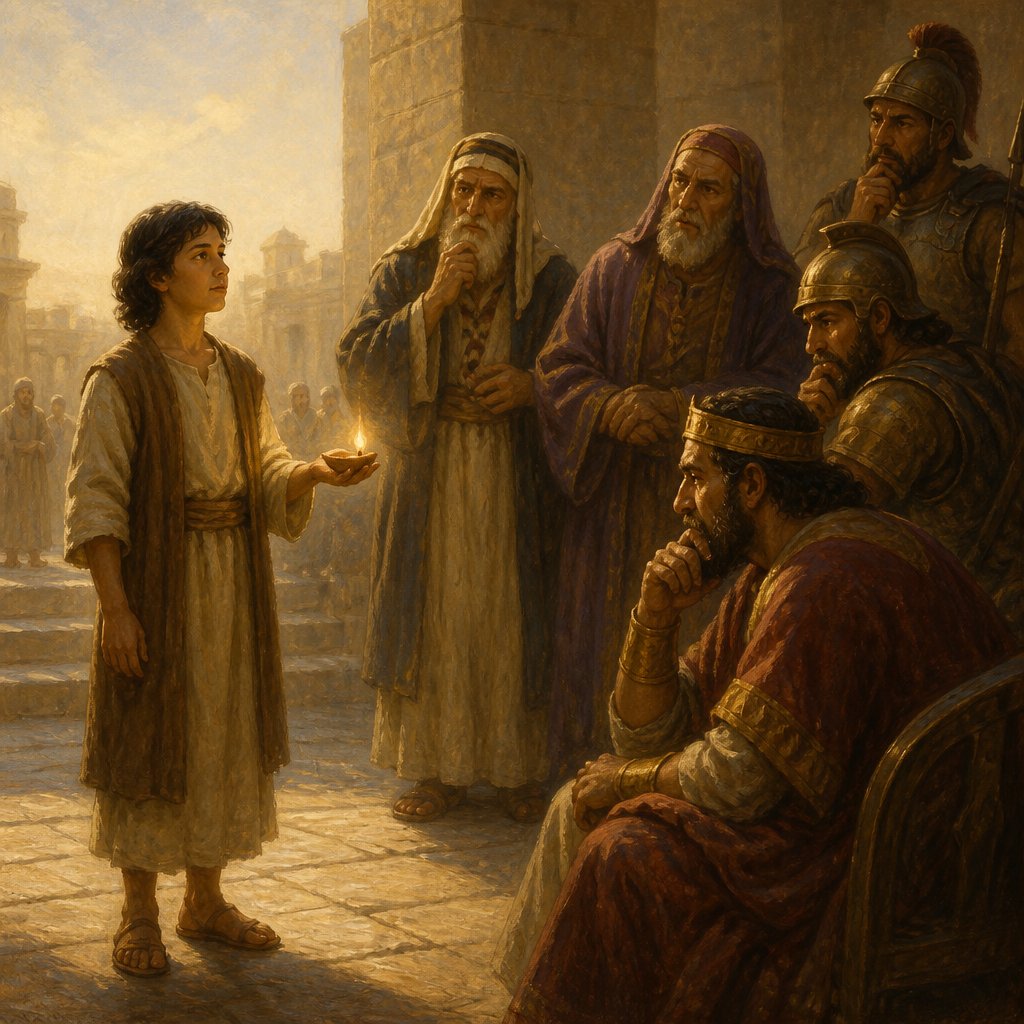
In 1 Corinthians 1:27, Paul writes, "But God hath chosen the foolish things of the world to confound the wise; and God hath chosen the weak things of the world to confound the things which are mighty." This profound verse encapsulates the essence of God's divine economy, where His ways are not just different from our own; they are remarkably paradoxical. In a world that often reveres strength, intellect, and power, God actively chooses the very attributes that society deems insignificant or foolish.
To grasp the depth of this verse, we must first consider the context of Paul's message to the Corinthians. The Corinthian church was fraught with divisions, boasting, and a misguided sense of self-importance. The believers prized wisdom and philosophical knowledge, elevating certain leaders and teachings. Paul counters this prestige by emphasizing a radical truth: God’s choice of the foolish and weak shines a light on His sovereign authority. His wisdom transcends human understanding, making the proud and powerful look small in comparison.
The "foolish things of the world" refer, in part, to the Gospel, which, when viewed through the lens of human intellect, seems absurd. The notion that a crucified Savior could redeem humanity appears nonsensical to the wise. Yet, God chose the crucifixion, a symbol of apparent weakness, as the pathway to salvation. This act of love and sacrifice not only confounds the wise but reveals the limitations of human wisdom when confronted with divine truth. When we preach Christ crucified, we declare that the trappings of human reasoning cannot grasp God’s plan.
Moreover, God’s choice of the "weak things of the world" further emphasizes His desire to display His power through human frailty. Think of David, a mere shepherd boy, chosen to defeat the mighty Goliath; or Gideon, who led a small band of warriors to overthrow an entire Midianite army. These narratives do not just serve as historical accounts but illustrate a recurrent theme in Scripture: God delights in using the underdog to accomplish His will. The weak, the overlooked, and the underestimated become vessels through which God’s strength is made perfect.
In our own lives, we may feel that our weaknesses render us unworthy of God’s calling. Perhaps we struggle with self-doubt, insecurity, or past failures that whisper to us that we are not enough. Yet, it is precisely in these moments of inadequacy that we can witness the magnificent workings of God. When we surrender our weaknesses to Him, He transforms them into instruments of grace. Our failures can lead to profound testimonies of His power; through them, He confounds the wise who cling to their perceived strength.
Consider the life of Paul himself. Originally, he was a zealous persecutor of Christians, a man of authority and power. Yet, God reversed his course and turned this once proud Pharisee into an apostle who wrote letters that encouraged countless generations. Paul recognized that it was not his wisdom or strength that validated his ministry, but rather his dependence on Christ. He states in 2 Corinthians 12:9, "My grace is sufficient for thee: for my strength is made perfect in weakness."
As we ponder 1 Corinthians 1:27, let us submit our intellect and our arrogance at the feet of the One who is truly wise. May we embrace the truth that God valuates our foolishness, our weakness, and our dependence on Him as the ultimate pathway to discovering His great strength. In a world that tends to measure success and worth through worldly standards, remember that in God’s Kingdom, those who are humble and recognize their need for Him are the ones He lifts up.
This week, let us dare to be fools for Christ. Let us abandon the status quo of achievement and instead choose to trust in the goodness and wisdom of our God who chooses the seemingly insignificant to accomplish His grand purposes. The paradox of God’s choosing reveals the heart of the Gospel: His grace meets us where we are, strengthens us in our weakness, and confounds the wise with His unshakeable power.
Get our apps


Artwork for 1 Corinthians 1:27

1 Corinthians 1:27 - "But God hath chosen the foolish things of the world to confound the wise; and God hath chosen the weak things of the world to confound the things which are mighty;"
"But God hath chosen the foolish things of the world to confound the wise; and God hath chosen the weak things of the world to confound the things which are mighty;" - 1 Corinthians 1:27

1 Corinthians 9:25-27

1 Corinthians 9:25-27

1 Corinthians 9:25-27

1 Corinthians 9:25-27

1 Corinthians 12:27

1 Corinthians 12:27 - "Now ye are the body of Christ, and members in particular."

1 Corinthians 14:27 - "If any man speak in an unknown tongue, let it be by two, or at the most by three, and that by course; and let one interpret."
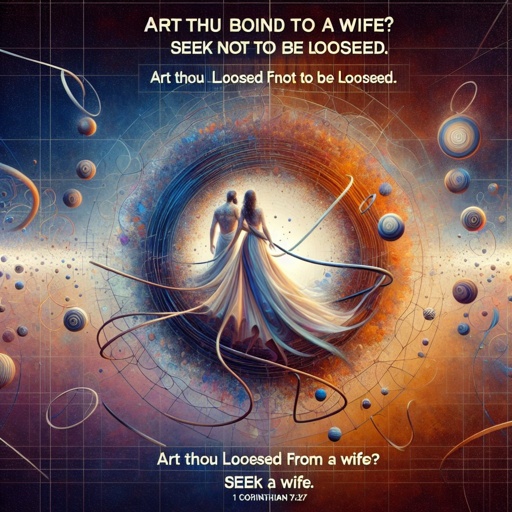
1 Corinthians 7:27 - "Art thou bound unto a wife? seek not to be loosed. Art thou loosed from a wife? seek not a wife."

1 Corinthians 11:27 - "Wherefore whosoever shall eat this bread, and drink this cup of the Lord, unworthily, shall be guilty of the body and blood of the Lord."
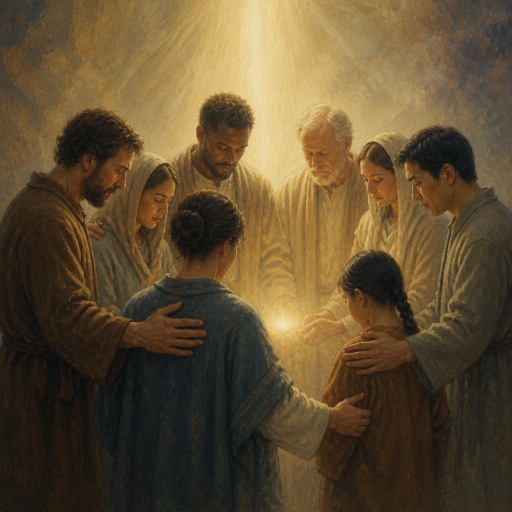
"Now ye are the body of Christ, and members in particular." - 1 Corinthians 12:27
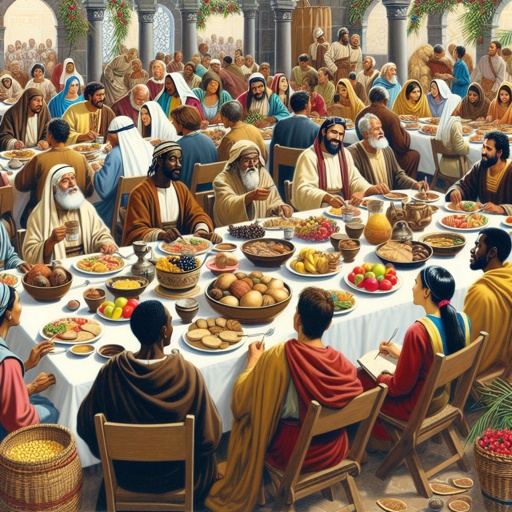
1 Corinthians 10:27 - "If any of them that believe not bid you to a feast, and ye be disposed to go; whatsoever is set before you, eat, asking no question for conscience sake."

1 Corinthians 9:27 - "But I keep under my body, and bring it into subjection: lest that by any means, when I have preached to others, I myself should be a castaway."

1 Corinthians 10:26-27 - "for, 'The earth is the Lord’s, and everything in it.' If an unbeliever invites you to a meal and you want to go, eat whatever is put before you without raising questions of conscience."

1 Corinthians 1:19-20

1 Corinthians 1:19-20

1 Corinthians 1:19-20

1 Corinthians 1:19-20

1 Corinthians 1:19-20

1 Corinthians 1:19-20

1 Corinthians 1:19-20

1 Corinthians 1:19-20

1 Corinthians 1:19-20

1 Corinthians 1:19-20

1 Corinthians 15:27 - "For he hath put all things under his feet. But when he saith all things are put under him, it is manifest that he is excepted, which did put all things under him."

1 Corinthians 1:19-20

1 Corinthians 1:19-20

1 Corinthians 1:19-20

1 Corinthians 1:19-20