Separation for Holiness: Understanding God’s Judgment and Our Response
“But them that are without God judgeth. Therefore put away from among yourselves that wicked person.” — 1 Corinthians 5:13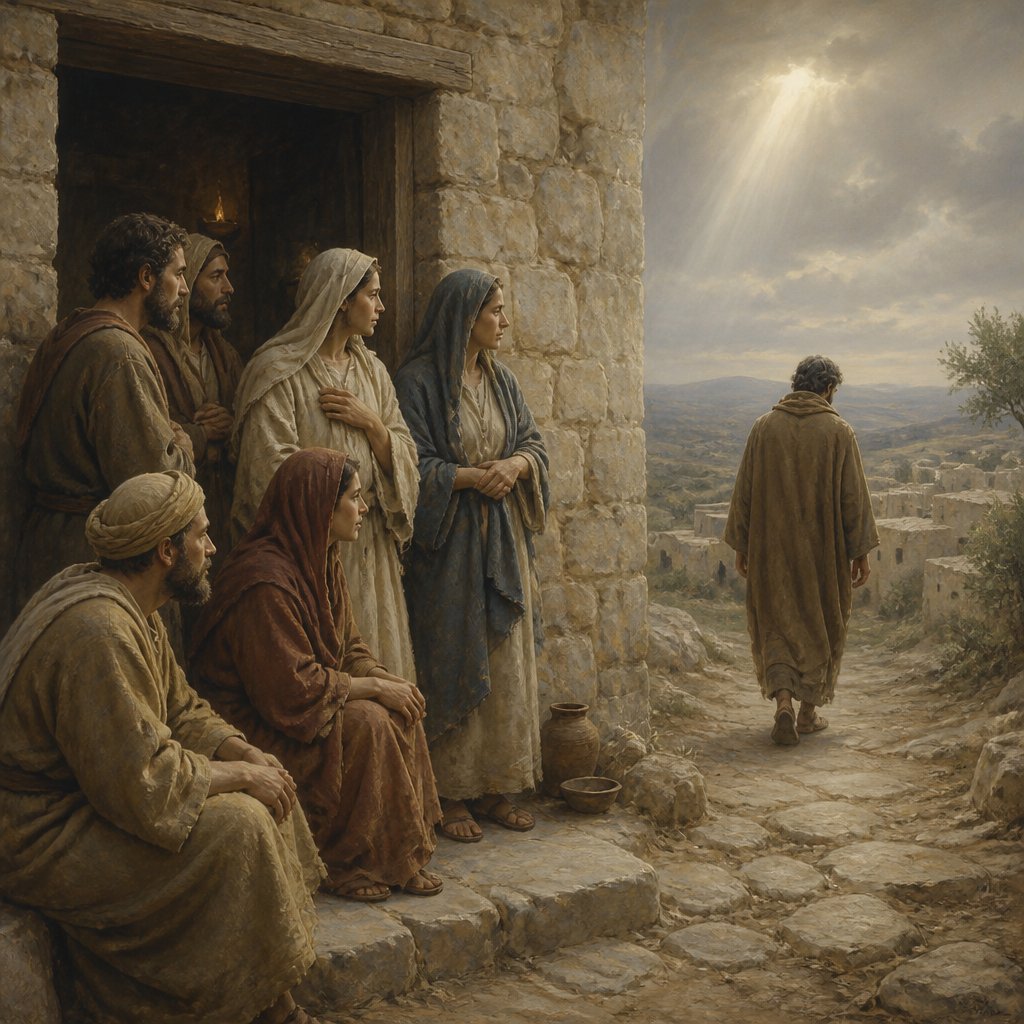
In the ancient city of Corinth, a vibrant hub of trade and culture, a community of believers faced challenges not only from external persecution but also from internal moral failures. The Apostle Paul, in his letter to the Corinthians, addressed a peculiar situation that called for not just wisdom but decisive action to uphold the sanctity of the church.
The verse we focus on is 1 Corinthians 5:13, "But them that are without God judgeth. Therefore put away from among yourselves that wicked person." This passage presents a profound truth: it is God who ultimately judges those who live in sin and defiance of His statutes, while the church has a responsibility to confront moral corruption within its own ranks.
### The Context of Judgment
Paul is not advocating for a callous or unloving stance towards those who sin but emphasizes the severity of maintaining purity within the body of Christ. The term "them that are without" refers to those outside the community of faith—those who do not recognize God’s authority and live according to their own desires. It reminds us that while God’s grace extends to all, there exists a clear line between believers and non-believers, especially concerning moral conduct. Judgment is God's prerogative, and He sees beyond actions to the heart of every individual.
### The Call for Action
On the other hand, ''put away from among yourselves that wicked person'' signifies the church’s responsibility to act in holiness. Paul urges the Corinthians to remove the unrepentant sinner from their midst. This act of discipline was not intended to ostracize but to restore—to wake the sinner’s conscience and draw them back into the light of God’s truth. Here we find a critical point: love often calls for difficult choices, and discipline is an extension of care and concern for the soul caught in the web of sin.
### Holiness and Community
As we reflect on this passage, we should consider what it means for the church today. The call for purity remains relevant; we are surrounded by moral ambiguity and ethical confusion in a society that often embraces wickedness. However, it is vital to approach such situations with a heart rooted in love rather than prideful condemnation. Paul’s instruction serves as a reminder that holiness is not an isolated pursuit; it involves the entire body of Christ, holding each other accountable and fostering an environment where righteousness thrives.
### The Danger of Tolerance
In our contemporary setting, tolerating sin within the church can lead to a dilution of its witness. When society sees the church overlooking blatant immorality, it questions the power of the Gospel. The church must not only preach forgiveness but also embody it through transformed lives. By addressing issues of sin with humility and grace, we demonstrate the redemptive power of Christ.
### A Path to Restoration
It's essential to remember that church discipline should always aim toward restoration. Jesus Himself outlined principles in Matthew 18 for confronting sin, in which the ultimate goal is for the sinner to repent and be reconciled. Thus, putting away that wicked person is not an act of finality but a desperate plea for repentance—a sacred hope that redemption is always accessible.
### Conclusion: A Call to Reflection
As we meditate on this scripture, let us ask ourselves: Are there areas in our church community where we have turned a blind eye to sin? How can we foster an environment of accountability, love, and righteousness? Let us also examine our hearts: Are we living in a manner consistent with our profession of faith? In all things, we must seek to reflect the grace and justice of God, knowing that judgement is His and restoration is our chief aim.
The path to holiness in the church calls for courage and clarity. Together, let's embrace this challenge, knowing that through discipline, we can guide one another toward a fuller understanding of God’s holiness and the unfathomable depth of His mercy.
Get our apps


Artwork for 1 Corinthians 5:13

1 Corinthians 5:13 - "But them that are without God judgeth. Therefore put away from among yourselves that wicked person."
"But them that are without God judgeth. Therefore put away from among yourselves that wicked person." - 1 Corinthians 5:13

1 Corinthians 13:5 - "Doth not behave itself unseemly, seeketh not her own, is not easily provoked, thinketh no evil;"
![1 Corinthians 13:13
1 Corinthians 13:13
[13] So now faith, hope, and love abide, these three; but the greatest of these is love. (ESV)](https://media.bible.art/3da57222-9f49-4158-a2a3-7a49b5dc4437-thumbnail.jpg)
1 Corinthians 13:13 1 Corinthians 13:13 [13] So now faith, hope, and love abide, these three; but the greatest of these is love. (ESV)

1 Corinthians 13:13

1 Corinthians 13 :13

1 Corinthians 13:4-5 - "Love is patient, love is kind. It does not envy, it does not boast, it is not proud. It does not dishonor others, it is not self-seeking, it is not easily angered, it keeps no record of wrongs."

1 Corinthians 13:4-6

1 Corinthians 13:4-6

1 Corinthians 13:4-6

1 Corinthians 13:4-6

1 Corinthians 13:4-6

1 Corinthians 13:4-6

1 Corinthians 13:4-6

1 Corinthians 13:4-6

1 Corinthians 13

2 Corinthians 5:13 - "For whether we be beside ourselves, it is to God: or whether we be sober, it is for your cause."

1 Corinthians 10:13

1 Corinthians 13:13 - "And now abideth faith, hope, charity, these three; but the greatest of these is charity."

1 Corinthians 10:13

1 Corinthians 10:13
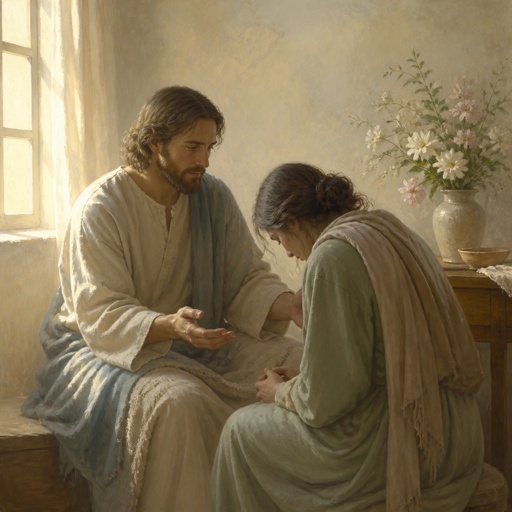
"Doth not behave itself unseemly, seeketh not her own, is not easily provoked, thinketh no evil;" - 1 Corinthians 13:5

1 Corinthians 15:13 - "But if there be no resurrection of the dead, then is Christ not risen:"

1 Corinthians 13:6 - "Rejoiceth not in iniquity, but rejoiceth in the truth;"

1 Corinthians 12:12-13

1 Corinthians 13:4-7

1 Corinthians 12:3-13

1 Corinthians 13:4-7

1 Corinthians 13:4-7

1 Corinthians 13:4-7