Living for the Lord: A Reflection on 1 Corinthians 6:13
“Meats for the belly, and the belly for meats: but God shall destroy both it and them. Now the body is not for fornication, but for the Lord; and the Lord for the body.” — 1 Corinthians 6:13
In the passage from 1 Corinthians 6:13, the Apostle Paul addresses the Corinthian church, a community struggling with issues of morality and propriety in a world rife with temptations. The verse states: "Meats for the belly, and the belly for meats: but God shall destroy both it and them. Now the body is not for fornication, but for the Lord; and the Lord for the body" (KJV). This scripture offers profound insights into our understanding of physical desires, our bodies' purposes, and the ultimate authority of God over both.
### Understanding Our Body's Purpose
Paul begins by presenting a common rationale of the time—an argument that suggests that just like food is made for the digestive system, sexual desires are natural and should be indulged. This rationale hints at a worldview that separates the spiritual from the physical, viewing the body merely as a vessel for earthly pleasures. However, Paul swiftly counters this notion by emphasizing that while food and the belly serve a temporary purpose, they belong to this earthly existence and will ultimately perish. He highlights that the body's purpose transcends mere physical gratification.
The phrase "but God shall destroy both it and them" serves as a sobering reminder that life is transient. Physical needs and desires, though real, are not the end goal of our existence. Instead, Paul presents a higher calling: "Now the body is not for fornication, but for the Lord; and the Lord for the body." Here, we are reminded that our bodies are created not just for physical purposes but for divine purposes. This assertion beckons us to reconsider how we view our bodies and the way we engage with the world around us.
### The Sacredness of the Body
With this understanding, we must reflect on the sacredness of our bodies. Our physical forms are not mere vessels for our whims; they are temples designed to honor the Lord. In earlier chapters of 1 Corinthians, Paul elaborates on this concept, pointing out that believers are members of Christ’s body. Therefore, engaging in sexual immorality is not just a personal choice; it is an act that defiles the body, which is intrinsically linked to the divine purpose.
This alignment with God transforms our understanding of physical desires. Rather than viewing them as unrestrained urges, we see them as aspects of our humanity that can be sanctified and aligned with God’s purposes. We find strength in our identity as creations made in His image. Thus, we are called to exercise control over our desires, submitting them to God who is meant to inhabit our bodies.
### God’s Intent for Our Lives
Paul conveys that aligning our actions with God's intentions is vital for our spiritual health. When he writes that "the Lord for the body," he introduces the idea that Christ not only redeems our souls but also fulfills our earthly existence. Therefore, our choices—whether regarding our body, relationships, or our daily interactions—should glorify Him.
When faced with the conflict between earthly desires and spiritual stewardship, we are invited into a partnership with God. He assures us of His presence and ability to help us navigate these challenges. Like the Corinthians, we may find ourselves in a culture rife with distractions, yet we are not without hope; we have the Holy Spirit dwelling within us, providing guidance and strength to overcome temptations.
### Conclusion: A Call to Holiness
As we meditate on 1 Corinthians 6:13, we must come away with a renewed commitment to living for the Lord rather than our desires. Each day is an opportunity to dedicate our bodies, minds, and souls to God, recognizing that our true fulfillment arises not from the indulgence of the flesh but from a life aligned with His divine will.
In practical terms, this means seeking to honor God with our bodies—be it through our relationships, our health, or our general conduct. Let us strive to reflect His glory in all we do, embracing the purpose for which He created us. May our lives echo the truth that we are not our own; we have been bought with a price, and we are called to glorify God in our bodies.
Get our apps


Artwork for 1 Corinthians 6:13
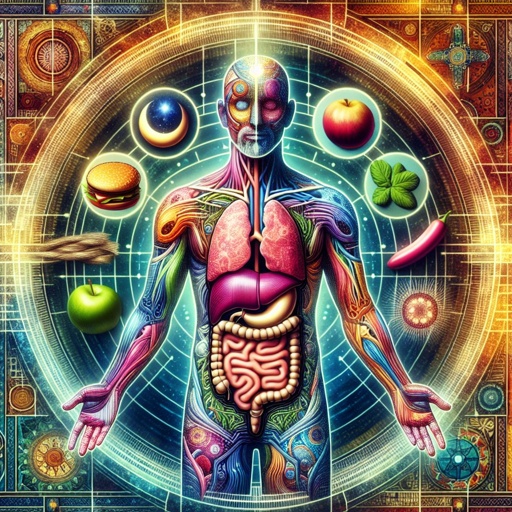
1 Corinthians 6:13 - "Meats for the belly, and the belly for meats: but God shall destroy both it and them. Now the body is not for fornication, but for the Lord; and the Lord for the body."

"Meats for the belly, and the belly for meats: but God shall destroy both it and them. Now the body is not for fornication, but for the Lord; and the Lord for the body." - 1 Corinthians 6:13

1 Corinthians 13:4-6

1 Corinthians 13:4-6

1 Corinthians 13:4-6

1 Corinthians 13:4-6

1 Corinthians 13:4-6

1 Corinthians 13:4-6

1 Corinthians 13:4-6

1 Corinthians 13:4-6

1 Corinthians 13:6 - "Rejoiceth not in iniquity, but rejoiceth in the truth;"

"Rejoiceth not in iniquity, but rejoiceth in the truth;" - 1 Corinthians 13:6
![1 Corinthians 13:13
1 Corinthians 13:13
[13] So now faith, hope, and love abide, these three; but the greatest of these is love. (ESV)](https://media.bible.art/3da57222-9f49-4158-a2a3-7a49b5dc4437-thumbnail.jpg)
1 Corinthians 13:13 1 Corinthians 13:13 [13] So now faith, hope, and love abide, these three; but the greatest of these is love. (ESV)

1 Corinthians 13:13

1 Corinthians 13 :13

2 Corinthians 13:6 - "But I trust that ye shall know that we are not reprobates."

2 Corinthians 6:13 - "Now for a recompence in the same, (I speak as unto my children,) be ye also enlarged."

1 Corinthians 6:19

1 Corinthians 6:19

1 Corinthians 6:19

1 Corinthians 13

1 Corinthians 6:19

1 Corinthians 6:19

1 Corinthians 6:19

1 Corinthians 6:19-20

1 Corinthians 6:19-20

1 Corinthians 6:19-20

1 Corinthians 10:13

1 Corinthians 13:13 - "And now abideth faith, hope, charity, these three; but the greatest of these is charity."

1 Corinthians 6:19-20