The Wisdom of Godly Judgment: A Call to Righteousness
“I speak to your shame. Is it so, that there is not a wise man among you? no, not one that shall be able to judge between his brethren?” — 1 Corinthians 6:5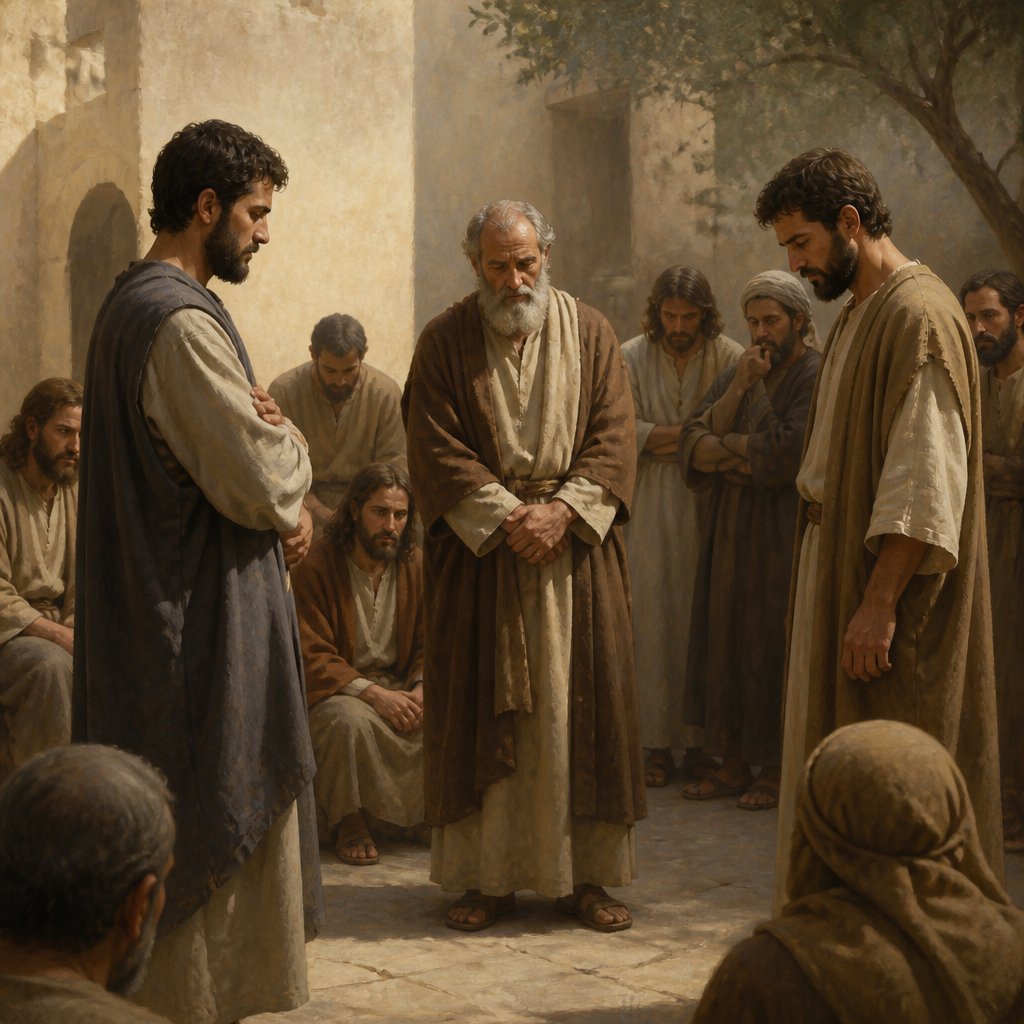
In 1 Corinthians 6:5, the Apostle Paul addresses a significant concern within the Corinthian church. He says, "I speak to your shame. Is it so, that there is not a wise man among you? no, not one that shall be able to judge between his brethren?" This verse comes in the context of the church members bringing their disputes before secular courts, thereby highlighting a desperate need for divine wisdom within the community of believers.
As we delve into this scripture, we must consider the implications of Paul’s words. His tone indicates a profound disappointment and a challenge to the congregants’ identity as followers of Christ. It evokes a deep self-reflection among the members of the church. It is important to recognize that Paul is not merely scolding them for their actions; rather, he is rallying the community toward a greater understanding of their purpose and the power of divine wisdom.
The church in Corinth was a vibrant body of believers, yet they were characterized by divisions, immorality, and confusion. In Paul's perspective, the followers of Christ should be saturated in wisdom stemming from their relationship with God. Proverbs 2:6 tells us, "For the Lord giveth wisdom: out of his mouth cometh knowledge and understanding." With the wisdom that comes from God, believers should be able to resolve internal conflicts in a manner that reflects the teachings of Jesus Christ.
The shame that Paul speaks of is not merely a feeling of embarrassment; it encompasses a broader sense of responsibility that believers hold as part of the body of Christ. When we fail to rise to biblical standards in our conflicts, we not only undermine our witness to the world but also create barriers within our fellowship. The very essence of community is that we reflect the unity and grace that we have received from Christ, and this is what Paul points to as being critically absent.
At its core, Paul’s question reflects a greater theological truth about the nature of wisdom itself. Wisdom, particularly the wisdom that comes from God, is not just about making good decisions. It is about being discerning and seeking the heart of God in our interpersonal relationships. James 1:5 tells us, "If any of you lack wisdom, let him ask of God, that giveth to all men liberally, and upbraideth not; and it shall be given him." The challenge for the Corinthian church was to recognize their own reliance on the spirit of wisdom that is offered freely by God.
Revisiting the notion of judgment, we must understand that Paul is not advocating for harshness or a legalistic approach but rather for a restoration of relationships through godly counsel. Discernment and understanding are vital in resolving disputes, and these attributes must flourish within the believers as they embody the heart of Christ. 1 Corinthians 2:15 reminds us, "But he that is spiritual judgeth all things, yet he himself is judged of no man."
In a world where disputes and polarizations are rampant, the call for Christians today remains the same. We must avoid taking our issues outside the church and seek resolution among fellow believers. This doesn’t imply that disputes should be ignored or swept under the rug; rather, we should devote ourselves to seeking the guidance and wisdom that comes from above, allowing God’s truth to mold our responses and resolutions.
Ultimately, as we reflect on Paul’s admonition, let us aspire to cultivate a community of wisdom within the church that honors God and fosters reconciliation. Resolution of disputes shall lead us to growth, spiritual maturity, and exemplification of Christ’s love, thus becoming wise stewards of the grace we have received. Let us pray for the wisdom to judge righteously among ourselves and bring light to the ways of the Lord, ever seeking to uphold the integrity and unity of the Body of Christ.
Get our apps


Artwork for 1 Corinthians 6:5
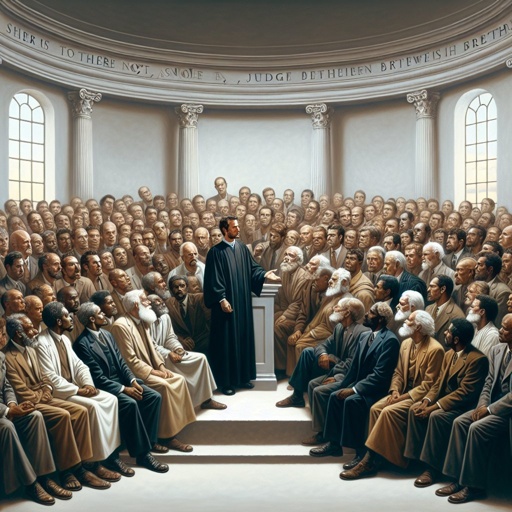
1 Corinthians 6:5 - "I speak to your shame. Is it so, that there is not a wise man among you? no, not one that shall be able to judge between his brethren?"
"I speak to your shame. Is it so, that there is not a wise man among you? no, not one that shall be able to judge between his brethren?" - 1 Corinthians 6:5

1 Corinthians 5:6 - "Your glorying is not good. Know ye not that a little leaven leaveneth the whole lump?"

2 Corinthians 6:5 - "In stripes, in imprisonments, in tumults, in labours, in watchings, in fastings;"

1 Corinthians 6:19

1 Corinthians 6:19

1 Corinthians 6:19

1 Corinthians 6:19

1 Corinthians 6:19

1 Corinthians 6:19

1 Corinthians 13:4-6

1 Corinthians 13:4-6

1 Corinthians 13:4-6

1 Corinthians 13:4-6

1 Corinthians 13:4-6

1 Corinthians 6:19-20

1 Corinthians 6:19-20

1 Corinthians 6:19-20

1 Corinthians 13:4-6

1 Corinthians 13:4-6

1 Corinthians 13:4-6

1 Corinthians 6:19-20

1 Corinthians 6:6 - "But brother goeth to law with brother, and that before the unbelievers."
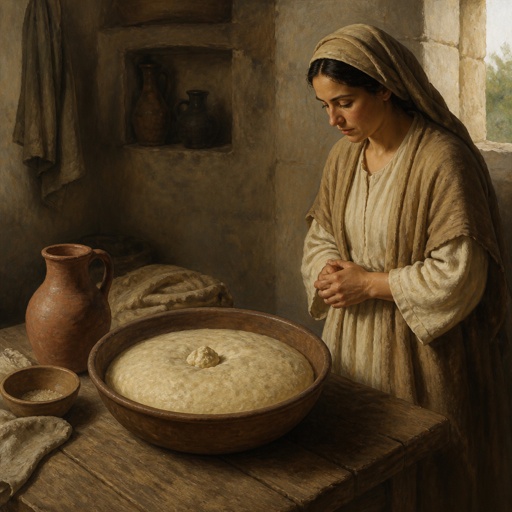
"Your glorying is not good. Know ye not that a little leaven leaveneth the whole lump?" - 1 Corinthians 5:6
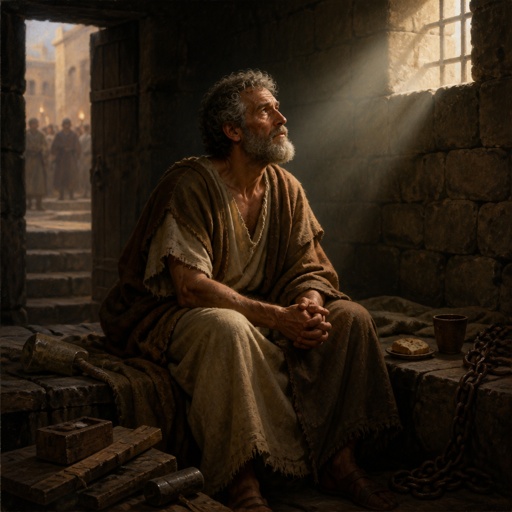
"In stripes, in imprisonments, in tumults, in labours, in watchings, in fastings;" - 2 Corinthians 6:5

1 Corinthians 1:6 - "Even as the testimony of Christ was confirmed in you:"

1 Corinthians 12:5 - "And there are differences of administrations, but the same Lord."

1 Corinthians 15:5 - "And that he was seen of Cephas, then of the twelve:"

1 Corinthians 7:6 - "But I speak this by permission, and not of commandment."

1 Corinthians 13:6 - "Rejoiceth not in iniquity, but rejoiceth in the truth;"