The Beautiful Dilemma: Navigating Relationships with Grace
"But if any man think that he behaveth himself uncomely toward his virgin, if she pass the flower of her age, and need so require, let him do what he will, he sinneth not: let them marry." - 1 Corinthians 7:36
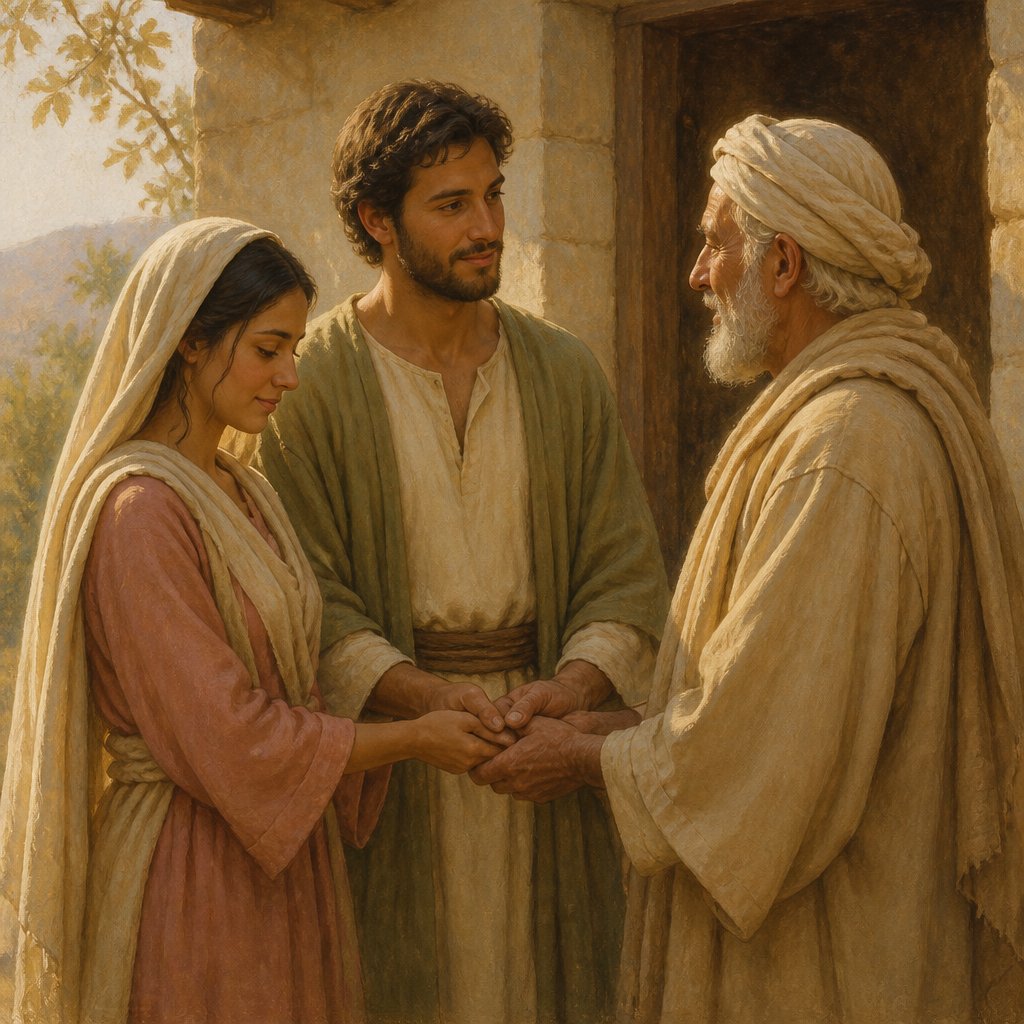
In the realm of relationships, one truth resounds: love is a multifaceted jewel, revealing different shades of beauty at every turn. The Apostle Paul, a guiding light of the early church, provides insight into the nuances of love and commitment in 1 Corinthians 7:36: "But if any man think that he behaveth himself uncomely toward his virgin, if she pass the flower of her age, and need so require, let him do what he will, he sinneth not: let them marry." Here, Paul addresses a sensitive topic, shedding light on the responsibilities and emotions entwined with romantic relationships.
The term "uncomely" may elicit thoughts of behavior that is inappropriate or dishonorable. In this context, Paul indicates a concern for a man's conduct toward a young woman whom he might have been promised to, referring specifically to her maturity and the cultural pressures of marriage. The notion of behaving uncomely can point to the struggle many face in discerning whether to continue in a relationship or to seek a more committed matrimonial path. Paul affirms that if the relationship has reached a crossroads, where a young woman is of a mature age and ready for the commitment of marriage, it is not only permissible but encouraged to progress into that covenant.
Paul's admonition to "do what he will" stands as a profound reminder of the agency we possess in relationships. In matters of the heart, individuals often feel a weight of obligation and expectation. Yet, Paul emphasizes freedom—the permission to follow one's conscience in pursuing a marriage that honors both parties. This act of choosing is not simply a matter of personal desire; it is also a significant spiritual decision informed by love, responsibility, and respect for one’s partner.
As we reflect on this verse, we are compelled to consider the broader implications of our choices in relationships. When deciding how to treat individuals in romantic contexts, we must ask ourselves: Are we behaving with integrity? Are we considering the heart and future of the other person? The significance of the phrase "if she pass the flower of her age" illustrates that there is a societal timeframe influencing romantic choices, urging men to act before opportunities fade. Love is not only about feelings; it is also about timing and readiness, both emotionally and spiritually.
Paul encourages us to acknowledge the importance of mutual feelings and desires. The verse reminds us that relationships should not be entered into lightly or bound by societal pressures alone, but rather through a genuine meeting of hearts. In essence, relationships must be prayed over, nurtured through communication, and founded on mutual respect and understanding.
Moreover, we must consider the societal context of marriage within the church today. Just as Paul addressed concerns of a first-century audience, we too face cultural pressures regarding the timing and nature of marriage. Many young couples grapple with expectations from their families and communities while wrestling with their own timelines and readiness. In all of this, it is crucial for us to lean into God’s guidance and align our choices with His will.
When the pressure to marry intensifies, we should remember that through faith and community, discernment comes. Seek wise counsel from trusted friends or mentors who can offer perspectives grounded in God’s truth. Engage in prayer that seeks clarity, understanding, and confirmation regarding important decisions in relationships.
In closing, let us remember the grace with which Paul addresses the complexities of love and marriage in his letter to the Corinthians. The question posed by Paul to his audience continues to resonate today: How are we conducting ourselves in matters of love? For beneath every dilemma lies the opportunity to honor God and those we love. Let us proceed in love—knowing that in our choices, whether toward marriage or otherwise, we are called to embody grace, respect, and a spirit of guidance.
Want to reflect more on 1 Corinthians 7:36?
Continue your spiritual journey with Bible Chat — an AI-powered tool for exploring God's Word through conversation. Ask questions, discover connections, and deepen your understanding.
Get Our Apps


1 Corinthians 7:36 Artwork

1 Corinthians 7:36 - "But if any man think that he behaveth himself uncomely toward his virgin, if she pass the flower of her age, and need so require, let him do what he will, he sinneth not: let them marry."
"But if any man think that he behaveth himself uncomely toward his virgin, if she pass the flower of her age, and need so require, let him do what he will, he sinneth not: let them marry." - 1 Corinthians 7:36

1 Corinthians 15:36

1 Corinthians 14:36

1 Corinthians 14:36

1 Corinthians 14:36-40

1 Corinthians 14:36-37

1 Corinthians 15:36 - "Thou fool, that which thou sowest is not quickened, except it die:"

1 Corinthians 14:36 - "What? came the word of God out from you? or came it unto you only?"

1 Chronicles 7:36 - "The sons of Zophah; Suah, and Harnepher, and Shual, and Beri, and Imrah,"

1 Corinthians 7:6 - "But I speak this by permission, and not of commandment."

1 Corinthians 13:4-7

"Thou fool, that which thou sowest is not quickened, except it die:" - 1 Corinthians 15:36

1 Corinthians 13:4-7

1 Corinthians 13:4-7

1 Corinthians 13:4-7

1 Corinthians 15:7 - "After that, he was seen of James; then of all the apostles."

1 Corinthians 7:23 - "Ye are bought with a price; be not ye the servants of men."

1 Corinthians 7:19 - "Circumcision is nothing, and uncircumcision is nothing, but the keeping of the commandments of God."

1 Corinthians 7:31 - "And they that use this world, as not abusing it: for the fashion of this world passeth away."

1 Corinthians 1:7 - "So that ye come behind in no gift; waiting for the coming of our Lord Jesus Christ:"

1 Corinthians 12:7 - "But the manifestation of the Spirit is given to every man to profit withal."

1 Corinthians 7:1 - "Now concerning the things whereof ye wrote unto me: It is good for a man not to touch a woman."

1 Corinthians 7:20 - "Let every man abide in the same calling wherein he was called."

1 Corinthians 7:9 - "But if they cannot contain, let them marry: for it is better to marry than to burn."

1 Corinthians 7:30 - "And they that weep, as though they wept not; and they that rejoice, as though they rejoiced not; and they that buy, as though they possessed not;"

1 Corinthians 7:24 - "Brethren, let every man, wherein he is called, therein abide with God."

"What? came the word of God out from you? or came it unto you only?" - 1 Corinthians 14:36

1 Corinthians 7:8 - "I say therefore to the unmarried and widows, It is good for them if they abide even as I."

1 Corinthians 7:26 - "I suppose therefore that this is good for the present distress, I say, that it is good for a man so to be."