Beyond the Marks: The True Significance of Divine Commandments
“Circumcision is nothing, and uncircumcision is nothing, but the keeping of the commandments of God.” — 1 Corinthians 7:19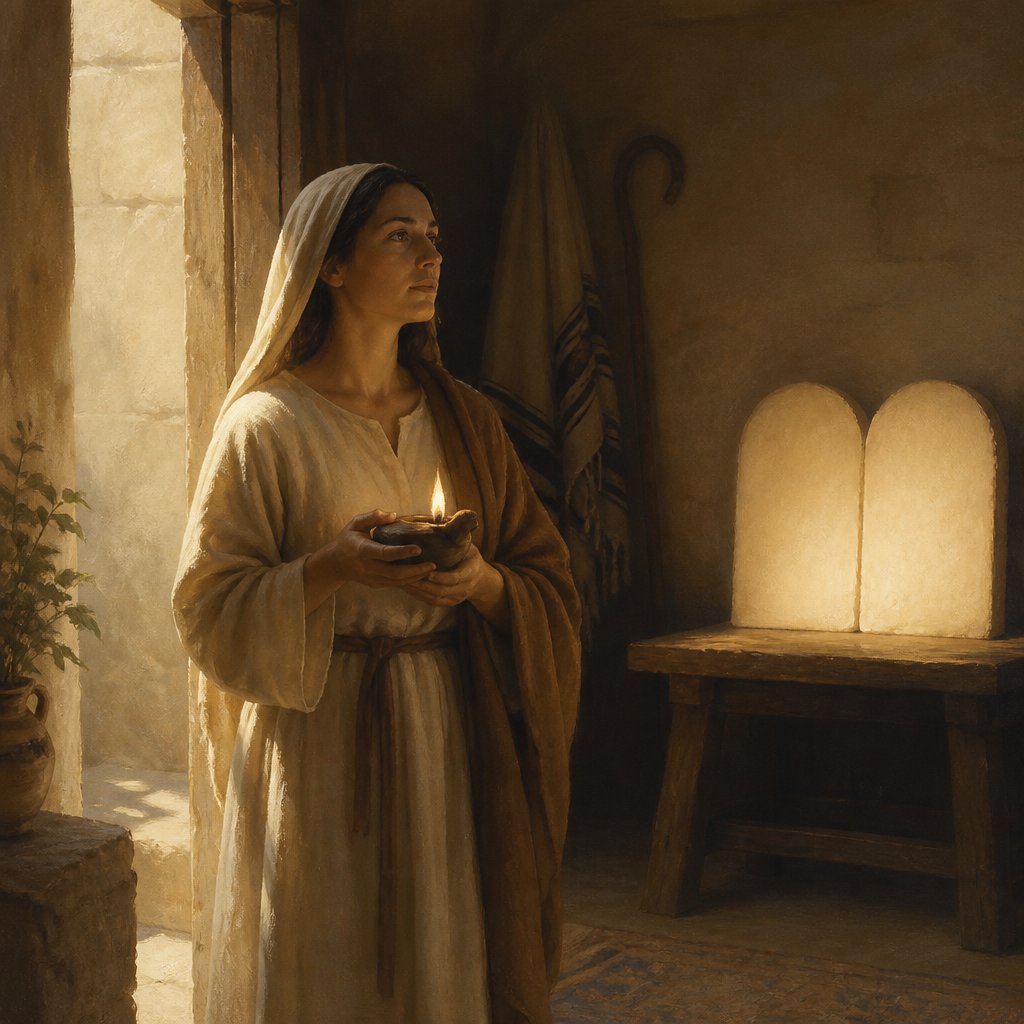
In the heart of Paul's first letter to the Corinthians, we find a provocative statement that challenges the believers’ understanding of religious identity and the essence of living a righteous life: "Circumcision is nothing, and uncircumcision is nothing, but the keeping of the commandments of God" (1 Corinthians 7:19, KJV). Let us delve deeper into this verse, exploring its implications and how it speaks to our lives today.
In the context of the early Church, the issue of circumcision was deeply rooted in Jewish tradition. It carried not only religious significance but also cultural and social weight. For Jews, circumcision was a covenantal sign, an emblem of their identity as God's chosen people. Conversely, for Gentiles (non-Jews), being uncircumcised symbolized their exclusion from the covenant community. Amidst these societal pressures and tensions, Paul brings forth a revolutionary truth that transcends the physical rituals and focuses instead on the spiritual realities.
Paul asserts that being circumcised or uncircumcised carries no value in itself. What is of utmost importance is the "keeping of the commandments of God." This striking declaration invites us to examine our own priorities and practices within our faith journey. Are we, too, sometimes caught up in rituals, traditions, or personal markers of faith that do not necessarily align with God’s true commandments?
Historically, many believers might consider their church attendance, baptism, or participation in communion as the primary indicators of their faith. While these practices are essential and biblical, they can become mere rituals devoid of the heart’s commitment to obey God's word. Paul is urging the Corinthian church—and us today—to evaluate the sincerity of our relationship with God. Are we focused on outward appearances, or are we nurturing a heart that longs to adhere to His commandments?
Jesus affirmatively echoed this sentiment in John 14:15 when He said, "If ye love me, keep my commandments." Our love for Christ is manifested through our obedience. The true measure of our faith is not based on worldly expectations or personal observances but rather on our willingness to listen and follow God’s teachings. The commandments He gave—love God, love your neighbor, proclaim the gospel, practice compassion—are the foundation of our faith.
This verse liberates us from the bondage of conforming to cultural and religious expectations that do not align with the true heart of God’s law. In a world that often promotes an ‘us versus them’ mentality based on religious practice, Paul’s words remind us that true spirituality is found in a heart that seeks righteousness and obedience rather than in external marking or identity.
Moreover, when we think about the commandments of God, we must remember that they stem from His loving character and are designed for our good. They equip us to live authentically and joyfully in the truth of His love. Obedience brings us into alignment with His will, enabling us to experience the fullness of life He promises (John 10:10).
Let’s consider how this message applies to us personally. In our daily moments of decision-making, let us focus on what God desires rather than what society might dictate. When faced with challenges, ask yourself: "Am I following God’s commands in this situation? Am I reflecting His love, grace, and justice in my actions?"
In closing, as we reflect on 1 Corinthians 7:19, let us be reminded that the marks of our faith are not found in our rituals or traditions but in our heartfelt obedience to God’s commandments. Circumcision and uncircumcision may indeed be nothing, but our genuine effort to love God with all our hearts, souls, and minds is everything. May we strive to embody this profound truth as we walk in faith and obedience throughout each day.
Get our apps


Artwork for 1 Corinthians 7:19

1 Corinthians 7:19 - "Circumcision is nothing, and uncircumcision is nothing, but the keeping of the commandments of God."
"Circumcision is nothing, and uncircumcision is nothing, but the keeping of the commandments of God." - 1 Corinthians 7:19

1 Corinthians 1:19-20

1 Corinthians 1:19-20

1 Corinthians 1:19-20

1 Corinthians 1:19-20

1 Corinthians 1:19-20

1 Corinthians 1:19-20

1 Corinthians 1:19-20

1 Corinthians 1:19-20

1 Corinthians 1:19-20

1 Corinthians 1:19-20

1 Corinthians 1:19-20

1 Corinthians 1:19-20

1 Corinthians 1:19-20

1 Corinthians 1:19-20

1 Corinthians 1:19-20

1 Corinthians 1:19-20

1 Corinthians 1:19-20

1 Corinthians 1:19-20

1 Corinthians 1:19-20

1 Corinthians 1:19-20

1 Corinthians 6:19

1 Corinthians 6:19

1 Corinthians 6:19

1 Corinthians 6:19

1 Corinthians 6:19

1 Corinthians 6:19

1 Corinthians 6:19-20
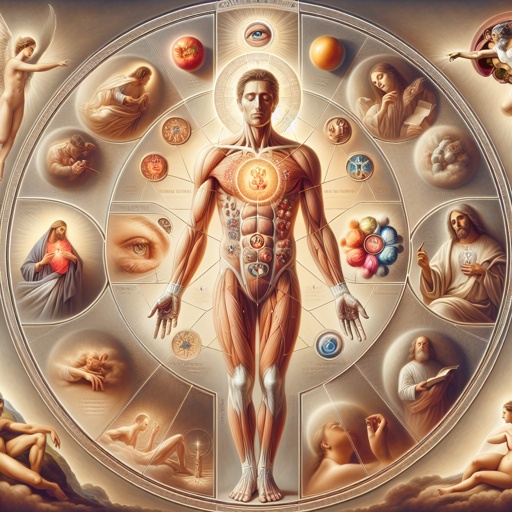
1 Corinthians 6:19-20