Freedom in Service: Embracing Our Calling
“Art thou called being a servant? care not for it: but if thou mayest be made free, use it rather.” — 1 Corinthians 7:21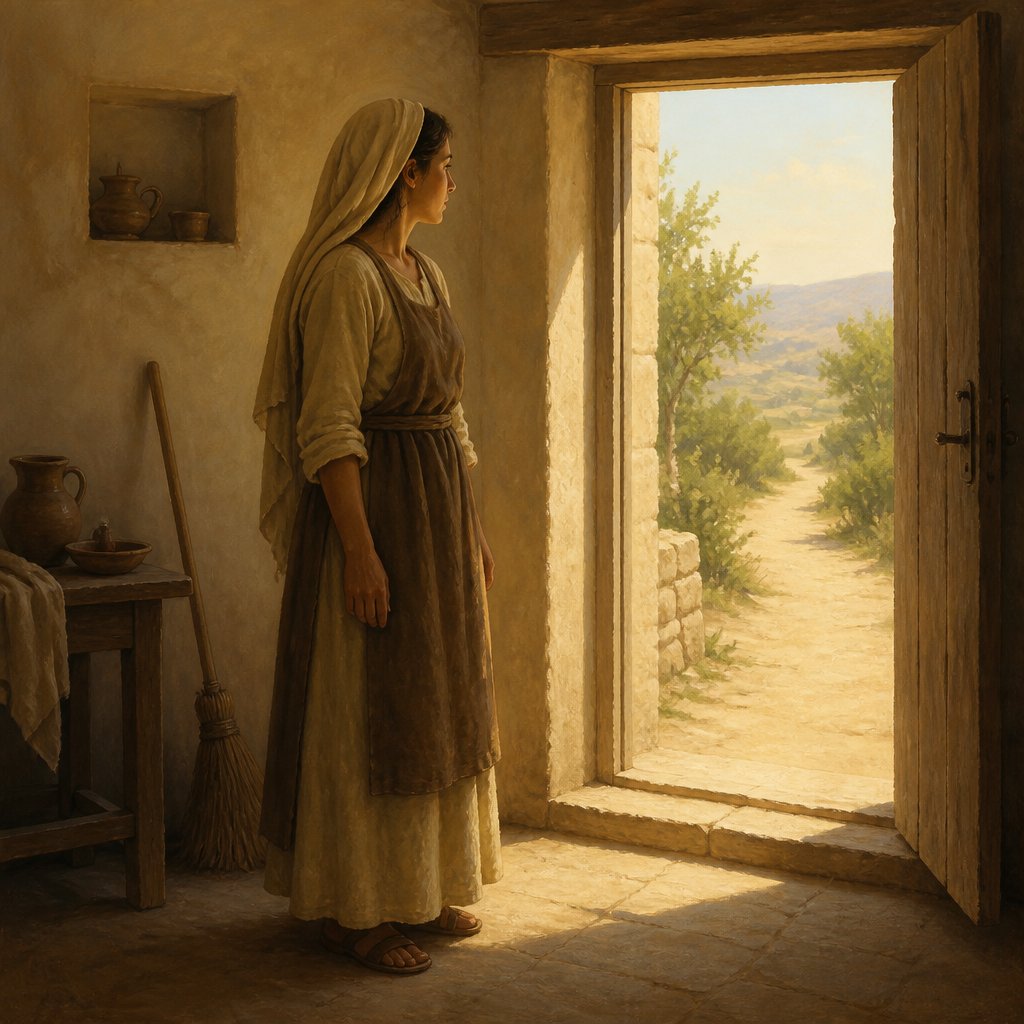
In the bustling corridors of life, where the din of expectations and societal standards often drown out the gentle whisper of God’s calling, the Apostle Paul's words in 1 Corinthians 7:21 offer a subtle yet profound reminder to those who find themselves in positions of servitude: "Art thou called being a servant? care not for it: but if thou mayest be made free, use it rather."
This verse speaks to the heart of our identities—not merely how culture or society defines us, but how God perceives us in our spiritual walks. Paul is addressing a community grappling with the complexities of worldly status, particularly concerning servitude and freedom. In the Roman Empire, slavery was a prevalent reality for many people. Servants, or slaves, had their identities wrapped around their roles, often leading to a crisis of self-worth and identity.
Paul’s opening question, "Art thou called being a servant?" can be interpreted as a call to reflect on one's circumstances. It invites believers to consider how God views their service. Attitude transforms our posture before God. Instead of seeing servitude as merely a societal imprint, Paul reframes it. He provokes the Corinthians to think beyond their immediate circumstances. Caring not for their status does not suggest a lack of concern for conditions; instead, it calls for a mindset focused on spiritual freedom, transcending societal limitations.
The second part of the verse presents a pivotal insight: "but if thou mayest be made free, use it rather.” Here, Paul highlights the notion of choice. Freedom, when available, is indeed a precious gift. Soliciting the opportunity for freedom is not only an invitation to better circumstances but also a divine calling to enjoy the fullness of life God intended for His people.
Consider the implications of this verse for our lives today. Many individuals might feel imprisoned by jobs they must fulfill, relationships that seem unyielding, or even the weight of past mistakes. For the believer, servitude—whether in a literal or metaphorical sense—may not signify a reduction in worth but instead represents a platform for God’s glory to shine. Here lies the beauty of divine perspective: our earthly status does not define our spiritual potential.
The popular phrase, "Bloom where you are planted," embodies this principle. In whatever state we find ourselves, there is an opportunity to serve and honor God. The act of service can become a testimony and a gateway to freedom for ourselves and others. It requires a shift in focus from merely enduring our circumstances to actively engaging in them. Thus, in periods of servitude, where life feels like an incessant routine, we should be reminded of God’s sovereignty over our reality.
Moreover, the command to "use it rather" can bring forth discussions about how we employ our circumstances for the greater good. Are we viewing our responsibilities merely as burdens, or do we recognize the privilege that comes with serving others? Do we see our roles—whether at work, in our homes, or within communities—as opportunities to model Christ's love and humility?
In times of uncertainty, like many of us may face today, we can find solace in knowing that God has a purpose for our current situations. Our servitude can be a rich tapestry of blessings woven into the fabric of His will. We must not forget that Jesus himself, a servant leader, set an example through His life on earth, showing that greatness in the kingdom is often founded in acts of humility and service to others.
As we ponder Paul’s words, let us ask for God’s guidance in our hearts. May we embrace our present circumstances with the hope of being vessels for His love—not focusing on our earthly titles but rather on the higher calling of discipleship. Whether we remain in service or seek freedom, let us fully honor Him in all we do.
Ultimately, let this be our prayer: Lord, help us to embrace our circumstances as opportunities to reflect Your love and light, and grant us the wisdom to act with purpose in service or freedom.
Get our apps


Artwork for 1 Corinthians 7:21

1 Corinthians 7:21 - "Art thou called being a servant? care not for it: but if thou mayest be made free, use it rather."
"Art thou called being a servant? care not for it: but if thou mayest be made free, use it rather." - 1 Corinthians 7:21

1 Corinthians 16:21 - "The salutation of me Paul with mine own hand."

1 Corinthians 3:21 - "Therefore let no man glory in men. For all things are your's;"

1 Corinthians 7:6 - "But I speak this by permission, and not of commandment."

1 Corinthians 13:4-7

1 Corinthians 15:21 - "For since by man came death, by man came also the resurrection of the dead."

1 Corinthians 13:4-7

1 Corinthians 13:4-7

1 Corinthians 13:4-7

1 Corinthians 1:21 - "For after that in the wisdom of God the world by wisdom knew not God, it pleased God by the foolishness of preaching to save them that believe."

1 Corinthians 15:7 - "After that, he was seen of James; then of all the apostles."

1 Corinthians 7:23 - "Ye are bought with a price; be not ye the servants of men."

2 Corinthians 1:21 - "Now he which stablisheth us with you in Christ, and hath anointed us, is God;"

1 Corinthians 4:21 - "What will ye? shall I come unto you with a rod, or in love, and in the spirit of meekness?"

1 Corinthians 7:19 - "Circumcision is nothing, and uncircumcision is nothing, but the keeping of the commandments of God."

1 Corinthians 7:31 - "And they that use this world, as not abusing it: for the fashion of this world passeth away."

1 Corinthians 1:7 - "So that ye come behind in no gift; waiting for the coming of our Lord Jesus Christ:"

1 Corinthians 12:7 - "But the manifestation of the Spirit is given to every man to profit withal."

1 Corinthians 7:1 - "Now concerning the things whereof ye wrote unto me: It is good for a man not to touch a woman."

1 Corinthians 11:21 - "For in eating every one taketh before other his own supper: and one is hungry, and another is drunken."

1 Corinthians 7:20 - "Let every man abide in the same calling wherein he was called."

1 Corinthians 7:9 - "But if they cannot contain, let them marry: for it is better to marry than to burn."

1 Corinthians 7:30 - "And they that weep, as though they wept not; and they that rejoice, as though they rejoiced not; and they that buy, as though they possessed not;"

1 Corinthians 10:21 - "Ye cannot drink the cup of the Lord, and the cup of devils: ye cannot be partakers of the Lord's table, and of the table of devils."

1 Corinthians 7:24 - "Brethren, let every man, wherein he is called, therein abide with God."

1 Corinthians 7:8 - "I say therefore to the unmarried and widows, It is good for them if they abide even as I."

"The salutation of me Paul with mine own hand." - 1 Corinthians 16:21

1 Corinthians 7:26 - "I suppose therefore that this is good for the present distress, I say, that it is good for a man so to be."

1 Corinthians 7:33 - "But he that is married careth for the things that are of the world, how he may please his wife."