The Proclamation of the Eternal Word
“That which was from the beginning, which we have heard, which we have seen with our eyes, which we have looked upon, and our hands have handled, of the Word of life;” — 1 John 1:1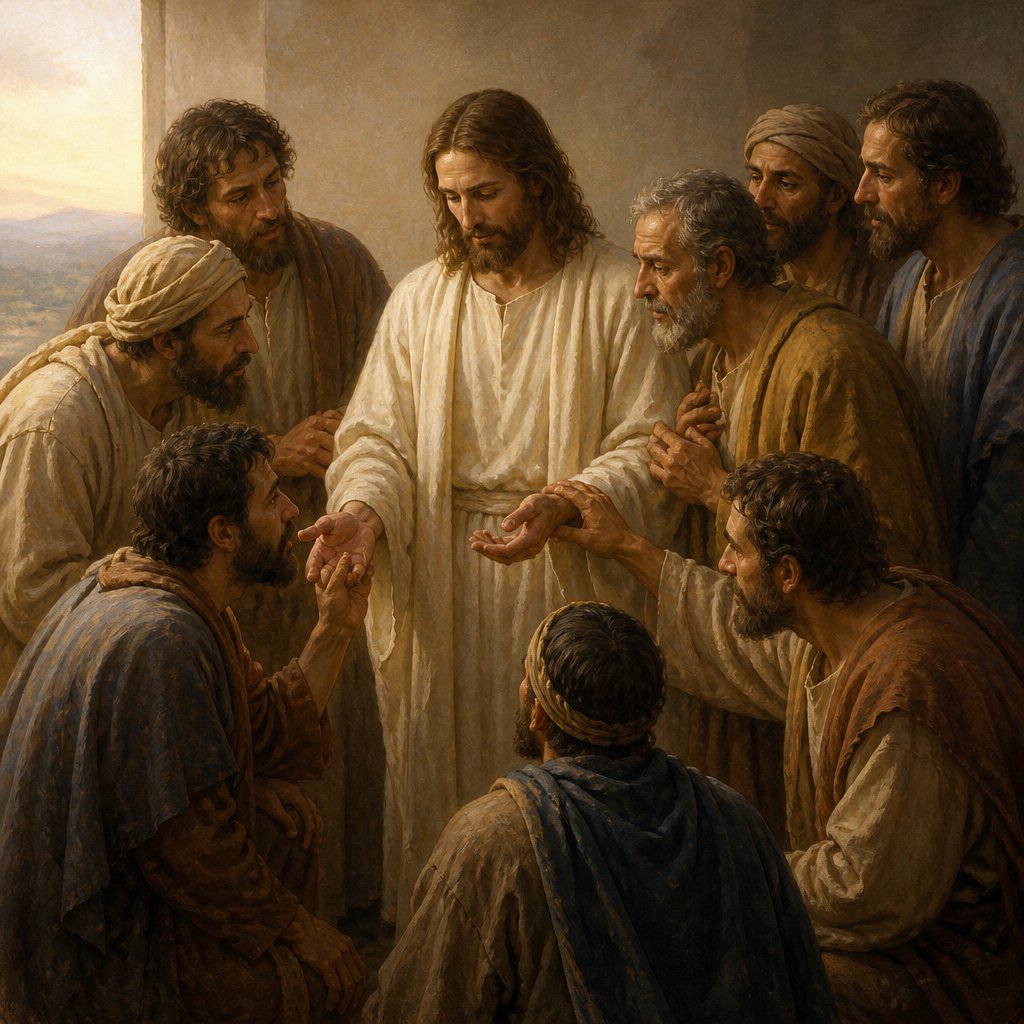
As we immerse ourselves in the rich tapestry of scripture, 1 John 1:1 stands as a profound proclamation of the truth about Jesus Christ—the Word of life. The verse states, "That which was from the beginning, which we have heard, which we have seen with our eyes, which we have looked upon, and our hands have handled, of the Word of life;" In this singular verse, John captures both testimony and theology, weaving together his experiences and the revelation of Christ in a way that speaks powerfully to believers today.
To fully grasp what it means to say, "That which was from the beginning," we must recognize the eternal nature of Christ. John draws us back to the very foundations of creation, reminding us that Christ is not merely a figure who appeared 2,000 years ago. In the Gospel of John, he emphasizes this eternal aspect distinctly: "In the beginning was the Word, and the Word was with God, and the Word was God" (John 1:1). Here, John asserts that Jesus transcends time and space. He existed before all things, and through Him, all things were created. This foundational truth is crucial for our faith; it affirms that Jesus is the Alpha and the Omega, the eternal Creator who holds all life in His hands.
John's phrasing, "which we have heard," speaks to the intimate relationship between the disciples and Jesus. They did not merely hear about Him; they listened to His teachings, absorbed His wisdom, and understood His message firsthand. As believers today, we are invited to step into this relationship of communion and conversation. God speaks through His Word, and His voice echoes through the ages. Are we tuning our ears to hear Him? In a world filled with noise and distraction, we must cultivate a sensitivity to the whispers of the Holy Spirit within our hearts.
Moreover, the phrase "which we have seen with our eyes" indicates the tangible reality of Christ's incarnation. The apostles were witnesses to the fullness of His divinity manifest in human form. They saw miracles, experienced His compassion, and bore witness to His resurrected glory. This direct experience is not just a historical anecdote; it is an invitation for us to seek a personal encounter with the living Christ. Are we seeking Him with the same earnestness as the early disciples? Jesus promised, "Seek, and ye shall find" (Matthew 7:7). If we yearn to experience His presence, we must actively seek it with open hearts and minds.
The phrase "which we have looked upon" further emphasizes the depth of connection the apostles had with Jesus. It denotes a deeper observation, a contemplation that goes beyond mere sight. This invitation to look upon Him encourages us to ponder His attributes—His mercy, love, grace, and righteousness. As we meditate on God's Word, we can gain insight into His character, becoming transformed by it. Paul writes in 2 Corinthians 3:18 about being transformed into the same image as we gaze upon the glory of the Lord. This transformation comes through active contemplation, leading us away from superficiality in our faith toward a vibrant, authentic relationship with Christ.
Finally, John powerfully asserts, "and our hands have handled, of the Word of life." Here, he draws upon the physicality of Jesus. The disciples touched Him; they felt the warmth of His embrace and the strength of His presence. Our faith is rooted in a God who desires to be engaged with us holistically. He meets us in our emotional, physical, and spiritual needs. God did not come to create a divide but to bridge the chasm between humanity and divinity through Christ.
In closing, let us embrace this rich testament that John provides: Christ was present at the beginning, tangible in His existence, alive in His teachings, and accessible to our touch. As we reflect on this verse, let us rekindle our desire to hear, see, and touch the Word of life in our daily lives, inviting His transformative power into our hearts.
Get our apps


Artwork for 1 John 1:1

1 John 1:1 - "That which was from the beginning, which we have heard, which we have seen with our eyes, which we have looked upon, and our hands have handled, of the Word of life;"
"That which was from the beginning, which we have heard, which we have seen with our eyes, which we have looked upon, and our hands have handled, of the Word of life;" - 1 John 1:1

John 1:1

John 1:1

John 1:1

john 1:1

John 1:1

John 1:1

John 1:1

John 1:1

John 1:1

John 1:1

John 1:1

John 1:1

john 1:1

John 1:1-5

John 1:1-2

John 1:1-5

1 John 1:9

John 1:1-2

John 1:1-2

1 John 3:1-3

John 1:1-2

John 1:1-2

John 1:1 “In the beginning was the Word, and the Word was with God, and the Word was God.”

John 1:1 “In the beginning was the Word, and the Word was with God, and the Word was God.”

John 1:1 “In the beginning was the Word, and the Word was with God, and the Word was God.”

John 1:1 - "In the beginning was the Word, and the Word was with God, and the Word was God."

1 John 2:27

John 1:1 “In the beginning was the Word, and the Word was with God, and the Word was God.”