The Timeless Call to Love: Returning to the Old Commandment
“Brethren, I write no new commandment unto you, but an old commandment which ye had from the beginning. The old commandment is the word which ye have heard from the beginning.” — 1 John 2:7
In the landscape of Christian faith, the importance of love cannot be overstated. The Apostle John, in his first epistle, makes a poignant declaration in 1 John 2:7 (KJV): "Brethren, I write no new commandment unto you, but an old commandment which ye had from the beginning. The old commandment is the word which ye have heard from the beginning." This verse invites us into a profound reflection not only on the commandment of love but also on the significance of returning to our roots—understanding the essence of our faith, as prescribed from the very beginnings of our walk with Christ.
John opens with the address "Brethren," immediately establishing a tone of familial warmth and inclusivity. In this brief term, we catch a glimpse of the collective identity he shares with his readers—those who are part of the body of Christ. It reminds us that our faith is not merely an individual endeavor, but a communal journey characterized by relationships grounded in love. By calling us brethren, John emphasizes that followers of Christ are united in purpose and spirit, intertwining our lives as we navigate the complexities of faith together.
Next, John declares that he is not presenting a new commandment, which is critical to our understanding. The commandment to love one another may sound familiar to us, yet it embodies principles that are rooted deeply within the history of Israel and the teachings of Jesus Christ. In Leviticus 19:18, we find the command, "Thou shalt love thy neighbour as thyself." Jesus reiterated this commandment in the New Testament, giving it fresh vitality through His life and sacrifice. John is reminding us that the essence of our calling has not changed; the commandment to love is both timeless and foundational.
What we often overlook is the weight of the call to love embedded in John's words. It is an ancient commandment that ties us back to the essence of God’s character. Love is not just a suggestion; it is the very fabric of God’s being. God is love (1 John 4:8), and as His children, we are invited to mirror that love in our interactions with others. The call to love transcends time, culture, and circumstance, demanding that we embody it in our day-to-day lives.
Yet, this commandment also raises a vital question: why does John emphasize that it is "from the beginning"? Perhaps he is beckoning us to refocus—not merely on the act of loving but on why it matters. When we consider the commandment an old one, we are reminded of the countless faithful who have walked this path before us, demonstrating that love is the hallmark of true discipleship. It serves as a bridge, binding generations of believers together in a tapestry of faith that glorifies God and extends His kingdom.
However, as modern believers, we must confront the challenge that binds us in our walk. Society often distorts the meaning of love, designing it to fit self-centered narratives. John urges us to circle back to the word we have heard from the beginning—an antidote to cultural distortions. Love, as Christ exemplified, is sacrificial, unconditional, and redemptive. It pushes us beyond mere tolerance towards a deep-seated commitment to the well-being of others, emphasizing action over sentiment.
As we meditate on this scripture, let us return to the fundamental truths of our faith—love is not merely about feelings; it is about commitment, action, and relationship. Endeavor to embrace this command in a world that desperately needs the love of Christ. Seek ways to love those around you unapologetically and authentically. Revisit the scriptures, pray fervently, and let your heart reflect the heart of Christ, rekindling the old calling in our lives and communities.
Get our apps


Artwork for 1 John 2:7

1 John 2:7 - "Brethren, I write no new commandment unto you, but an old commandment which ye had from the beginning. The old commandment is the word which ye have heard from the beginning."
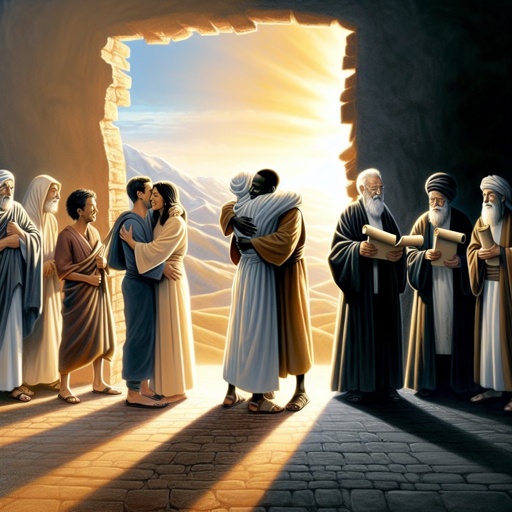
1 John 2:7-11 - "Brethren, I write no new commandment unto you, but an old commandment which ye had from the beginning. The old commandment is the word which ye have heard from the beginning. Again, a new commandment I write unto you, which thing is true in him and in you: because the darkness is past, and the true light now shineth. He that saith he is in the light, and hateth his brother, is in darkness even until now. He that loveth his brother abideth in the light, and there is none occasion of stumbling in him. But he that hateth his brother is in darkness, and walketh in darkness, and knoweth not whither he goeth, because that darkness hath blinded his eyes."

"Brethren, I write no new commandment unto you, but an old commandment which ye had from the beginning. The old commandment is the word which ye have heard from the beginning." - 1 John 2:7
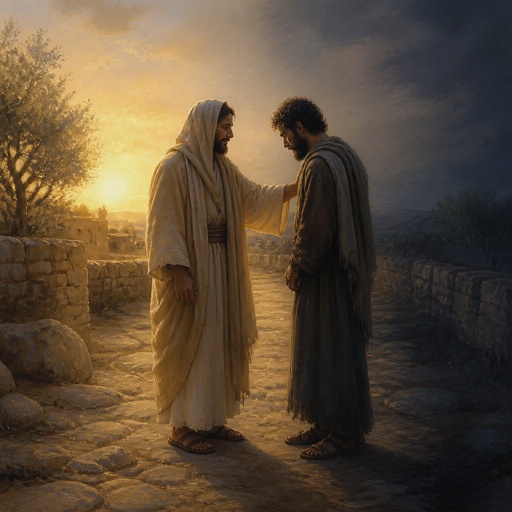
"Brethren, I write no new commandment unto you, but an old commandment which ye had from the beginning. The old commandment is the word which ye have heard from the beginning. Again, a new commandment I write unto you, which thing is true in him and in you: because the darkness is past, and the true light now shineth. He that saith he is in the light, and hateth his brother, is in darkness even until now. He that loveth his brother abideth in the light, and there is none occasion of stumbling in him. But he that hateth his brother is in darkness, and walketh in darkness, and knoweth not whither he goeth, because that darkness hath blinded his eyes." - 1 John 2:7-11

1 John 2:27

1 John 2:14

1 John 2:14

1 John 2:27

1 John 2:27

1 John 2:27

2 John 1:7 - "For many deceivers are entered into the world, who confess not that Jesus Christ is come in the flesh. This is a deceiver and an antichrist."

John 2:7 - "Jesus saith unto them, Fill the waterpots with water. And they filled them up to the brim."

1 John 2:26 - "These things have I written unto you concerning them that seduce you."

1 John 2:20 - "But ye have an unction from the Holy One, and ye know all things."

1 John 2:3 - "And hereby we do know that we know him, if we keep his commandments."

1 John 2:25 - "And this is the promise that he hath promised us, even eternal life."

John 7:38

1 John 2:12 - "I write unto you, little children, because your sins are forgiven you for his name's sake."

John 7:2 - "Now the Jews' feast of tabernacles was at hand."

1 John 2:10 - "He that loveth his brother abideth in the light, and there is none occasion of stumbling in him."

1 John 2:9 - "He that saith he is in the light, and hateth his brother, is in darkness even until now."

1 John 2:23 - "Whosoever denieth the Son, the same hath not the Father: (but) he that acknowledgeth the Son hath the Father also."

1 John 2:6 - "He that saith he abideth in him ought himself also so to walk, even as he walked."

1 John 2:29 - "If ye know that he is righteous, ye know that every one that doeth righteousness is born of him."
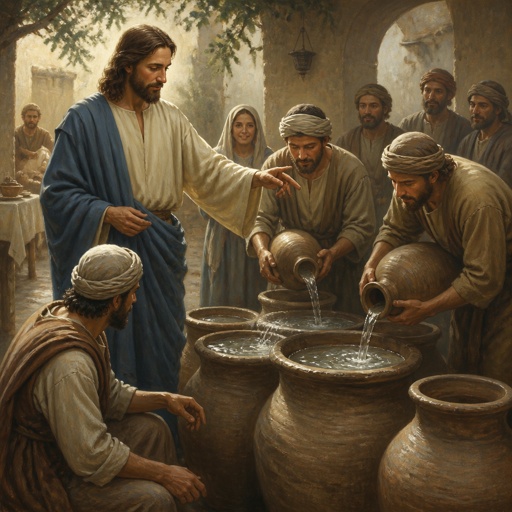
"Jesus saith unto them, Fill the waterpots with water. And they filled them up to the brim." - John 2:7

1 John 2:17 - "And the world passeth away, and the lust thereof: but he that doeth the will of God abideth for ever."

John 1:1-2

John 1:1-2

1 John 2:4 - "He that saith, I know him, and keepeth not his commandments, is a liar, and the truth is not in him."

1 John 2:2 - "And he is the propitiation for our sins: and not for our's only, but also for the sins of the whole world."