The Sacred Commitment: Upholding Our Convictions
“And he said, I may not return with thee, nor go in with thee: neither will I eat bread nor drink water with thee in this place:” — 1 Kings 13:16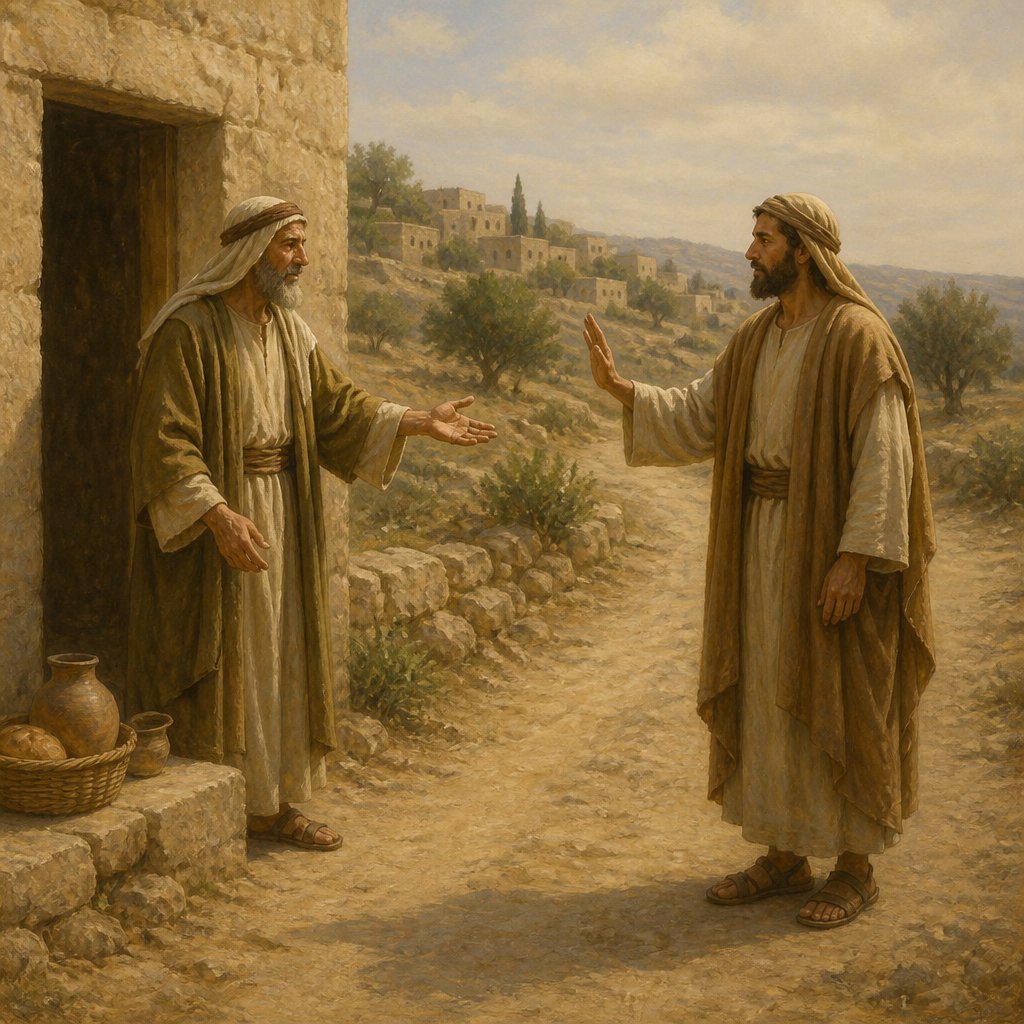
In the account of 1 Kings 13, we are presented with a striking narrative of obedience and temptation. The verse 1 Kings 13:16 states, "And he said, I may not return with thee, nor go in with thee: neither will I eat bread nor drink water with thee in this place." This declaration made by the man of God reflects a profound commitment to God’s word and an awareness of the sacredness of his mission.
To grasp the significance of this moment, we must understand the context. God had sent a prophet from Judah to deliver a message to King Jeroboam. This man was instructed not to eat bread or drink water in the land nor return the same way he had come (1 Kings 13:9). It was a clear and precise command rooted in the divine purpose he was to fulfill. Through obedience, he was to serve as a witness against the idolatry and corruption happening under Jeroboam's rule.
However, the man of God encountered an unexpected character, an older prophet who resided in Bethel. This more experienced prophet seduced the young prophet with a false prophecy, claiming God had told him to have the man of God return and eat with him (1 Kings 13:18). This marks a pivotal moment where the young prophet stands at a crossroads, his conviction put to the test.
In saying, "I may not return with thee, nor go in with thee: neither will I eat bread nor drink water with thee in this place," he demonstrates not merely an adherence to the specific command he received but an understanding of the broader implications of his actions. He recognizes that returning to intimacy with the very environment he was meant to condemn would undermine the credibility of God’s message and his mission.
This narrative invites us to reflect on our own discernment in matters of faith and life. God’s calling often comes with directives that can feel isolating, especially in a world that frequently promotes the idea of flexibility over fidelity. We are constantly bombarded by messages that challenge our convictions, sometimes from those who wear the cloak of faith. Just as the young prophet in this story faced an enticing invitation, we too face temptations to compromise our beliefs—often wrapped in seemingly benign circumstances. Whether it is pressure at work, social expectations, or even familial ties, these invitations can lead to a dilution of our commitment to God’s truth.
The essence of the young prophet’s response teaches us that there are times when we must firmly stand our ground, regardless of the persuasive eloquence or societal acceptance around us. His refusal was not borne out of arrogance or stubbornness but from reverence for God's original command. In a world swayed by relativism, our faith requires steadfastness, being willing to stand alone if necessary. It challenges us to ask how resolute we are in our faith and convictions.
Moreover, the young prophet’s plight teaches us the dangers of isolation from a community rooted in truth. Had he been anchored among faithful companions who held him accountable, perhaps he would have been strengthened to resist the temptation. Fellowship with believers who encourage and challenge us in our walk can act as our guard against compromise.
In conclusion, 1 Kings 13:16 serves as a poignant reminder of the importance of adhering to God's directives with unwavering fidelity. Our spiritual journeys can often be fraught with temptation, but like the man of God, we must hold steadfastly to our commitments. May we find our strength in the truth of God's Word, encouraging one another to resist the allure of compromise, firmly keeping our eyes fixed on the path He has set before us.
Get our apps


Artwork for 1 Kings 13:16

1 Kings 13:16 - "And he said, I may not return with thee, nor go in with thee: neither will I eat bread nor drink water with thee in this place:"
"And he said, I may not return with thee, nor go in with thee: neither will I eat bread nor drink water with thee in this place:" - 1 Kings 13:16
1 Kings 16:13 - "For all the sins of Baasha, and the sins of Elah his son, by which they sinned, and by which they made Israel to sin, in provoking the LORD God of Israel to anger with their vanities."

Proverbs 16:13 - "Righteous lips are the delight of kings; and they love him that speaketh right."

1 Samuel 16:1–13

revelation 1:13-16

1 Kings 11:13

1 Kings 11:13

Luke 16:1-13

Revelations 1:13-16

Luke 16:1-13

Luke 16:1-13

1 Kings 20:16 - "And they went out at noon. But Ben-hadad was drinking himself drunk in the pavilions, he and the kings, the thirty and two kings that helped him."

Mark 10:13–16

1 Kings 16:14 - "Now the rest of the acts of Elah, and all that he did, are they not written in the book of the chronicles of the kings of Israel?"

1 Kings 6:11-13

1 kings 11:11-13

1 Kings 11:11-13

1 Kings 1:16 - "And Bath-sheba bowed, and did obeisance unto the king. And the king said, What wouldest thou?"

1 Kings 4:16 - "Baanah the son of Hushai was in Asher and in Aloth:"

1 Kings 16:1 - "Then the word of the LORD came to Jehu the son of Hanani against Baasha, saying,"

1 Kings 6:11-13

1 Kings 6:11-13

1 Kings 6:11-13

1 Kings 6:11-13

1 Kings 11:11-13

1 Kings 16:20 - "Now the rest of the acts of Zimri, and his treason that he wrought, are they not written in the book of the chronicles of the kings of Israel?"

1 Kings 16:5 - "Now the rest of the acts of Baasha, and what he did, and his might, are they not written in the book of the chronicles of the kings of Israel?"

1 Timothy 6:15-16 – "God, the blessed and only Ruler, the King of kings and Lord of lords."

1 Timothy 6:15-16 – "God, the blessed and only Ruler, the King of kings and Lord of lords."