The Temptation of Comfort: A Call to Discernment
“And the king said unto the man of God, Come home with me, and refresh thyself, and I will give thee a reward.” — 1 Kings 13:7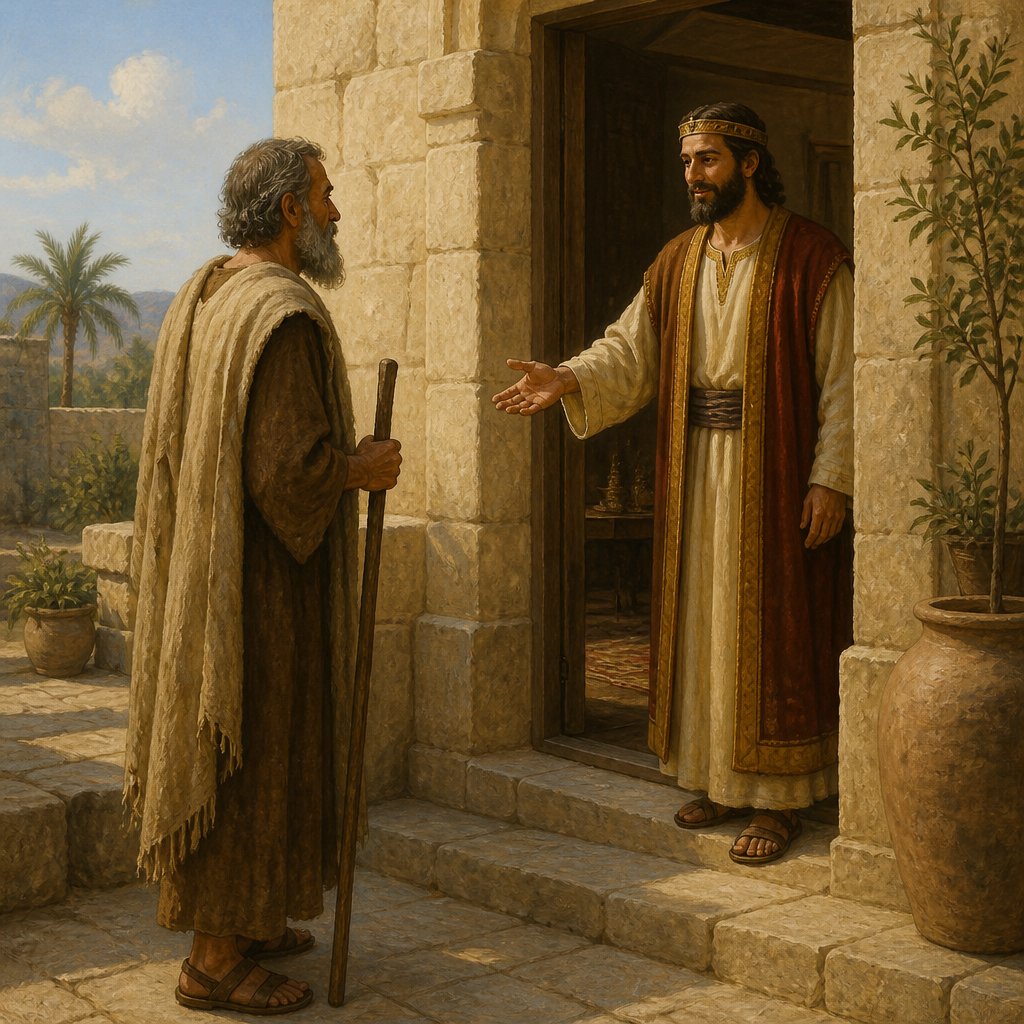
In the narrative of 1 Kings 13, we encounter a profound moment of temptation experienced by the man of God, who had been sent on a mission to prophesy against the altar of Jeroboam. The king, sensing the weight of the man’s words and the divine authority behind them, extends an invitation that sounds not only generous but also tempting: "And the king said unto the man of God, Come home with me, and refresh thyself, and I will give thee a reward" (1 Kings 13:7, KJV). This verse encapsulates a critical turning point in both the story and the life of the man of God; it beckons us to explore the nature of divine obedience and the subtle traps that can ensnare even the most devout servants of God as they navigate their spiritual journeys.
The man of God had been entrusted with a significant mission—delivering a powerful message of judgement to King Jeroboam, a man who had turned away from God and led the nation into idolatry. His task was not merely to proclaim a message but to act as a spiritual sentinel, guarding not only his own spiritual integrity but also the fate of the people he served. Yet, in an instant, a seemingly innocent invitation threatened this resolve.
The first lesson we glean from King Jeroboam's request is the seductive nature of comfort and recognition. The king's offer to refresh and reward the man of God resonates with a universal human inclination: the desire for praise, sustenance, and acknowledgment. It is easy to be drawn into the allure of temporary comforts that promise relief from the burdens of our spiritual responsibilities. The temptation to exchange our commitment to God's commandments for the cozy embrace of human approval may seem innocuous at first, yet its consequences can be dire, leading us away from our divine purpose.
In response to Jeroboam's invitation, the man of God boldly states that he cannot go with the king, for he has received a specific command from the Lord. Despite the apparent kindness enshrined in the king's words, the man of God understood the necessity of adhering to divine instructions. This brings us to the second vital lesson of this encounter: **discernment**. In our spiritual lives, discernment is crucial; it helps us distinguish between what appears to be good and what is truly God's will. Too often, we find ourselves vacillating between personal desires and divine callings, caught in the tension of societal pressures versus heavenly expectations. The man of God’s determination to follow God’s directive over Jeroboam’s flattering invite illustrates how vital it is to anchor ourselves in prayer and God’s Word. We must seek wisdom, prioritizing God's plans for us instead of being swayed by momentary satisfaction or earthly recognition.
It is also important to note that shortly after this interaction, the story takes a tragic turn. Ultimately, the man of God is deceived by another prophet who misrepresents God’s message, leading to his catastrophic downfall. This reality starkly illustrates the peril of losing focus and failing to stand firm against spiritual compromise. When we abandon what is right in pursuit of comfort, we risk walking into snares designed to lead us astray.
As we reflect on 1 Kings 13:7, let us remember the importance of staying grounded in our faith and being vigilant against distractions that may arise. In times of temptation, we should not only hold fast to our commitment to God but also seek His wisdom to discern the invitations that come our way. True refreshment comes not from human accolades or rewards but from an unwavering relationship with God, which fills our spirit with joy and fortitude. May we always choose God's path over the tantalizing offers laid before us, recognizing that the reward of faithfulness far surpasses any earthly reward we might gain. Let us pray for the grace to stand firm in our convictions, grounded in the truth of God's Word.
Get our apps


Artwork for 1 Kings 13:7

1 Kings 13:7 - "And the king said unto the man of God, Come home with me, and refresh thyself, and I will give thee a reward."
"And the king said unto the man of God, Come home with me, and refresh thyself, and I will give thee a reward." - 1 Kings 13:7

1 Kings 7:13 - "¶ And king Solomon sent and fetched Hiram out of Tyre."
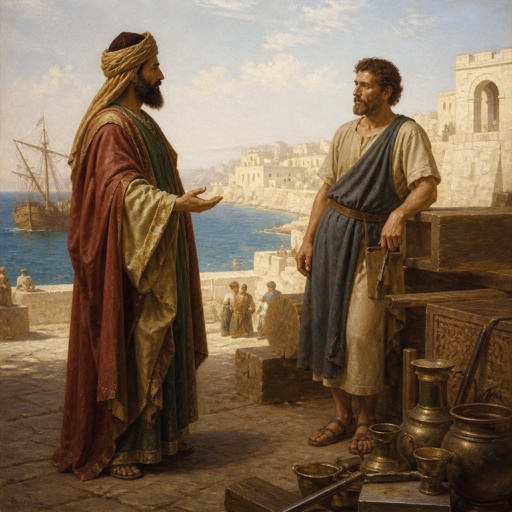
"¶ And king Solomon sent and fetched Hiram out of Tyre." - 1 Kings 7:13

1 Kings 11:13

1 Kings 11:13

1 Kings 7:27-38

1 kings 8:7

1 Kings 6:11-13

1 kings 11:11-13

1 Kings 11:11-13
1 kings 7:8

1 kings 8:7

1 Kings 8:7

1 Kings 6:11-13

1 Kings 6:11-13

1 Kings 6:11-13

1 Kings 6:11-13

1 Kings 11:11-13

1 Kings 7:27-38

1 Kings 7:43 - "And the ten bases, and ten lavers on the bases;"

1 Kings 13:13 - "And he said unto his sons, Saddle me the ass. So they saddled him the ass: and he rode thereon,"

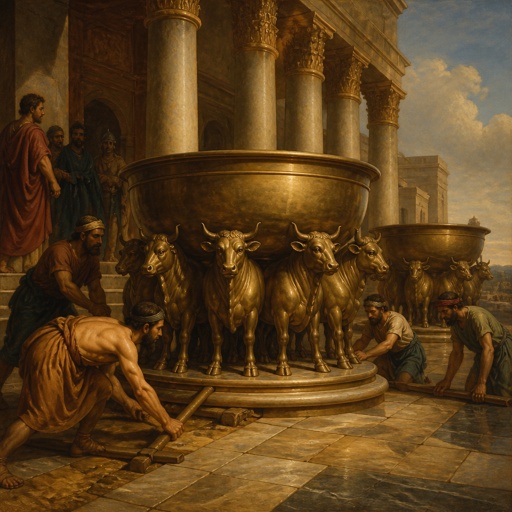
1 Kings 7:44 - "And one sea, and twelve oxen under the sea;"

1 Kings 12:13 - "And the king answered the people roughly, and forsook the old men's counsel that they gave him;"

1 Corinthians 13:4-7

1 Corinthians 13:4-7

1 Corinthians 13:4-7

Combine the authority theme described in Romans 13:1-7 and Revelation 13:1-10.

1 Kings 13:15 - "Then he said unto him, Come home with me, and eat bread."

1 Corinthians 13:4-7