The Sovereignty of God in Judgment and Mercy
"And it came to pass, when he reigned, that he smote all the house of Jeroboam; he left not to Jeroboam any that breathed, until he had destroyed him, according unto the saying of the LORD, which he spake by his servant Ahijah the Shilonite:" - 1 Kings 15:29
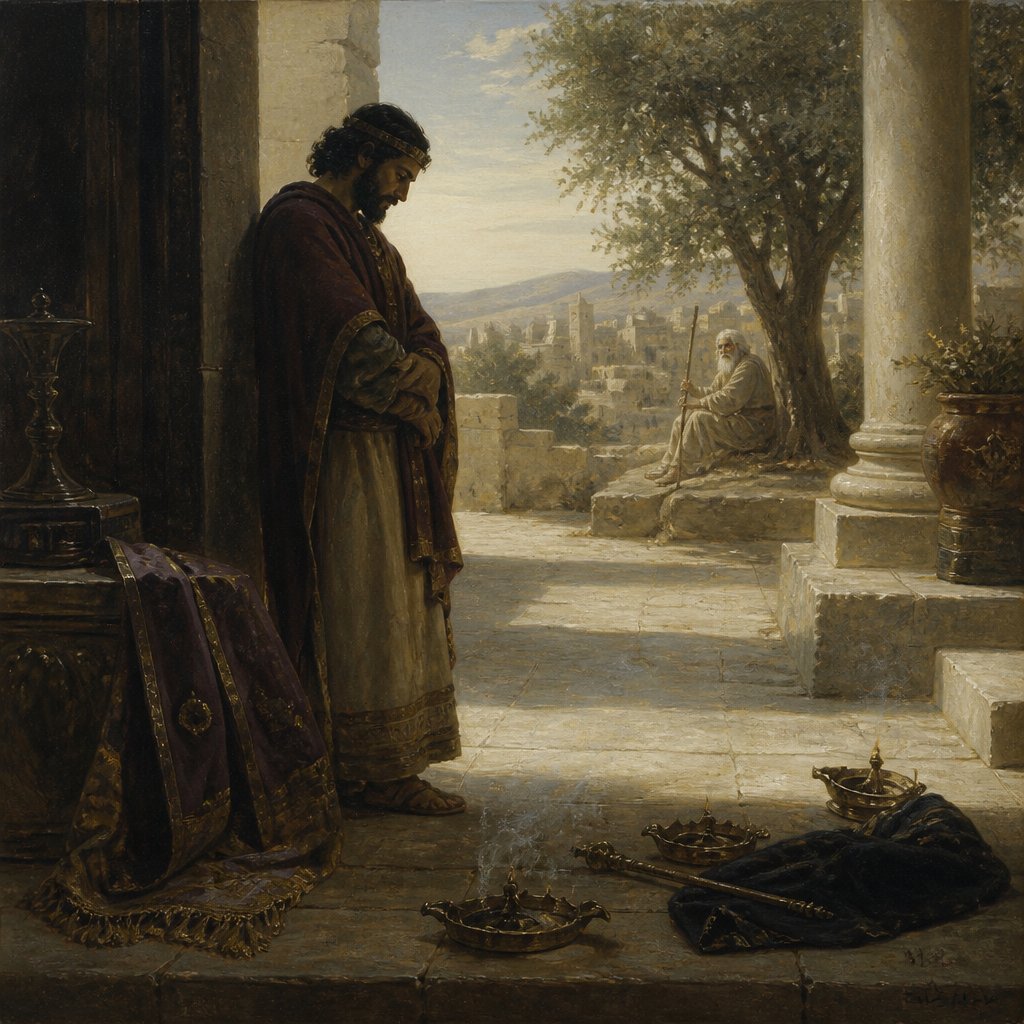
In the annals of the Old Testament, we encounter a myriad of stories that demonstrate the great power, sovereignty, and judgment of God. One such instance is recorded in 1 Kings 15:29, which states, "And it came to pass, when he reigned, that he smote all the house of Jeroboam; he left not to Jeroboam any that breathed, until he had destroyed him, according unto the saying of the LORD, which he spake by his servant Ahijah the Shilonite." This verse encapsulates not only the judgment upon Jeroboam's house but also the meticulous fulfillment of God’s word as spoken through His prophet.
To grasp the weight of this scripture, we must first understand the context surrounding Jeroboam, who was the first king of the northern kingdom of Israel. His reign was marked by a significant departure from the worship of the True God, leading the people into idolatry. Jeroboam’s sin was not merely a personal failing; it had grave implications for the entire nation. The Lord, in His justice, foretold the downfall of Jeroboam’s lineage, as revealed to the prophet Ahijah, who served as God’s mouthpiece.
The harsh reality of God’s judgment on the house of Jeroboam is a sobering reminder of the consequences of turning away from Him. It reflects the principle that sin has both personal and communal repercussions. As believers, we are reminded in Romans 6:23 that "the wages of sin is death," echoing the biblical narrative that God is serious about sin and its consequences. Jeroboam's legacy serves as a cautionary tale about the importance of faithfulness to God, underscoring that disobedience leads to destruction.
Moreover, this passage illustrates God’s control over history and the unfolding of His plans. It is a comfort to know that God is not passive; He actively ordains the events that shape the world. The destruction of Jeroboam's house was not a random act of violence; it was a planned act of divine justice executed in accordance with God's will. This demonstrates the truth that God does not overlook sin, and though His timing may seem delayed, His justice is inevitable.
Yet, within the harshness of this judgment, we also find a glimmer of hope and a call to repentance. The severe action taken against Jeroboam’s house is a stark reminder of what happens when a leader leads a nation astray. As we reflect on the state of our world today, we must consider our own roles within our communities, families, and churches. How are we influencing those around us? Are we leading others towards a deeper relationship with God, or are we, like Jeroboam, contributing to a culture of idolatry by prioritizing worldly values?
God's judgment is never void of mercy. The destruction of Jeroboam was necessary to restore righteousness and purity within Israel. It paved the way for eventual leaders who would seek after God's own heart. Even in judgment, there is the overarching theme of mercy—a fresh opportunity for the nation to turn back to God and seek Him earnestly. As we pause to meditate on this verse, let it ignite within us a desire to live lives that honor God not just in word but in action.
As we conclude, let us fervently seek the Lord, acknowledging His justice and mercy. May we be inspired by the stories of biblical leaders who faltered yet ultimately sought redemption. Let us pray for wisdom and courage to stand firm in our faith and to guide others away from the idolatry that surrounds us. May our lives reflect the beauty of God's righteousness, instilling hope in a world that desperately needs it. In our own small ways, let us commit to serving the Lord, that future generations may witness a legacy of faith.
In essence, let the execution of God's judgment upon Jeroboam's household remind us that there is a time to reflect, repent, and return wholeheartedly to God, who desires not just our obedience but our love and devotion.
Want to reflect more on 1 Kings 15:29?
Continue your spiritual journey with Bible Chat — an AI-powered tool for exploring God's Word through conversation. Ask questions, discover connections, and deepen your understanding.
Get Our Apps


1 Kings 15:29 Artwork
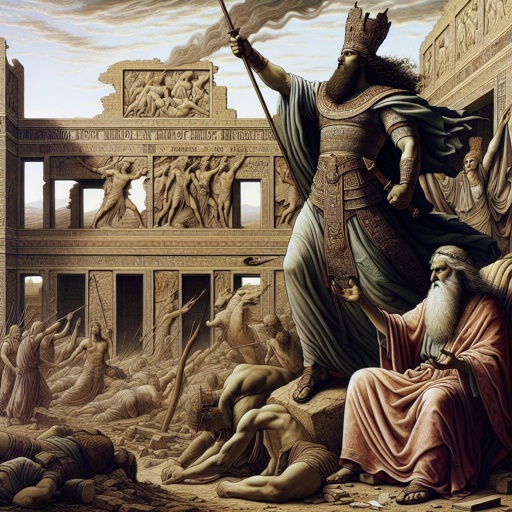
1 Kings 15:29 - "And it came to pass, when he reigned, that he smote all the house of Jeroboam; he left not to Jeroboam any that breathed, until he had destroyed him, according unto the saying of the LORD, which he spake by his servant Ahijah the Shilonite:"
"And it came to pass, when he reigned, that he smote all the house of Jeroboam; he left not to Jeroboam any that breathed, until he had destroyed him, according unto the saying of the LORD, which he spake by his servant Ahijah the Shilonite:" - 1 Kings 15:29

2 Kings 15:29 show the army and attack

1 Kings 11:29-32

1 Kings 14:29 - "¶ Now the rest of the acts of Rehoboam, and all that he did, are they not written in the book of the chronicles of the kings of Judah?"

1 Kings 1:29 - "And the king sware, and said, As the LORD liveth, that hath redeemed my soul out of all distress,"

1 Kings 22:29 - "So the king of Israel and Jehoshaphat the king of Judah went up to Ramoth-gilead."

1 Kings 12:29 - "And he set the one in Beth-el, and the other put he in Dan."

1 kings 3:15

1 kings 3:15

1 Kings 10:29 - "And a chariot came up and went out of Egypt for six hundred shekels of silver, and an horse for an hundred and fifty: and so for all the kings of the Hittites, and for the kings of Syria, did they bring them out by their means."

1 Samuel 15:29 - "And also the Strength of Israel will not lie nor repent: for he is not a man, that he should repent."

1 Kings 15:31 - "¶ Now the rest of the acts of Nadab, and all that he did, are they not written in the book of the chronicles of the kings of Israel?"

1 Kings 10:15 - "Beside that he had of the merchantmen, and of the traffick of the spice merchants, and of all the kings of Arabia, and of the governors of the country."

2 Kings 15:29 - "In the days of Pekah king of Israel came Tiglath-pileser king of Assyria, and took Ijon, and Abel-beth-maachah, and Janoah, and Kedesh, and Hazor, and Gilead, and Galilee, all the land of Naphtali, and carried them captive to Assyria."

1 Kings 15:1 - "Now in the eighteenth year of king Jeroboam the son of Nebat reigned Abijam over Judah."

1 Kings 4:29 - "¶ And God gave Solomon wisdom and understanding exceeding much, and largeness of heart, even as the sand that is on the sea shore."

1 Corinthians 15:29 - "Else what shall they do which are baptized for the dead, if the dead rise not at all? why are they then baptized for the dead?"

1 Timothy 6:15-16 – "God, the blessed and only Ruler, the King of kings and Lord of lords."

1 Kings 15:32 - "And there was war between Asa and Baasha king of Israel all their days."

1 Kings 15:16 - "¶ And there was war between Asa and Baasha king of Israel all their days."

1 Kings 11:1-5

1 Timothy 6:15-16 – "God, the blessed and only Ruler, the King of kings and Lord of lords."

1 Timothy 6:15-16 – "God, the blessed and only Ruler, the King of kings and Lord of lords."
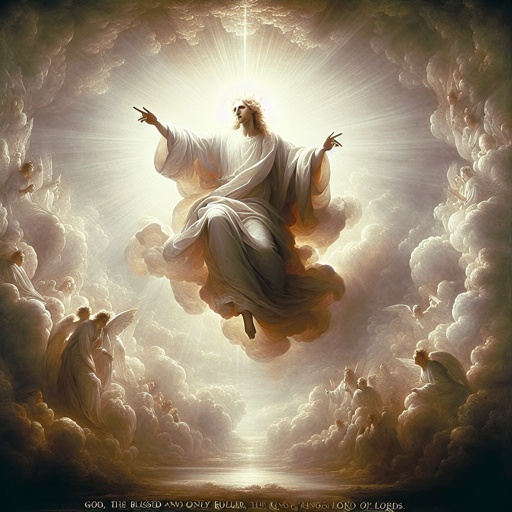
1 Timothy 6:15-16 – "God, the blessed and only Ruler, the King of kings and Lord of lords."

1 Kings 1:15 - "¶ And Bath-sheba went in unto the king into the chamber: and the king was very old; and Abishag the Shunammite ministered unto the king."

1 Kings 15:9 - "¶ And in the twentieth year of Jeroboam king of Israel reigned Asa over Judah."

1 Timothy 6:15-16 – "God, the blessed and only Ruler, the King of kings and Lord of lords."

1 Kings 15:7 - "Now the rest of the acts of Abijam, and all that he did, are they not written in the book of the chronicles of the kings of Judah? And there was war between Abijam and Jeroboam."

1 Chronicles 29:15 - "For we are strangers before thee, and sojourners, as were all our fathers: our days on the earth are as a shadow, and there is none abiding."