From Legacy to Leadership: The Transition of Asa
“And Abijam slept with his fathers; and they buried him in the city of David: and Asa his son reigned in his stead.” — 1 Kings 15:8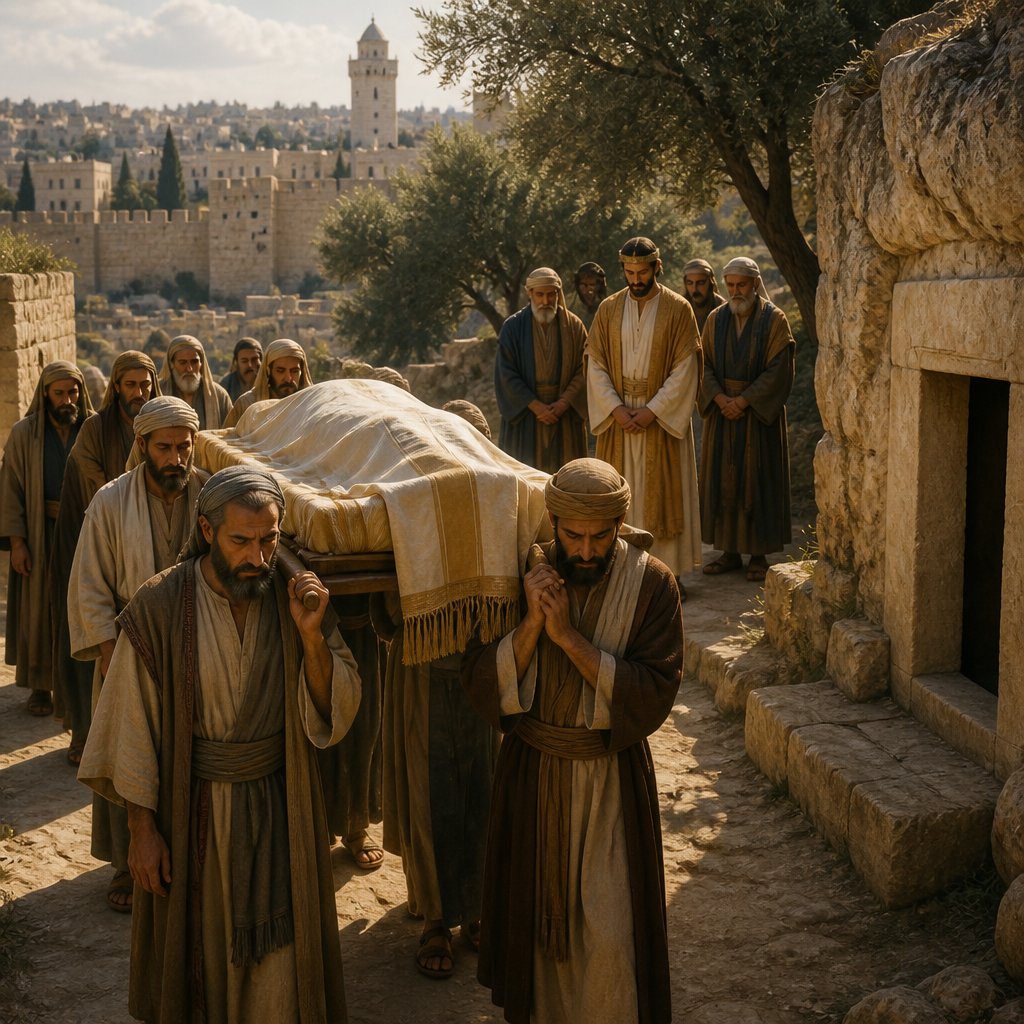
As we dive into the depths of 1 Kings 15:8, we encounter a significant moment in the history of the Kingdom of Judah: "And Abijam slept with his fathers; and they buried him in the city of David: and Asa his son reigned in his stead." This verse, while succinct, encapsulates the poignant transitions of leadership, legacy, and the divine purpose that accompanies each generational shift.
Abijam's reign was marked by a tumultuous struggle and a life that was not wholly devoted to God. He was a product of his environment, having inherited a kingdom besieged by the influence of his father, Rehoboam, and the weight of his forefathers' failures. His decision to stray from the ways of the Lord, as highlighted throughout 1 Kings, set a precedent of disobedience that would affect the spiritual state of the nation. Yet, despite his shortcomings, Abijam is honored by being 'buried in the city of David,' a reminder that no matter our failings, there may yet be a place of rest and recognition in God's community.
As we reflect on Abijam’s legacy, we are reminded of the profound impact each generation has on the next. The lineage of David was intended to shine brightly as a testament to God's covenant. Yet, the choices made by Abijam set the stage for Asa, a leadership transition that would challenge and transform the status quo. In God’s divine plan, Asa would rise to become one of the most notable kings of Judah, initiating a spiritual reformation and returning the people to the worship of the one true God.
The shift from Abijam to Asa is a powerful narrative of hope and renewal. Asa’s ascent denotes an opportunity for repentance and revival. As we consider Asa, it is crucial to grasp the ‘in his stead’ aspect of this transition. Asa did not simply inherit a throne; he took on the mantle of responsibility and was called to lead the people back to righteousness. This call is echoed throughout Scripture, demonstrating how God consistently seeks to bring forth leaders who will honor Him and guide their people in truth.
As Christian believers, we too find ourselves in a similar landscape, inheriting a legacy that may or may not reflect our values or faith. We are encouraged to respond to the call of God in our own lives as Asa did. In our secular world, where faith is sometimes sidelined, embracing our relationship with God carries the potential to influence the lives around us.
Moreover, Asa’s reign was distinguished by his immediate actions against idolatry. 1 Kings 15:12 says, "And he took away the sodomites out of the land, and removed all the idols that his fathers had made." Asa’s commitment to purity and obedience to God serves as a standard for all believers. The challenges we face in our spiritual walk may seem overwhelming; however, Asa’s story reminds us that we have the power to break chains and remove hindrances to worship.
In leading through uncertainty, Asa purged the kingdom of distractions and called the citizens back to seeking the Lord wholeheartedly. His courageous actions ushered in national revival and restoration. The testimony of Asa challenges us to consider what we are doing in our current era. Are we ready to accept the mantle of leadership in faith, to pave the way for others to follow Christ?
In closing, as we reflect on 1 Kings 15:8 and the transition of leadership from Abijam to Asa, let us recognize that our legacies can be transformed. No matter the background we inherit—be it a lack of faith, spiritual complacency, or moral compromise—God can raise us up for His purposes. Like Asa, may we take up the challenge with courage and commitment, purging out the old and making way for a new legacy rooted in the knowledge and worship of the Lord.
Get our apps


Artwork for 1 Kings 15:8

1 Kings 15:8 - "And Abijam slept with his fathers; and they buried him in the city of David: and Asa his son reigned in his stead."
"And Abijam slept with his fathers; and they buried him in the city of David: and Asa his son reigned in his stead." - 1 Kings 15:8

1 Kings 8:15 - "And he said, Blessed be the LORD God of Israel, which spake with his mouth unto David my father, and hath with his hand fulfilled it, saying,"

Proverbs 8:15 - "By me kings reign, and princes decree justice."

1 Kings 8:6-8

1 kings 3:15

1 kings 3:15
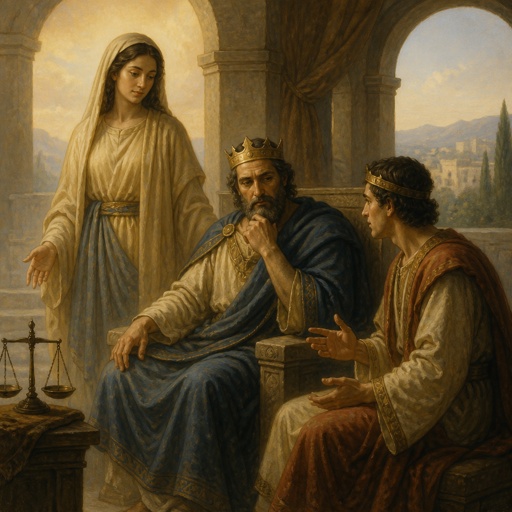
"By me kings reign, and princes decree justice." - Proverbs 8:15

1 Kings 8:10

1 kings 8:7

1 Kings 8:22

1 Kings 8:21

1 Kings 8:10
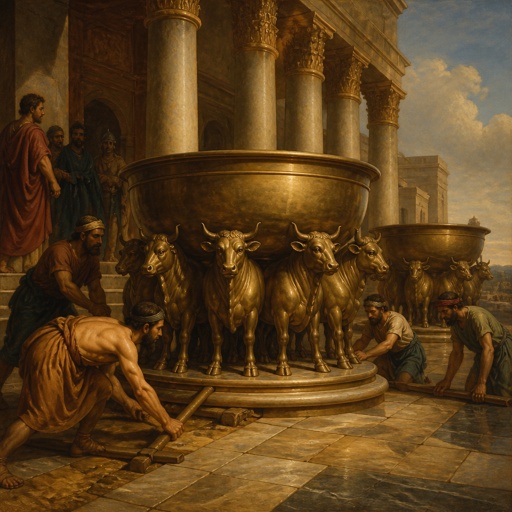
1 kings 7:8

1 Kings 8:10

1 Kings 8:21

1 Kings 8:10

1 Kings 8:10

1 Kings 8:21

1 kings 8:7

1 Kings 8:7

1 Kings 8:10

1 Kings 8:21

1 Kings 8:10

2 Kings 15:8 - "¶ In the thirty and eighth year of Azariah king of Judah did Zachariah the son of Jeroboam reign over Israel in Samaria six months."

1 Kings 15:31 - "¶ Now the rest of the acts of Nadab, and all that he did, are they not written in the book of the chronicles of the kings of Israel?"

1 Kings 10:15 - "Beside that he had of the merchantmen, and of the traffick of the spice merchants, and of all the kings of Arabia, and of the governors of the country."

Exodus 8:1-15

1 Kings 15:1 - "Now in the eighteenth year of king Jeroboam the son of Nebat reigned Abijam over Judah."

John 15:1-8