The Weight of Sin and Grace: A Reflection on 1 Kings 17:18
“And she said unto Elijah, What have I to do with thee, O thou man of God? art thou come unto me to call my sin to remembrance, and to slay my son?” — 1 Kings 17:18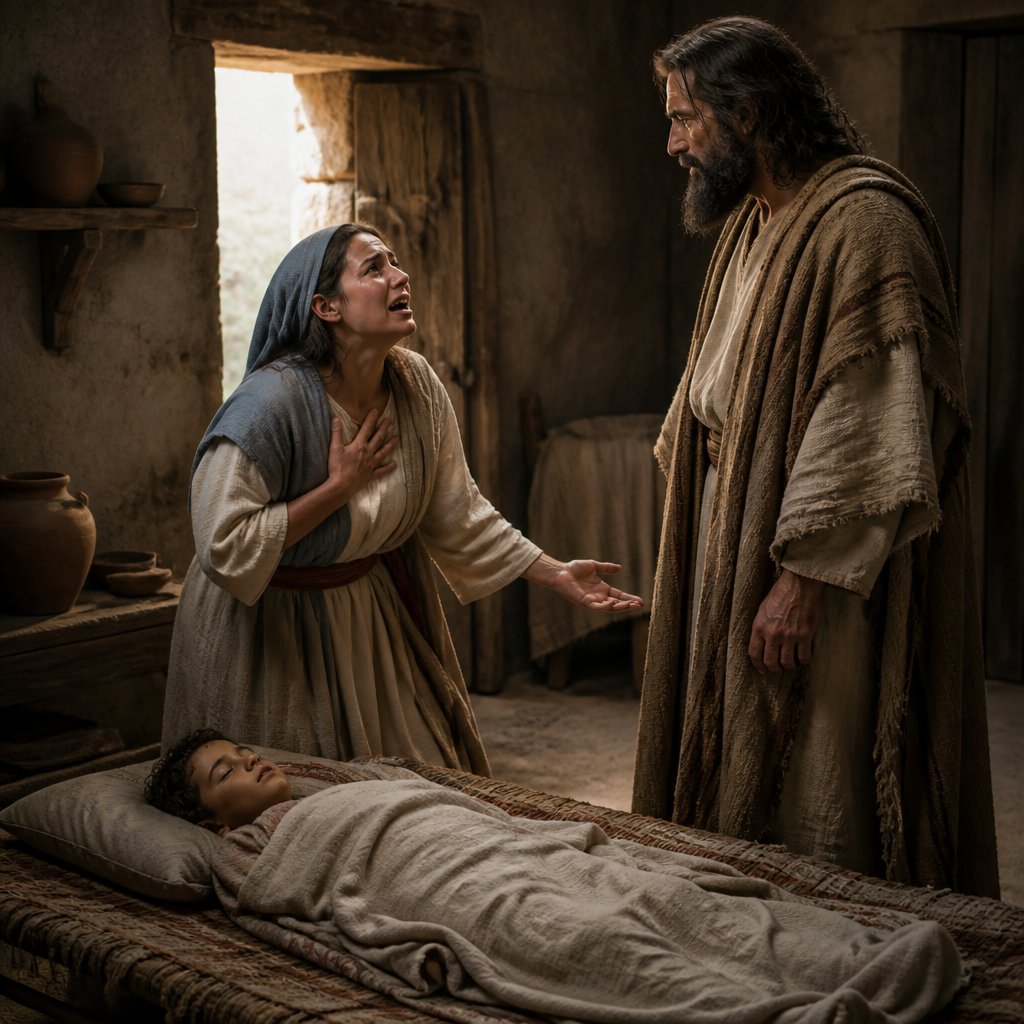
In the narrative found in 1 Kings 17, we encounter the profound and devastating moment when the widow of Zarephath, confronted with the death of her son, expresses her anguish to Elijah with the words, "What have I to do with thee, O thou man of God? art thou come unto me to call my sin to remembrance, and to slay my son?" (1 Kings 17:18, KJV). This verse encapsulates the complex interplay of guilt, grief, and divine intervention that afflicts the human experience.
As we delve deeper into this moment of despair, it is essential to understand the context surrounding this widow's statement. Elijah, the prophet of God, had been sent to this desolate woman who was gathering sticks to prepare her last meal for herself and her son. Their dire circumstances reflect a nation under drought, yet through the miraculous provision of God, her jar of flour and jug of oil did not run dry (1 Kings 17:14). In the midst of her suffering, she encountered God's grace and provision. Yet, when faced with the death of her beloved son, fears surface, and she questions the relationship between her sin and her current suffering.
Her outcry reveals a profound theological truth: our understanding of God’s justice is often shadowed by our awareness of our own sinfulness. The widow, feeling overwhelmed by the tragedy, assumes that her son’s death is a direct consequence of her past failures and shortcomings. This is an age-old struggle where we often misinterpret calamity as a punishment from God. Sin, in her mind, had intertwined with her grief, making her question whether the prophet’s presence was merely to unearth her guilt. In this moment, we recognize a common theme in humanity's narrative: the fear that our sins will catch up with us, leading to dire consequences.
Elijah does not respond in anger or condemnation, but rather with compassion. He humbles himself to the woman’s pain and intercedes on behalf of her son. In 1 Kings 17:21, Elijah cries out to the Lord, seeking restoration for the boy. This act becomes a profound illustration of grace — that despite her fears of condemnation, God is still willing to extend His mercy and healing. This portrayal of God through Elijah emphasizes a crucial aspect of our faith; God is not merely a figure waiting to punish us but is a loving Father who seeks to save and redeem.
In our lives, we too often carry the weight of our choices and the baggage of guilt. Like the widow, we may face trials that lead us to question our worth or our standing before God. However, in those moments, it is vital to remember that Jesus Christ has borne our sins on the cross (1 Peter 2:24), and through His resurrection, we have been offered redemption and life eternal. The gift of grace is not predicated upon our perfection or the absence of sin; rather, it is rooted firmly in God’s unchanging character — which calls us into relationship, despite our failures.
Reflecting on this verse encourages us to take our pain and confusion directly to God. We may feel like the widow at times, questioning our circumstances and fearing judgment. Nevertheless, our fears do not determine our reality in Christ. What we perceive as punishment can often be God's invitation to draw closer to Him, to seek His guidance, and to find solace in His grace.
As we meditate on the words of this widow, let us transform our guilt into confession and our sorrow into supplication. Let us not allow the shadows of our past sins to cloud our view of God's grace. May we approach God not with a mindset of fear but with one of trust, allowing Him to be our refuge and strength (Psalm 46:1). In both our need and our celebration, let us remember that God’s presence does not come to condemn, but to revive and renew.
Get our apps


Artwork for 1 Kings 17:18

1 Kings 17:18 - "And she said unto Elijah, What have I to do with thee, O thou man of God? art thou come unto me to call my sin to remembrance, and to slay my son?"
"And she said unto Elijah, What have I to do with thee, O thou man of God? art thou come unto me to call my sin to remembrance, and to slay my son?" - 1 Kings 17:18

1 Kings 18:17 - "¶ And it came to pass, when Ahab saw Elijah, that Ahab said unto him, Art thou he that troubleth Israel?"

Revelation 17:18 - "And the woman which thou sawest is that great city, which reigneth over the kings of the earth."

1 Kings 19:1-18

2 Kings 17:18 - "Therefore the LORD was very angry with Israel, and removed them out of his sight: there was none left but the tribe of Judah only."

1 Kings 4:17 - "Jehoshaphat the son of Paruah, in Issachar:"

1 Kings 4:18 - "Shimei the son of Elah, in Benjamin:"

1 Kings 9:18 - "And Baalath, and Tadmor in the wilderness, in the land,"

1 Esdras 1:17-18 (KJVA) 17 Thus were the things that belonged to the sacrifices of the Lord accomplished in that day, that they might hold the passover, 18 And offer sacrifices upon the altar of the Lord, according to the commandment of king Josias.
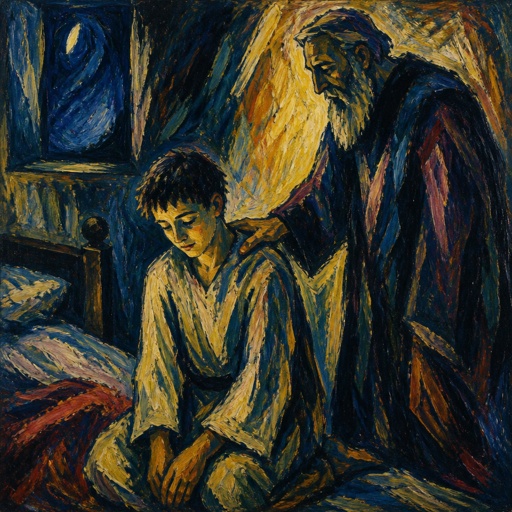
1 Samuel 3:17-18

1 Esdras 1:17-18 (KJVA) 17 Thus were the things that belonged to the sacrifices of the Lord accomplished in that day, that they might hold the passover, 18 And offer sacrifices upon the altar of the Lord, according to the commandment of king Josias.

2 Kings 1:18 - "Now the rest of the acts of Ahaziah which he did, are they not written in the book of the chronicles of the kings of Israel?"

1 Kings 1:18 - "And now, behold, Adonijah reigneth; and now, my lord the king, thou knowest it not:"
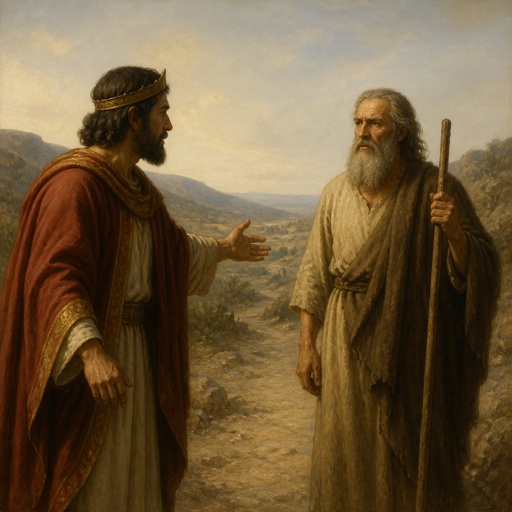
"¶ And it came to pass, when Ahab saw Elijah, that Ahab said unto him, Art thou he that troubleth Israel?" - 1 Kings 18:17

1 Kings 21:17 - "¶ And the word of the LORD came to Elijah the Tishbite, saying,"

1 Kings 17:8 - "¶ And the word of the LORD came unto him, saying,"

1 Kings 6:17 - "And the house, that is, the temple before it, was forty cubits long."

1 Kings 17:2 - "And the word of the LORD came unto him, saying,"

1 Kings 9:17 - "And Solomon built Gezer, and Beth-horon the nether,"

1 Kings 10:18 - "¶ Moreover the king made a great throne of ivory, and overlaid it with the best gold."

1 Kings 2:18 - "And Bath-sheba said, Well; I will speak for thee unto the king."

1 Kings 17:17 - "¶ And it came to pass after these things, that the son of the woman, the mistress of the house, fell sick; and his sickness was so sore, that there was no breath left in him."

1 Kings 18:2 - "And Elijah went to shew himself unto Ahab. And there was a sore famine in Samaria."

Elijah in the scene 1 Kings 18:36–38

1 Kings 16:17 - "And Omri went up from Gibbethon, and all Israel with him, and they besieged Tirzah."

1 Kings 12:17 - "But as for the children of Israel which dwelt in the cities of Judah, Rehoboam reigned over them."

1 Chronicles 18:17 - "And Benaiah the son of Jehoiada was over the Cherethites and the Pelethites; and the sons of David were chief about the king."

1 Kings 18:35 - "And the water ran round about the altar; and he filled the trench also with water."

1 Kings 18:11 - "And now thou sayest, Go, tell thy lord, Behold, Elijah is here."