When Fear Drives Us Away: A Life-Changing Journey
“And when he saw that, he arose, and went for his life, and came to Beer-sheba, which belongeth to Judah, and left his servant there.” — 1 Kings 19:3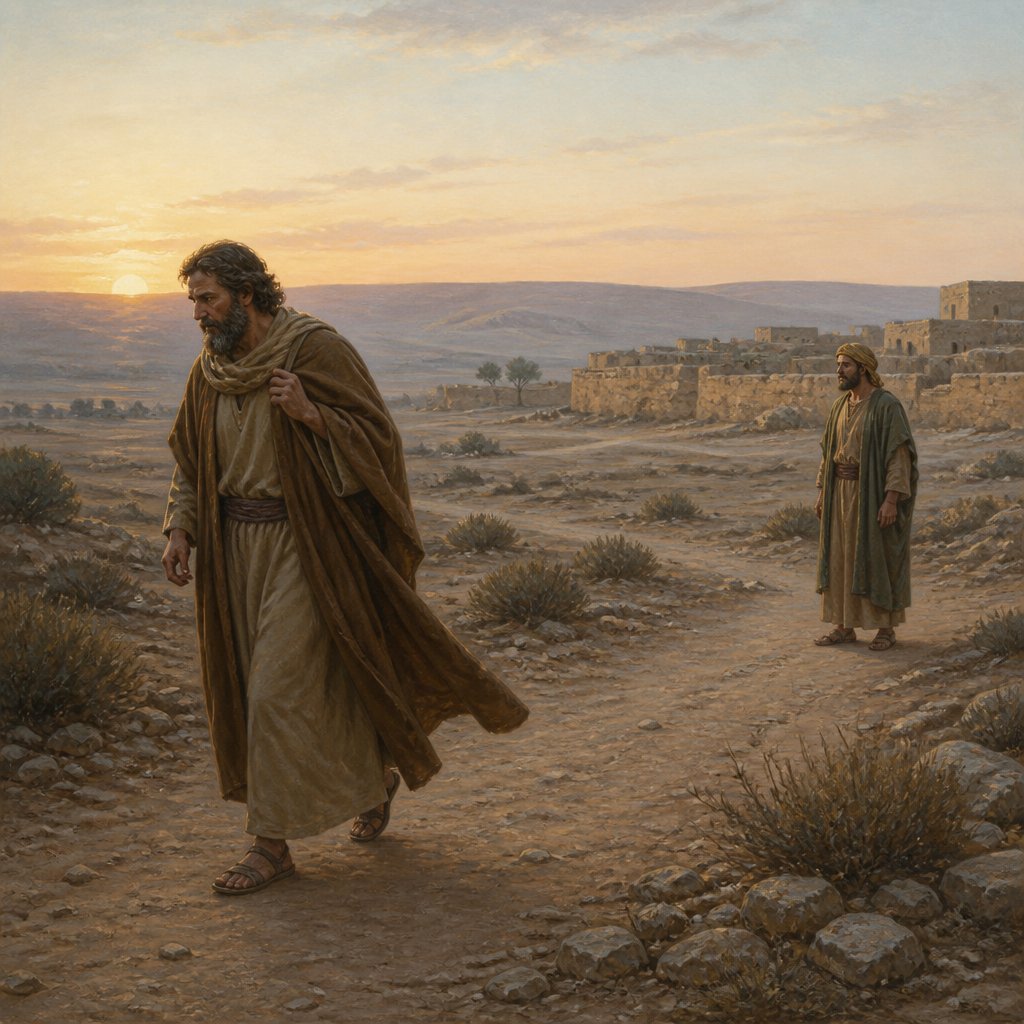
In 1 Kings 19:3, we read, "And when he saw that, he arose, and went for his life, and came to Beer-sheba, which belongeth to Judah, and left his servant there." This poignant moment in the life of the prophet Elijah unfolds after his triumphant victory over the prophets of Baal on Mount Carmel. One might expect such a victory to invigorate him, yet what follows is a profound display of human vulnerability, fear, and flight.
Elijah is a man full of faith, one who has witnessed the mighty hand of God in action. His recent victory over the 450 prophets of Baal demonstrates his unwavering confidence in God’s power. Yet, despite such an exhilarating display of divine intervention, it takes only one message from Queen Jezebel to unravel Elijah’s courage. The threat was simple yet powerful: “By this time tomorrow, I will make your life like one of those prophets.” In this moment, fear takes root in Elijah’s heart, and he is driven to flee for his life.
When we read this account, we may wonder how someone who has experienced such intimacy with God could succumb to fear. However, Elijah’s story reminds us of a great truth: our faith does not exempt us from fear. Fear is a common human experience. It can arise in the aftermath of success as easily as it can after failure. Even the most faithful among us can feel overwhelmed when confronted with threats to our safety, well-being, or peace.
Elijah’s journey to Beer-sheba symbolizes more than just a physical flight; it is also an emotional and spiritual retreat. He leaves behind his servant, a faithful companion in ministry, symbolizing perhaps a withdrawal from community and support. Fear often isolates us, making us retreat further into ourselves.
Here, we must ask ourselves: how do we respond to fear? Do we, like Elijah, allow it to drive us away from our call, from others, from the very presence of God? It is easy, especially in times of distress, to latch onto fear and allow it to dictate our actions and decisions. We may feel the instinctual pull to run, to escape challenges, to leave behind what we know, and to shut ourselves off from those who care for us.
But let's reflect on the significance of Beer-sheba. This town is a boundary—the southernmost part of Judah, representing both an ending and a new beginning. It might be seen as Elijah's physical escape, but it also signifies a crossroads. While he seeks refuge, he is at a place where he must confront the depth of his fear and the implications of his flight. And in our own lives, it is vital to consider how we can allow moments of retreat to lead us not into despair, but into deeper reflection and restoration.
Elijah’s story continues as the Lord meets him in his despair. God does not abandon him in his fear; instead, He provides sustenance and guidance. In the stillness that follows Elijah’s flight, God’s voice reassures him, reminding him of His continued presence and purpose.
As we think about Elijah, we, too, must come to terms with our fears, not as a sign of weakness but as an experience of our humanity. God desires to meet us in our fear, not only to provide safety but also to restore our sense of purpose. Let us not run from our life challenges, but rather, let us take our fears to God.
The journey to Beer-sheba can serve as a turning point in our lives if we allow it. Fear may drive us away, but it can also lead us back to the One who gives us strength. Let us remember that God often meets us at our boundaries, providing a way forward when we feel lost and alone. Just as He cared for Elijah, He is ready to care for us, showing us that fear does not have to be the end of our journey.
Get our apps


Artwork for 1 Kings 19:3

1 Kings 19:3 - "And when he saw that, he arose, and went for his life, and came to Beer-sheba, which belongeth to Judah, and left his servant there."

Soothing the Soul: The Gospel of Gentle Care 1 Kings 19:3-8; 1 Samuel 16:14-23

Soothing the Soul: The Gospel of Gentle Care 1 Kings 19:3-8; 1 Samuel 16:14-23
"And when he saw that, he arose, and went for his life, and came to Beer-sheba, which belongeth to Judah, and left his servant there." - 1 Kings 19:3

1 Kings 3:19 - "And this woman's child died in the night; because she overlaid it."

"And this woman's child died in the night; because she overlaid it." - 1 Kings 3:19

2 Kings 3:16-19

1 Kings 19:1-18

2 Kings 19:2

2 Kings 19:2

1 kings 22:19

2 Kings 19:2

1 Cor 3:19

Psalm 19:3

1 Kings 14:19 - "And the rest of the acts of Jeroboam, how he warred, and how he reigned, behold, they are written in the book of the chronicles of the kings of Israel."

John 19:1-3

Psalm 19:3-4

1 Kings 12:19 - "So Israel rebelled against the house of David unto this day."

1 Kings 3:9

1 kings 3:15

1 kings 3:15

1 kings 3:12

2 Kings 19:3 - "And they said unto him, Thus saith Hezekiah, This day is a day of trouble, and of rebuke, and blasphemy: for the children are come to the birth, and there is not strength to bring forth."
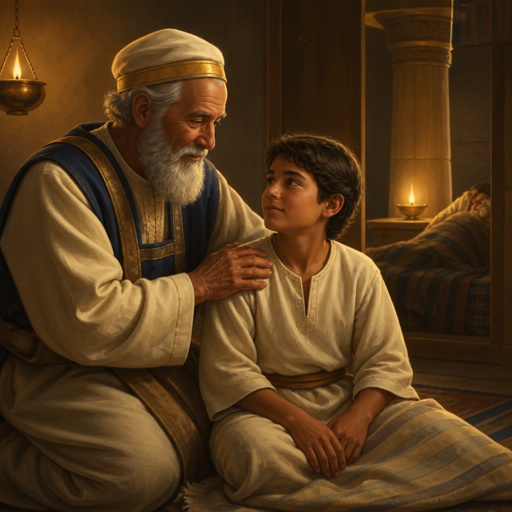
1 Samuel 3:19-21

1 Kings 6:19 - "And the oracle he prepared in the house within, to set there the ark of the covenant of the LORD."

1 Kings 19:12 - "And after the earthquake a fire; but the LORD was not in the fire: and after the fire a still small voice."

1 Kings 19:1 - "And Ahab told Jezebel all that Elijah had done, and withal how he had slain all the prophets with the sword."

1 Kings 7:19 - "And the chapiters that were upon the top of the pillars were of lily work in the porch, four cubits."

1 Kings 13:19 - "So he went back with him, and did eat bread in his house, and drank water."

1 Kings 20:19 - "So these young men of the princes of the provinces came out of the city, and the army which followed them."