Holding Fast at the Altar: Lessons from Adonijah's Fear
“And it was told Solomon, saying, Behold, Adonijah feareth king Solomon: for, lo, he hath caught hold on the horns of the altar, saying, Let king Solomon swear unto me to day that he will not slay his servant with the sword.” — 1 Kings 1:51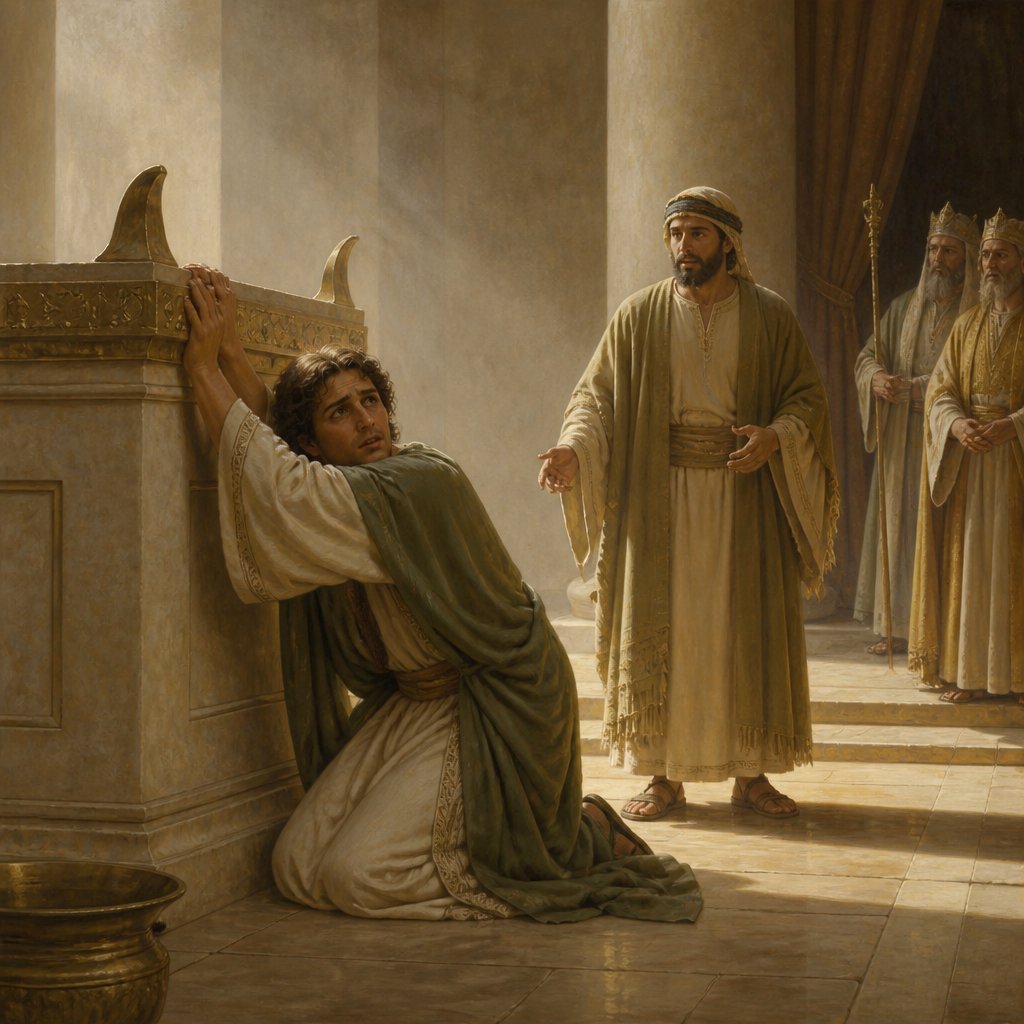
**Scriptural Reference: 1 Kings 1:51**
"And it was told Solomon, saying, Behold, Adonijah feareth king Solomon: for, lo, he hath caught hold on the horns of the altar, saying, Let king Solomon swear unto me to day that he will not slay his servant with the sword."
**Introduction**
The story surrounding King Solomon's ascension is rich with drama and tension, highlighting the universal themes of power, fear, grace, and redemption. In 1 Kings 1:51, we find Adonijah, the son of David, gripped by the terror of his impending demise. His desperate grasp on the horns of the altar reveals a profound narrative—a plea for mercy wrapped in the sacred promise of sanctuary. This moment is more than a mere turning point in historical accounts; it serves as a mirror reflecting our own struggles with fear and our quest for mercy.
**The Gravity of Fear**
Adonijah's fear was not unfounded. Having declared himself king in an attempt to seize the throne, he was aware of the gravity of his actions. Solomon, anointed to succeed David, was justified in fearsome retribution. Fear often comes to all of us in our moments of failure; whether from the consequences of our sins, the weight of our decisions, or the brokenness of relationships, we can find ourselves in Adonijah’s shoes—facing the truth of our missteps. This scriptural incident reminds us that fear can drive us toward one of two paths: rebellion or repentance.
**The Horns of the Altar**
Adonijah's decision to cling to the horns of the altar is particularly significant. In the Old Testament, the altar symbolized a place of sacrifice, forgiveness, and redemption. By grasping the horns, Adonijah was invoking a custom that represented a plea for mercy. He was choosing to seek refuge in what should have been a sacred space—a recognition that even in his treachery, he sought absolution. In our modern context, the altar can be viewed as our own relationship with God, where we lay down our transgressions, seeking forgiveness. It beckons us to turn towards the divine in our own moments of dread.
**The Power of Intercession**
Adonijah did not merely seek mercy for himself; he asked Solomon to swear an oath—to commit to not executing him. This act underscores the importance of intercession. His reliance on Solomon for a guarantee of life reflects our need for connection and grace in our relationships. When we see our sin laid bare, there is often a complex mix of emotions—regret, fear, a desire for restoration. In the face of this complexity, we must remember that the Bible teaches us about the power of interceding—just as Jesus intercedes for us, we must also seek out reconciliation and advocate for one another in love.
**Embracing God's Mercy**
While the narrative continues with the intense decisions that Solomon must make, this moment signifies an opportunity for mercy—a chance for Adonijah to be forgiven and to reconsider his previous ambitions. In the New Testament, we are reminded that our God is a God of second chances. Despite the depths of our sin, He longs to extend grace. Solomon’s action would ultimately reveal God’s purpose for justice and forgiveness. Just as God does not discard us for our shortcomings, we too may find the capacity to forgive those who have caused us pain. In our hearts, we must wrestle with the implications of mercy and forgiveness in our own lives.
**Conclusion**
Let us reflect on this moment in history with a prayerful heart. Are we clinging to the 'horns of the altar' in our own lives? Are we seeking refuge in God's mercy amidst our fears? May we approach the throne of grace with confidence, knowing that it is there we will find solace and renewal. The invitation remains—come forth, find forgiveness, and embrace the blessed assurance that like Solomon, God is intended for us to live in grace, not fear.
Get our apps


Artwork for 1 Kings 1:51

1 Kings 1:51 - "And it was told Solomon, saying, Behold, Adonijah feareth king Solomon: for, lo, he hath caught hold on the horns of the altar, saying, Let king Solomon swear unto me to day that he will not slay his servant with the sword."
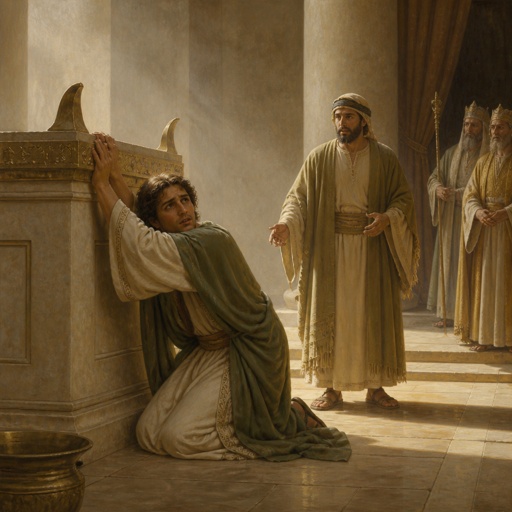
"And it was told Solomon, saying, Behold, Adonijah feareth king Solomon: for, lo, he hath caught hold on the horns of the altar, saying, Let king Solomon swear unto me to day that he will not slay his servant with the sword." - 1 Kings 1:51

1 Kings 8:51 - "For they be thy people, and thine inheritance, which thou broughtest forth out of Egypt, from the midst of the furnace of iron:"

1 Kings 22:51 - "¶ Ahaziah the son of Ahab began to reign over Israel in Samaria the seventeenth year of Jehoshaphat king of Judah, and reigned two years over Israel."

Pslam 51:1

Pslam 51:1

psalm 51:10

Leviticus 14:51

1 Kings 7:51 - "So was ended all the work that king Solomon made for the house of the LORD. And Solomon brought in the things which David his father had dedicated; even the silver, and the gold, and the vessels, did he put among the treasures of the house of the LORD."

1 Corinthians 15:51-52

1 Corinthians 15:51-52

1 Corinthians 15:51-52

1 Corinthians 15:51-52

1 Chronicles 1:51 - "¶ Hadad died also. And the dukes of Edom were; duke Timnah, duke Aliah, duke Jetheth,"
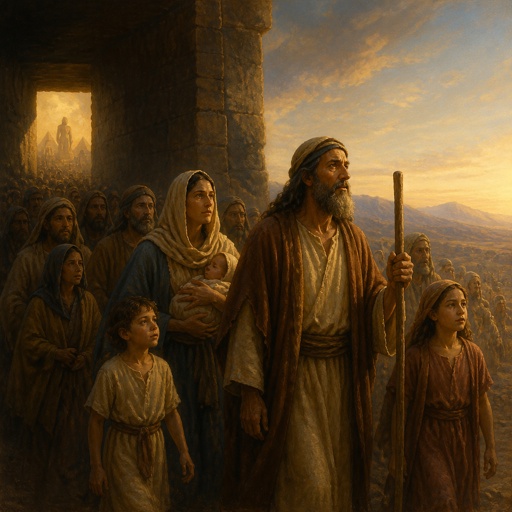
"For they be thy people, and thine inheritance, which thou broughtest forth out of Egypt, from the midst of the furnace of iron:" - 1 Kings 8:51

1 Chronicles 2:51 - "Salma the father of Beth-lehem, Hareph the father of Beth-gader."

1 Samuel 14:51 - "And Kish was the father of Saul; and Ner the father of Abner was the son of Abiel."

1 Chronicles 6:51 - "Bukki his son, Uzzi his son, Zerahiah his son,"

Luke 1:51 - "He hath shewed strength with his arm; he hath scattered the proud in the imagination of their hearts."
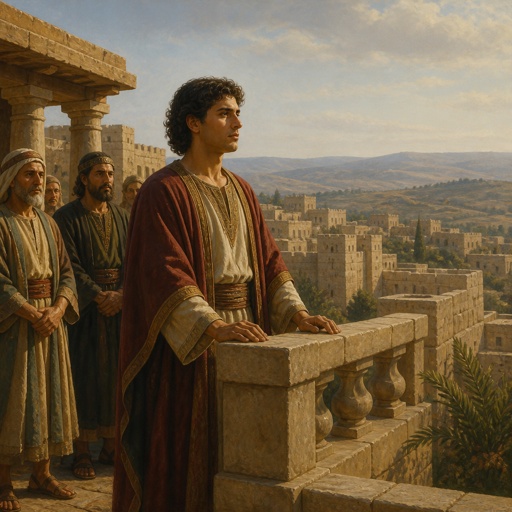
"¶ Ahaziah the son of Ahab began to reign over Israel in Samaria the seventeenth year of Jehoshaphat king of Judah, and reigned two years over Israel." - 1 Kings 22:51

1 Corinthians 15:51 - "Behold, I shew you a mystery; We shall not all sleep, but we shall all be changed,"
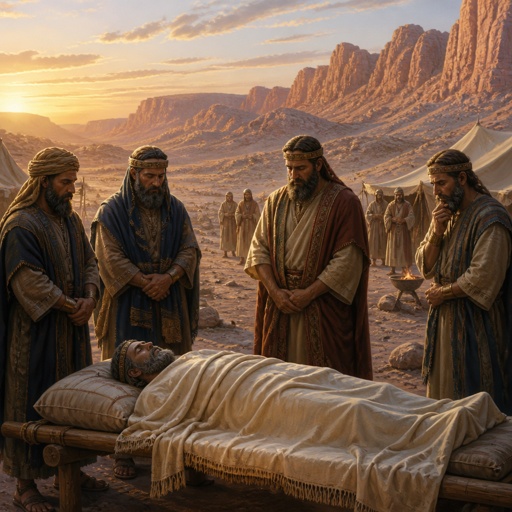
"¶ Hadad died also. And the dukes of Edom were; duke Timnah, duke Aliah, duke Jetheth," - 1 Chronicles 1:51

1 Kings 10:1

1 Kings 10:1

Psalms 51:1 - "Have mercy upon me, O God, according to thy lovingkindness: according unto the multitude of thy tender mercies blot out my transgressions."
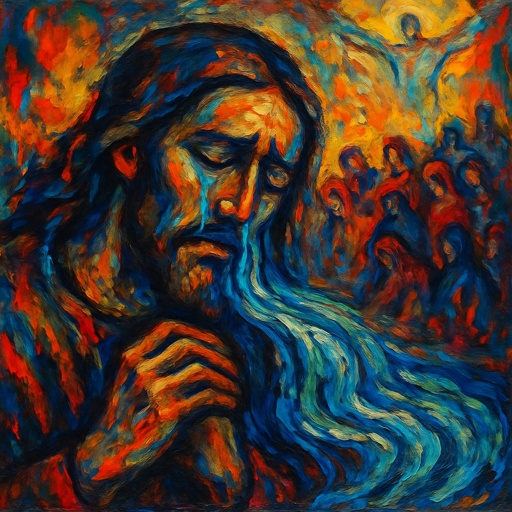
Lamentations 3:48-51 KJV Mine eye runneth down with rivers of water for the destruction of the daughter of my people. (49) Mine eye trickleth down, and ceaseth not, without any intermission, (50) Till the LORD look down, and behold from heaven. (51) Mine eye affecteth mine heart because of all the daughters of my city.

1 kings 10:1

1 Kings 14:1-20

Isaiah 51:1 - "Hearken to me, ye that follow after righteousness, ye that seek the LORD: look unto the rock whence ye are hewn, and to the hole of the pit whence ye are digged."

Jeremiah 51:1 - "Thus saith the LORD; Behold, I will raise up against Babylon, and against them that dwell in the midst of them that rise up against me, a destroying wind;"