The Pitfalls of Compromise and the Call for Integrity
"And the men of his city, even the elders and the nobles who were the inhabitants in his city, did as Jezebel had sent unto them, and as it was written in the letters which she had sent unto them." - 1 Kings 21:11
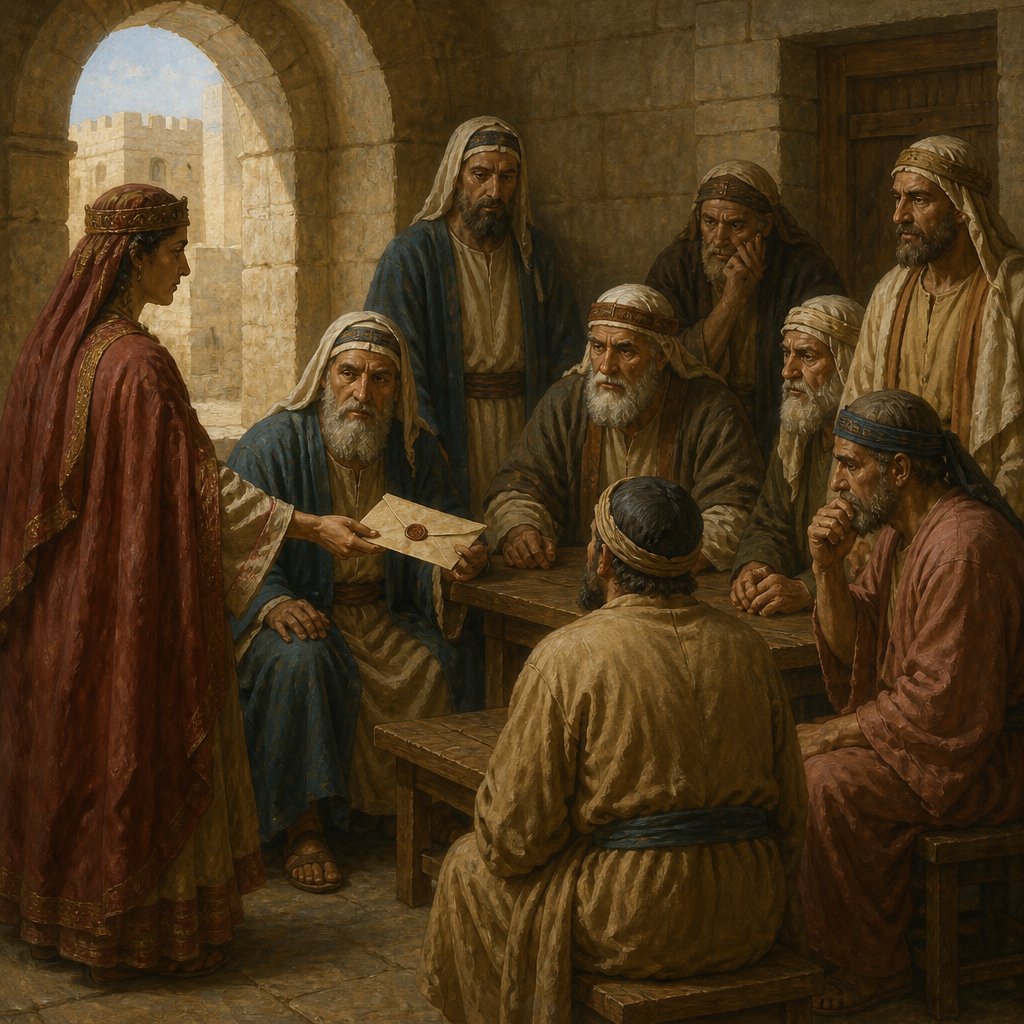
As we delve into 1 Kings 21:11, which reads, "And the men of his city, even the elders and the nobles who were the inhabitants in his city, did as Jezebel had sent unto them, and as it was written in the letters which she had sent unto them," we encounter a chilling narrative about power, corruption, and the alarming ease with which integrity can be sacrificed.
This moment in Israel's history centers around Naboth, a faithful man whose inheritance of a vineyard reflects a deep-seated connection to his ancestral land. When King Ahab coveted Naboth’s vineyard, rather than honor Naboth’s right to his heritage, he turned to his wife, Jezebel, who devised a devious plan to acquire it. The men of the city, the very elders and nobles tasked with upholding justice and righteousness, succumbed to Jezebel’s scheme.
The actions of the elders and nobles exemplify a pervasive truth: when leaders lack integrity, the consequences ripple throughout the community. Instead of standing firm against a corrupt proposition, these influential figures chose to comply with the wickedness passed down from the queen. Their inaction or complicity resulted in the wrongful execution of an innocent man and the ultimate acquisition of his land by the king. This account serves as a stark cautionary tale: the moral failure of individuals in authority can lead to the erosion of justice and righteousness in society.
In a culture where power often intertwines with corruption, we must be vigilant about our own hearts and actions. Are we standing firm in our moral convictions, or are we swayed by the pressures around us? The men of Jezreel may have rationalized their actions as a necessity, but they ignored the higher call of integrity, justice, and righteousness that God expects from His people.
1 Kings 21:11 forces us to consider, who are we allowing to influence our decisions? Are we merely conforming to societal norms, seeking approval from those in power or those around us? God calls us to a higher standard. The Apostle Paul, in Romans 12:2, exhorts us: "And be not conformed to this world: but be ye transformed by the renewing of your mind..." We must continually renew our minds through prayer, meditation on His Word, and the pursuit of righteousness.
From this passage, we observe that the morally corrupt directives of an individual can lead even those entrusted with wisdom and authority to act unjustly. It is critical to truly understand the weight of our decisions, especially when we think no one is watching. Naboth’s life was tragically cut short because leaders in his community chose to obey wickedness rather than uphold God's laws.
Amidst such darkness, we must ignite a passion for integrity within ourselves and encourage it amongst those around us. Advocating for the voiceless, defending the innocent, and standing against injustice are tasks entrusted to us as Christians. Our society may sometimes seem steeped in corruption, but we cannot let this be an excuse to abandon our commitment to standing for what is right.
Let us also remember the pivotal role of prayer in our commitment to righteousness. When faced with difficult decisions or societal pressures, we should earnestly seek God's wisdom, asking Him to align our hearts with His and empower us to act in integrity. Every one of us has a voice, and we must use it to bring about change rather than become complicit in wrongdoing.
As we close this reflection, let us commit to pursuing integrity in our own lives, emulating the characteristics of our Savior, who stood unwaveringly against injustice despite the great cost. May we refuse to be like the elders of Jezreel, who chose convenience over conviction, and instead strive to be instruments of peace and righteousness, conduits for God's love, justice, and integrity in a world much in need of His light.
Want to reflect more on 1 Kings 21:11?
Continue your spiritual journey with Bible Chat — an AI-powered tool for exploring God's Word through conversation. Ask questions, discover connections, and deepen your understanding.
Get Our Apps


1 Kings 21:11 Artwork

1 Kings 21:11 - "And the men of his city, even the elders and the nobles who were the inhabitants in his city, did as Jezebel had sent unto them, and as it was written in the letters which she had sent unto them."
"And the men of his city, even the elders and the nobles who were the inhabitants in his city, did as Jezebel had sent unto them, and as it was written in the letters which she had sent unto them." - 1 Kings 21:11

2 Kings 11:21 - "Seven years old was Jehoash when he began to reign."

1 Kings 11:21 - "And when Hadad heard in Egypt that David slept with his fathers, and that Joab the captain of the host was dead, Hadad said to Pharaoh, Let me depart, that I may go to mine own country."

1 Kings 11:11

1 Kings 11:11

1 Kings 11:11

1 Kings 11:11

1 Kings 11:11

1 Kings 8:21

1 kings 11:11-13

1 Kings 11:11-13

1 Kings 11:11-13

1 Kings 8:21

1 Kings 8:21

1 Kings 8:21

1 Kings 11:1-5

Matthew 21:1-11

1 Kings 12:11

1 Kings 11:13

1 Kings 12:11

1 Kings 11:5

1 Kings 11:13

1 Kings 12:11

1 Kings 12:11

1 Kings 12:11

1 Kings 21:14 - "Then they sent to Jezebel, saying, Naboth is stoned, and is dead."

1 Kings 21:28 - "And the word of the LORD came to Elijah the Tishbite, saying,"

1 Kings 21:17 - "¶ And the word of the LORD came to Elijah the Tishbite, saying,"

1 Kings 21:12 - "They proclaimed a fast, and set Naboth on high among the people."