The Cost of Coveting: Lessons from Naboth and Jezebel
“Then they sent to Jezebel, saying, Naboth is stoned, and is dead.” — 1 Kings 21:14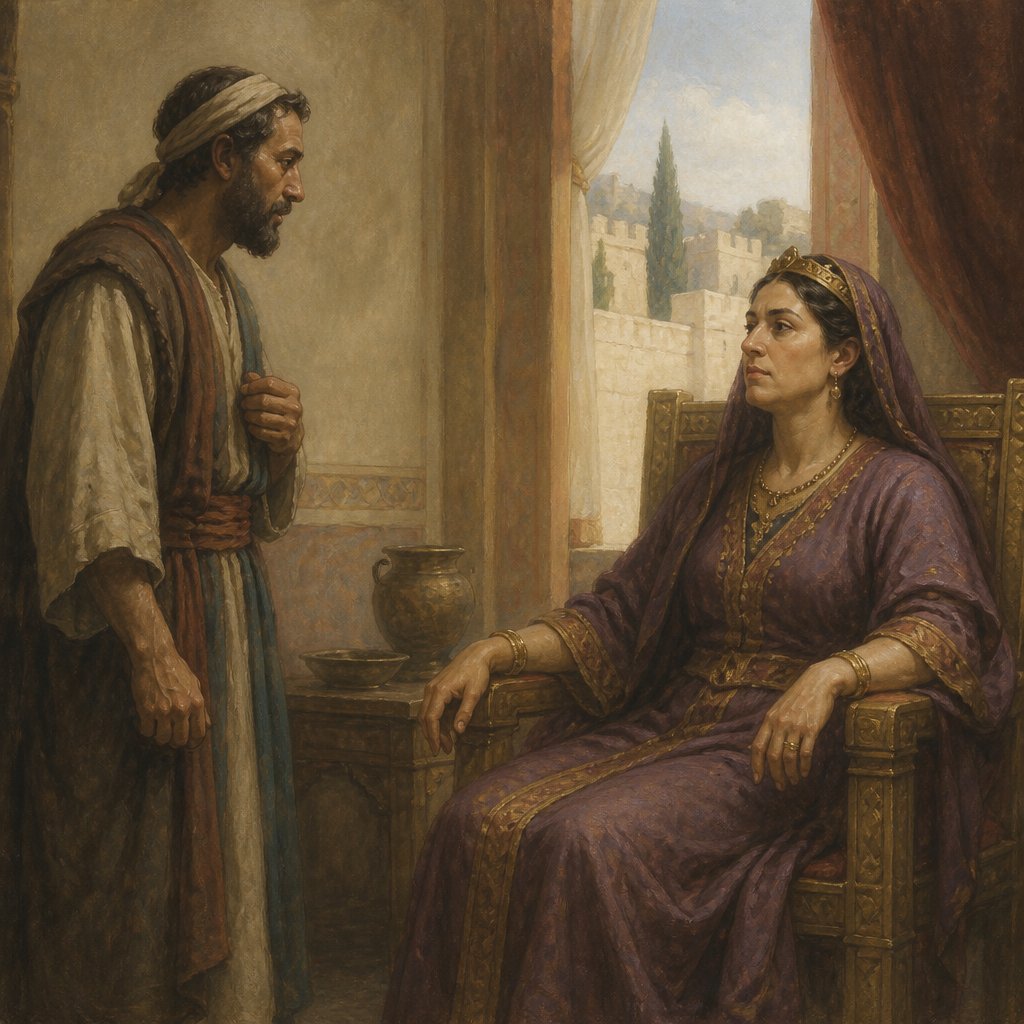
The story of Naboth’s vineyard, found in 1 Kings 21, offers a profound reflection on the nature of desire, justice, and God's sovereignty in our lives. When we come to the pivotal verse, 1 Kings 21:14, “Then they sent to Jezebel, saying, Naboth is stoned, and is dead,” we are reminded of the devastating consequences that arise from unchecked ambition and the lengths to which individuals may go to satisfy their greed.
This verse marks the climax of a tragic narrative rooted in the rejection of God’s law and the manipulation of justice for personal gain. Naboth, a faithful Israelite, owned a vineyard that was his ancestral inheritance, a piece of land that held deep personal and familial significance. However, King Ahab coveted Naboth’s land, wanting to transform it into a vegetable garden.
Ahab approached Naboth with a request to sell his vineyard. Naboth’s refusal was not merely a personal disagreement; it was a stand for God’s commandments and the values of justice, heritage, and divine ownership. "The Lord forbid it me, that I should give the inheritance of my fathers unto thee" (1 Kings 21:3). This response, rich with meaning, illustrates Naboth's understanding of God's covenant with His people and the seriousness with which he regarded his family's legacy.
Ahab’s reaction to Naboth’s refusal reveals a critical lesson about human nature. Instead of graciously accepting Naboth’s answer, Ahab sulked and went home, allowing his grief to fester into bitterness. Jezebel, demonstrating both ambition and ruthlessness, steps in to take matters into her own hands. She orchestrates a scheme to falsely accuse Naboth, leading to his violent death.
The narrative of Naboth and Jezebel unfolds with stark warnings against envy and the corruption of power. Jezebel symbolizes a kind of moral depravity that many may fall into—where the value of human life is eclipsed by the desire for possession and status. This moral landscape is not exclusive to ancient kings; rather, it’s reflective of the human heart throughout history and even in modern contexts.
Consider how often we may find ourselves desiring what belongs to others, whether it be their possessions, their status, or their gifts. In what ways do we find ourselves plotting or scheming to achieve our desires? Are we willing to compromise our integrity or the well-being of others for our gain? Such actions, as demonstrated in this narrative, lead to a cycle of sin that can devastate not only individuals but entire communities.
The aftermath of Naboth’s unjust execution serves as a sobering reminder of the consequences of sin and the risk we take when we allow ourselves to be driven by greed and the pursuit of pleasure at the expense of righteousness. It breaks the heart of God to see how His creation mistreats one another over mere possessions or standing. And it inevitably leads to God’s judgment, which is evident in the prophetic message delivered to Ahab and Jezebel after Naboth’s death.
As followers of Christ, we must continually reflect on the motivations of our hearts. Are we so easily swayed by envy and desire that we become blind to God’s will? Do we recognize that everything we have is a gift from Him, to be used for His glory rather than our selfish ambition?
1 Kings 21 invites us to consider the weight of our choices and the impact they have on our lives and the lives of others. Rather than allowing envy and desire to govern us, we should respond in gratitude for what God has provided and seek to live in accordance with His truths.
Let us remember the principles that Naboth stood for: justice, faithfulness, and the importance of divine inheritance. His story warns us of the dire consequences that can emerge from a life driven by coveting and injustice. Even in the face of adversity, let our response be one that glorifies God, choosing righteousness over greed, and faithfulness over treachery. May we strive to cultivate a heart that mirrors Christ’s: one that rejoices in the blessings of others and values integrity above all.
Get our apps


Artwork for 1 Kings 21:14

1 Kings 21:14 - "Then they sent to Jezebel, saying, Naboth is stoned, and is dead."

"Then they sent to Jezebel, saying, Naboth is stoned, and is dead." - 1 Kings 21:14

1 Kings 8:21

1 Kings 14:26
1 Kings 14:26

1 Kings 8:21

1 Kings 8:21

1 Kings 8:21

1 Kings 14:1-20

John 14:15-21

2 Kings 14:21 - "¶ And all the people of Judah took Azariah, which was sixteen years old, and made him king instead of his father Amaziah."

2 Kings 21:14 - "And I will forsake the remnant of mine inheritance, and deliver them into the hand of their enemies; and they shall become a prey and a spoil to all their enemies;"

1 Kings 12:14

1 Kings 12:14

1 Kings 14:1 - "At that time Abijah the son of Jeroboam fell sick."

1 Kings 21:28 - "And the word of the LORD came to Elijah the Tishbite, saying,"

1 Kings 21:17 - "¶ And the word of the LORD came to Elijah the Tishbite, saying,"

1 Kings 9:14 - "And Hiram sent to the king sixscore talents of gold."

1 Kings 14:29 - "¶ Now the rest of the acts of Rehoboam, and all that he did, are they not written in the book of the chronicles of the kings of Judah?"

1 Kings 16:14 - "Now the rest of the acts of Elah, and all that he did, are they not written in the book of the chronicles of the kings of Israel?"

1 Kings 21:12 - "They proclaimed a fast, and set Naboth on high among the people."
1 Kings 14:21 - "¶ And Rehoboam the son of Solomon reigned in Judah. Rehoboam was forty and one years old when he began to reign, and he reigned seventeen years in Jerusalem, the city which the LORD did choose out of all the tribes of Israel, to put his name there. And his mother's name was Naamah an Ammonitess."

1 Kings 6:14 - "So Solomon built the house, and finished it."

1 Kings 4:14 - "Ahinadab the son of Iddo had Mahanaim:"

1 Kings 14:30 - "And there was war between Rehoboam and Jeroboam all their days."

1 Kings 21:1 - "And it came to pass after these things, that Naboth the Jezreelite had a vineyard, which was in Jezreel, hard by the palace of Ahab king of Samaria."

1 Kings 20:21 - "And the king of Israel went out, and smote the horses and chariots, and slew the Syrians with a great slaughter."

1 Kings 14:19 - "And the rest of the acts of Jeroboam, how he warred, and how he reigned, behold, they are written in the book of the chronicles of the kings of Israel."

1 Kings 22:21 - "And there came forth a spirit, and stood before the LORD, and said, I will persuade him."

1 Kings 1:14 - "Behold, while thou yet talkest there with the king, I also will come in after thee, and confirm thy words."