The Blessing of Unity: A Call to Collective Faith
“And the king turned his face about, and blessed all the congregation of Israel: ( and all the congregation of Israel stood;)” — 1 Kings 8:14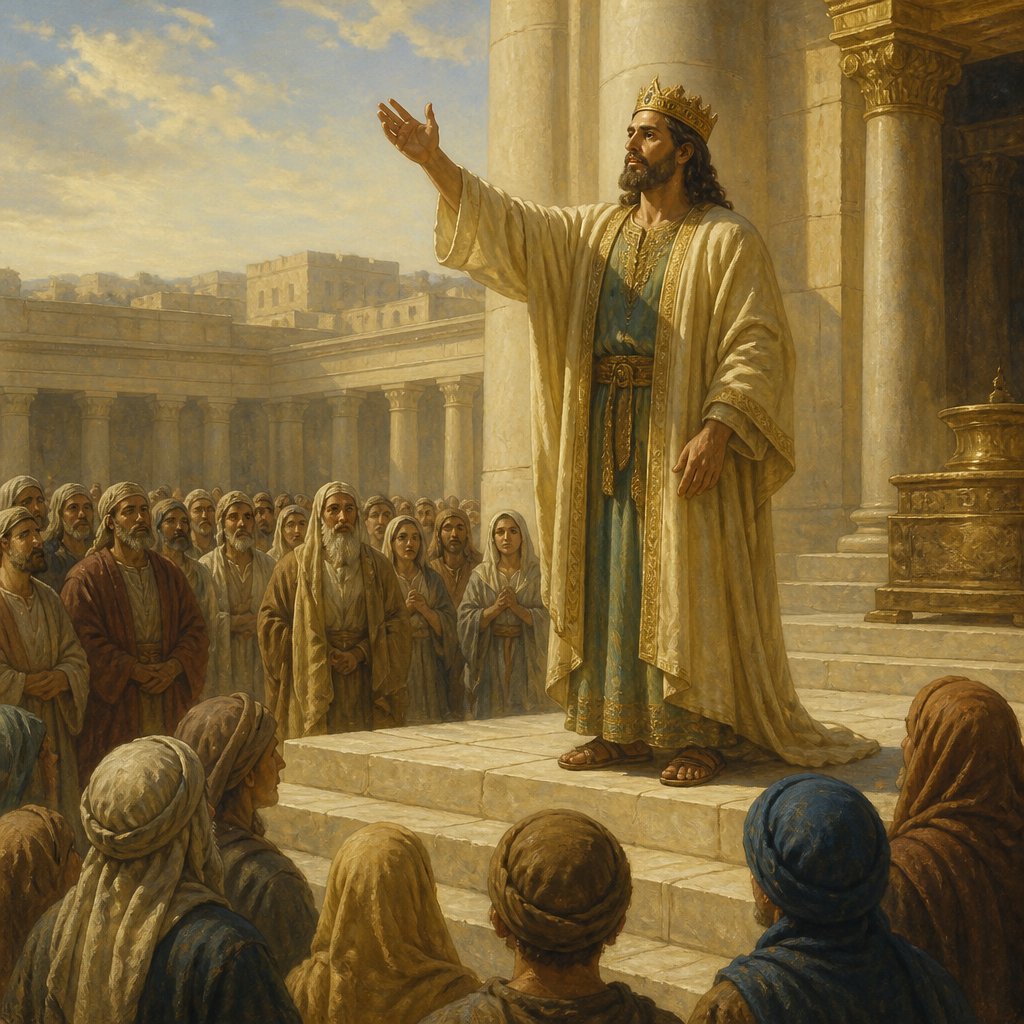
As we delve into the rich context of 1 Kings 8:14, we find ourselves in a pivotal moment in Israel’s history. This passage reads: "And the king turned his face about, and blessed all the congregation of Israel: (and all the congregation of Israel stood;)." This implies a significant shift not only in posture but in divine acknowledgment of the people gathered—an assembly united under the leadership of King Solomon as he dedicates the temple.
### The Assembly of Unity
In this verse, we see King Solomon, the son of David, recently crowned and now tasked with both a monumental physical structure and the spiritual leadership of Israel. The temple’s dedication was a culmination of years of labor, prayer, and a vision that was divinely inspired. Solomon’s act of turning his face toward the congregation and offering them a blessing is a profound biblical motif recognizing the gathered body of believers, the faith community, as a significant entity in God's plan.
The act of blessing carries deep significance throughout the scriptures. Blessings are a way through which God honors His people and involves them in a covenantal relationship. Here, Solomon stands not merely as a monarch, but as an intercessor and representative of God’s voice to His people. His visible action of turning signifies that the blessings are directed from the king by God’s authority to the people. This communal act emphasizes the importance of standing together in faith and of being recognized as a body of believers committed to the Lord.
### The Communal Blessing
Furthermore, as we reflect on why all the congregation stood, we witness a beautiful expression of collective reverence and unity in worship. The act of standing denotes engagement and participation; no one is merely an observer. Every individual is invited to receive the blessings of God, reinforcing that in God’s kingdom, no one is excluded. Collectively, the people gathered symbolize the heart of worship: a body of diverse individuals united in purpose, faith, and covenant. This unity is crucial as it reaffirms that individual piety must coexist within the community of faith; our blessings are often intertwined with the spiritual well-being of others.
### Our Role in Blessing Others
As believers today, we should take from this scriptural moment the importance of blessing others within our congregations and communities and recognizing the vital role of collective faith. In a world that increasingly attempts to isolate individuals and promote a spirit of division, we are called to stand as a unified body. The New Testament echoes this sentiment in passages like Ephesians 4:3 (KJV), which urges us to endeavor to keep the unity of the Spirit in the bond of peace.
Let us consider the profound impact of our gatherings in worship. Who do we bless with our presence? As we engage in church activities, worship services, and community gatherings, it is our responsibility to encourage, pray for, and uplift one another—reflecting the model set forth in this passage. When we come together, we invoke God’s Spirit amongst us and allow it to flow unimpeded through our words, deeds, and collective prayers.
### Conclusion: Turning Our Faces to God
As we conclude this reflection on 1 Kings 8:14, let us remember the heart of Solomon’s act—a divine call to turn toward each other and to turn toward God. May we be inspired to continually seek and bless one another, reaffirm the importance of our community in Christ, and honor our worship, whether in our homes, churches, or beyond. As we stand together, let us lift our faces toward the King and together bless His holy name, unified in faith and love. In doing so, may we attract the divine blessings of God upon our lives and the lives of those around us, echoing the royal decree in Solomon’s day to maintain our focus on the Lord together.
Get our apps


Artwork for 1 Kings 8:14

1 Kings 8:14 - "And the king turned his face about, and blessed all the congregation of Israel: (and all the congregation of Israel stood;)"
"And the king turned his face about, and blessed all the congregation of Israel: (and all the congregation of Israel stood;)" - 1 Kings 8:14

Soothing the Soul: The Gospel of Gentle Care 1 Kings 19:3-8; 1 Samuel 16:14-23

Soothing the Soul: The Gospel of Gentle Care 1 Kings 19:3-8; 1 Samuel 16:14-23

1 Kings 14:26
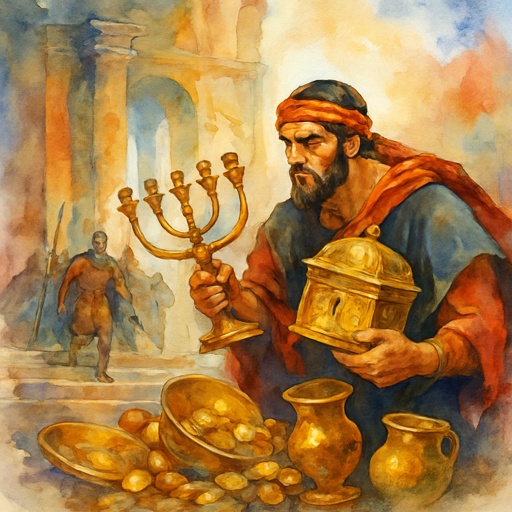
1 Kings 14:26

1 Kings 8:6-8

1 Kings 14:1-20

1 Kings 8:10

1 Kings 8:21

1 Kings 8:21

1 Kings 8:10

1 kings 8:7

1 Kings 8:10

1 Kings 8:10

1 Kings 8:7

1 Kings 8:21

1 Kings 8:10

1 Kings 8:10

1 kings 8:7

1 Kings 8:22

1 Kings 8:21

1 Kings 8:10

1 Kings 12:14

1 Kings 12:14

1 Kings 14:1 - "At that time Abijah the son of Jeroboam fell sick."
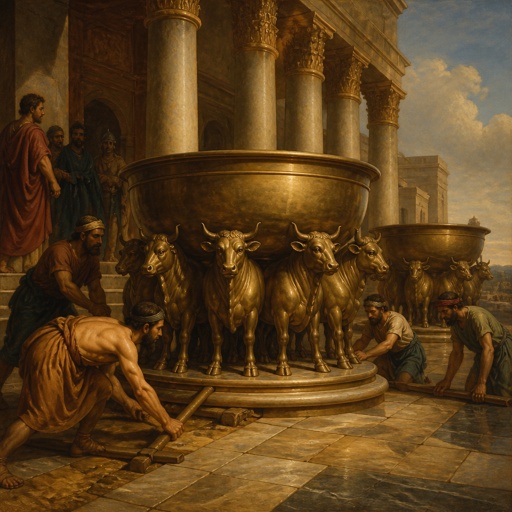
1 kings 7:8

1 Kings 9:14 - "And Hiram sent to the king sixscore talents of gold."

1 Kings 14:29 - "¶ Now the rest of the acts of Rehoboam, and all that he did, are they not written in the book of the chronicles of the kings of Judah?"

1 Kings 16:14 - "Now the rest of the acts of Elah, and all that he did, are they not written in the book of the chronicles of the kings of Israel?"