A Covenant Confirmed: Trusting in God’s Promises
“And now, O God of Israel, let thy word, I pray thee, be verified, which thou spakest unto thy servant David my father.” — 1 Kings 8:26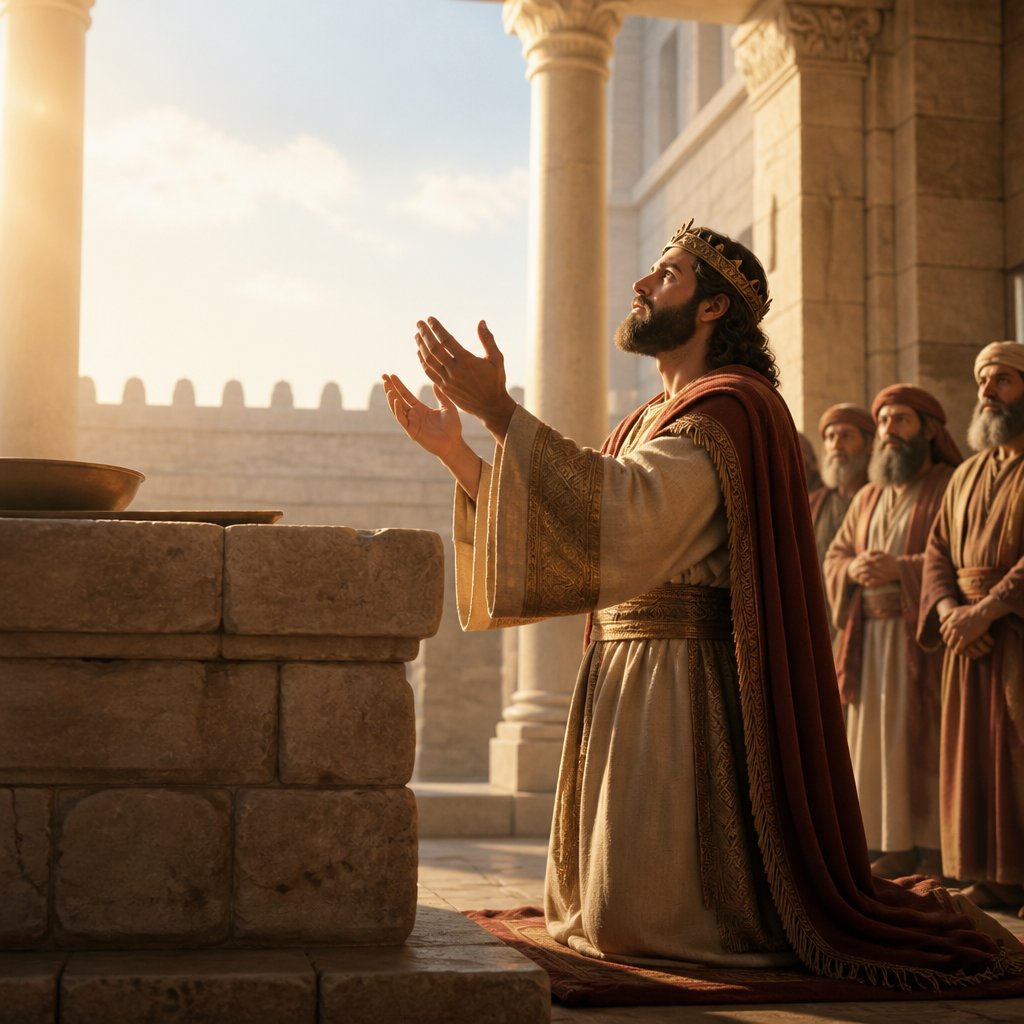
In the heart of the Old Testament, we find Solomon, a young king woven into the fabric of Israel’s history, standing before the altar of the Lord in 1 Kings 8:26. Here he lifts up not merely a prayer, but an appeal to the God of Israel: "And now, O God of Israel, let thy word, I pray thee, be verified, which thou spakest unto thy servant David my father." This moment is powerful, embodying the importance of God's promises, the legacy of faith, and the hope of fulfillment.
Solomon's prayer occurs during the dedication of the magnificent temple he had built. As he opens his heart to God, we are reminded of the heavy weight that comes with leadership and covenant. In the Jewish tradition, the past, present, and future are interwoven through the faith shared by generations. Solomon looks back at God’s covenant with his father, David. The promise was clear: God had vowed that David's lineage would reign and that Solomon himself would be the one to build the temple, a dwelling place for God's presence among His people (2 Samuel 7:12-13).
Let’s unpack this verse further. The phrase "let thy word... be verified" is significant; it calls upon God’s integrity and faithfulness. Solomon acknowledges that God is a God who speaks, who makes promises, and who acts in history. By asking for God’s word to be verified, Solomon is not doubting; he is affirming his faith in God’s character. He links the hope of his kingship and the temple’s purpose to the covenant made with David. This is a position every believer can relate to, as we often stand at the intersection of God’s past promises and our present reality.
In this prayer, we also see an example of humility. Solomon, recognizing the magnitude of what he has been entrusted, lays his desire before God. He does not simply ask for confirmation of his kingship; he seeks assurance that the legacy of faith will continue through him. In our own lives, making bold requests to God is also an act of vulnerability. Yet, just as Solomon was grounded in prayer, so too must we seek the Lord earnestly for His promises in our lives.
Moreover, this invocation to validate His word serves as a poignant reminder that God’s promises are not merely ancient echoes but living assurances. While we may grapple with doubt and uncertainty in our journey, God’s promises remain steadfast and true. As Solomon prayed, he encapsulated a community’s yearning for God’s guidance. Today, we find ourselves in a similar position, surrounded by challenges that necessitate our faith in what God has assured us.
One might wonder how we can expect God to verify His word in our lives. We may long for His directions during difficult times or seek clarity over His promises. The answer lies in exploring Scripture deeply and communing with God through prayer. God’s word is alive (Hebrews 4:12). Each promise holds the capacity to shape our lives, just as they shaped the destiny of Solomon and Israel.
As we reflect on Solomon’s earnest prayer, let us seize the opportunity to resonate with his supplication—to ask God to verify His promises in our lives. What are we waiting on? Are there promises He has laid on our hearts yet to be fulfilled? Let us, too, echo the voice of the faithful, inviting the God of Israel to manifest His mighty works. In every season of waiting or uncertainty, we can affirm that God’s character is unchanging. His faithfulness endures forever!
In conclusion, as you meditate on 1 Kings 8:26, remember the God who stands behind every promise made. Associate yourself with Solomon’s faith as you approach God with your inquiries and aspirations. Let His word be verified, not just for your sake, but for the generations that come after you, as they witness the living testimony of God’s faithfulness in your life.
Get our apps


Artwork for 1 Kings 8:26

1 Kings 8:26 - "And now, O God of Israel, let thy word, I pray thee, be verified, which thou spakest unto thy servant David my father."
"And now, O God of Israel, let thy word, I pray thee, be verified, which thou spakest unto thy servant David my father." - 1 Kings 8:26

1 Kings 14:26
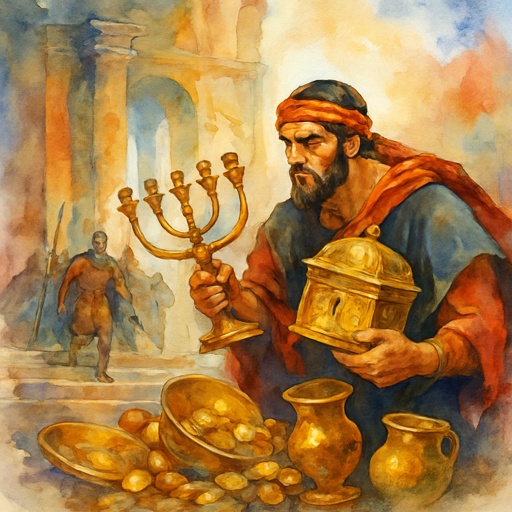
1 Kings 14:26

1 Chronicles 8:26 - "And Shamsherai, and Shehariah, and Athaliah,"

1 Kings 8:6-8

1 Kings 8:10

1 Kings 8:21

1 Kings 8:21

1 Kings 8:10

1 kings 8:7

1 Kings 8:10

1 Kings 8:10

1 Kings 8:7

1 Kings 8:21

1 Kings 8:10

1 Kings 8:10

1 kings 8:7

1 Kings 8:22

1 Kings 8:21

1 Kings 8:10

1 Kings 6:26 - "The height of the one cherub was ten cubits, and so was it of the other cherub."

2 Kings 8:26 - "Two and twenty years old was Ahaziah when he began to reign; and he reigned one year in Jerusalem. And his mother's name was Athaliah, the daughter of Omri king of Israel."
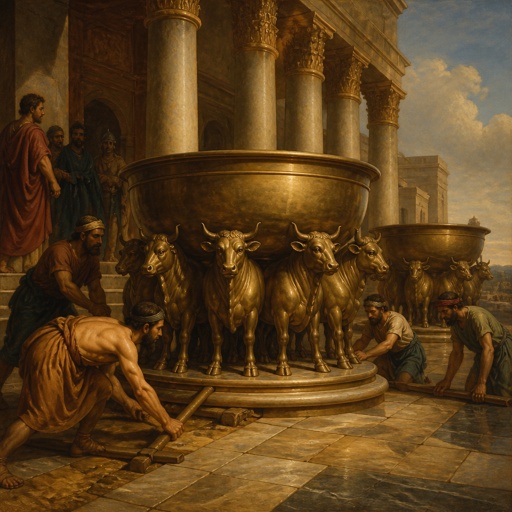
1 kings 7:8

1 Kings 12:26 - "And Jeroboam said in his heart, Now shall the kingdom return to the house of David:"

1 Kings 4:26 - "¶ And Solomon had forty thousand stalls of horses for his chariots, and twelve thousand horsemen."

1 Kings 1:26 - "But me, even me thy servant, and Zadok the priest, and Benaiah the son of Jehoiada, and thy servant Solomon, hath he not called."

1 Kings 22:26 - "And the king of Israel said, Take Micaiah, and carry him back unto Amon the governor of the city, and to Joash the king's son;"

"And Shamsherai, and Shehariah, and Athaliah," - 1 Chronicles 8:26

1 Kings 4:8 - "And these are their names: The son of Hur, in mount Ephraim:"