The Inquiry of Kings: Understanding Our Identity in Christ
“And the king said, Enquire thou whose son the stripling is.” — 1 Samuel 17:56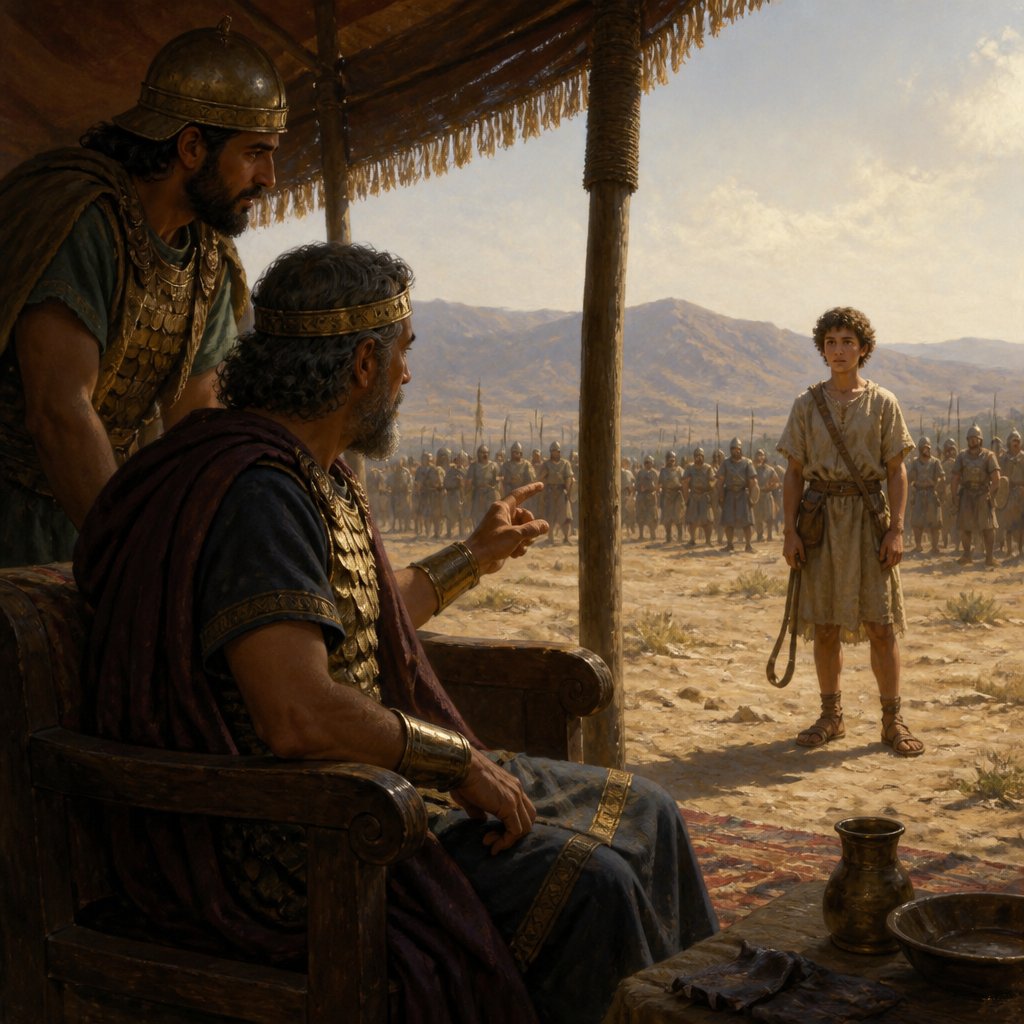
As we delve into the heart of 1 Samuel 17:56, where King Saul inquires, "Enquire thou whose son the stripling is," we are invited to explore the profound implications of identity, purpose, and recognition. The context of this verse comes amidst one of the most pivotal moments in biblical history – the epic showdown between David and Goliath. David, a mere youth, had just felled the giant with a single stone, an act that had not only transformed the tide of battle but also caught the attention of the king himself. In this moment of confrontation, we learn that it is not merely the act of victory that moved Saul, but also the identity of the one who achieved it.
The word "stripling" here refers to a young man, highlighting David's youth and inexperience. This inquiry sheds light on a critical theme that resonates throughout Scripture: God often uses the seemingly insignificant to accomplish His grand purposes. David was not simply a shepherd boy; he was anointed by God to be king, chosen for destiny even before this moment of confrontation. Yet, it was only after he had stepped into his God-given assignment that his identity began to unfold.
In our lives, the search for identity and purpose can lead us through similar paths of uncertainty and strength. The longing to be recognized and valued resonates deeply within human hearts. Each of us desires to know whose we are. We live in a world that often emphasizes titles, accomplishments, and outward appearances. However, this inquiry from Saul reminds us that true identity is not found in the accolades of men but in our relationship with God.
Paul reminds us in Galatians 4:6-7, "And because ye are sons, God hath sent forth the Spirit of his Son into your hearts, crying, Abba, Father. Wherefore thou art no more a servant, but a son; and if a son, then an heir of God through Christ." This radical truth transforms our understanding of who we are. Like David, we are not defined by our past, our failures, or our experiences. Instead, we are defined by our connection to the Father. When we embrace our identity as the beloved sons and daughters of God, we gain the confidence to step into our destinies.
David's rise to fame did not happen at the moment of defeating Goliath; it began long before, in the quiet fields where he diligently tended his sheep, played his harp, and worshipped the Lord. Preparation often occurs in obscurity, away from the eyes of the world. God knew David’s heart, and it was this heart that ultimately drew Saul’s attention. When Saul asks about whom David is, it is more than a curiosity—it is a moment of revelation for the king. This illustrates how, at times, those in authority must recognize that true power and identity lie not in titles or positions but in the hearts of the humble.
We learn valuable lessons from Saul’s inquiry. Firstly, we must question our perceptions and understandings of others. Just because someone appears insignificant does not mean they lack importance in God’s eyes. Secondly, we are encouraged to seek our identity in Christ. Who does God say that we are? We are more than conquerors (Romans 8:37). We are chosen, holy, and dearly loved (Colossians 3:12). When we stand firm in our identity amidst life’s battles, we can emerge victorious, just as David did.
In conclusion, as we reflect on Saul’s question, let us continually ask ourselves—whose son are we? Let us walk in the assurance that we are children of the King, destined for greatness, called to bring light into a world clouded by darkness. Pursue your purpose with the confidence that stems from knowing who you are in Christ, and remember that our identity in Him emboldens us to face any giant that stands in our way.
Get our apps


Artwork for 1 Samuel 17:56

1 Samuel 17:56 - "And the king said, Enquire thou whose son the stripling is."
"And the king said, Enquire thou whose son the stripling is." - 1 Samuel 17:56

1 Samuel 10:17 - "¶ And Samuel called the people together unto the LORD to Mizpeh;"

1 Samuel 17:33

Isaiah 56:3-5

1 Samuel 1:15-17

1 Samuel 17:34-35

1 Samuel 17:49

1 Samuel 17:45

1 Samuel 17:49

1 Samuel 17:45
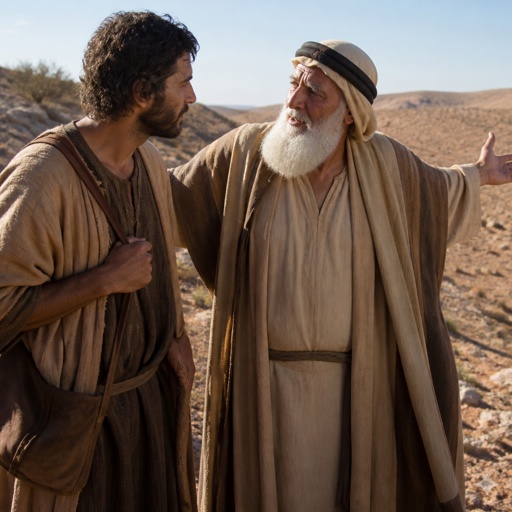
1 Samuel 9:17
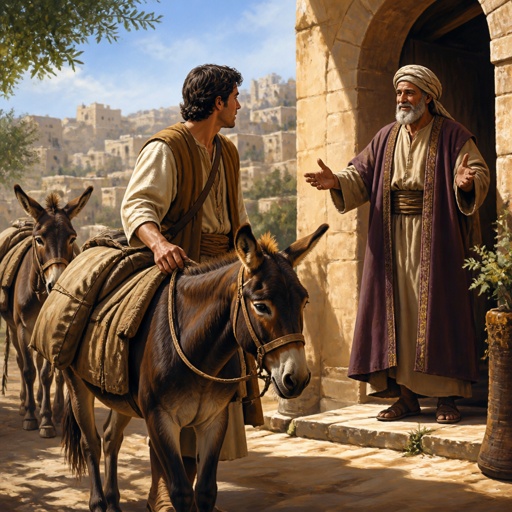
1 Samuel 9:17

1 samuel 17:3

1 Samuel 17:49

1 Samuel 17:45
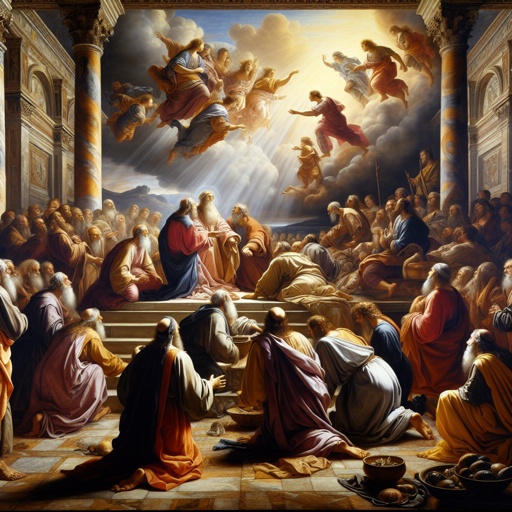
1 Samuel 17:49
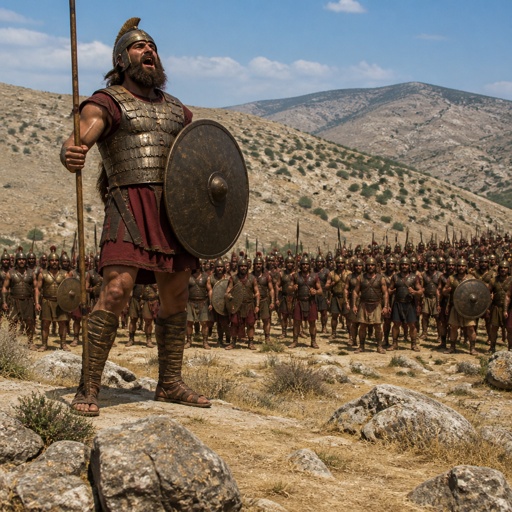
1 Samuel 17:4-8

2 Samuel 1. 17-27
1 Samuel 3:17-18

1 Samuel 17:38-40

1 Samuel 17:14 - "And David was the youngest: and the three eldest followed Saul."

1 Samuel 17:45-49

1 Samuel 9:17 - "And when Samuel saw Saul, the LORD said unto him, Behold the man whom I spake to thee of! this same shall reign over my people."

2 Samuel 1:17 - "¶ And David lamented with this lamentation over Saul and over Jonathan his son:"

1 Chronicles 6:56 - "But the fields of the city, and the villages thereof, they gave to Caleb the son of Jephunneh."

1 Samuel 17:29 - "And David said, What have I now done? Is there not a cause?"

1 Samuel 17:19 - "Now Saul, and they, and all the men of Israel, were in the valley of Elah, fighting with the Philistines."

1 Corinthians 15:56 - "The sting of death is sin; and the strength of sin is the law."

"¶ And Samuel called the people together unto the LORD to Mizpeh;" - 1 Samuel 10:17