Discovering Our Identity in Christ Through the Lens of David's Encounter
“And Saul said to him, Whose son art thou, thou young man? And David answered, I am the son of thy servant Jesse the Beth-lehemite.” — 1 Samuel 17:58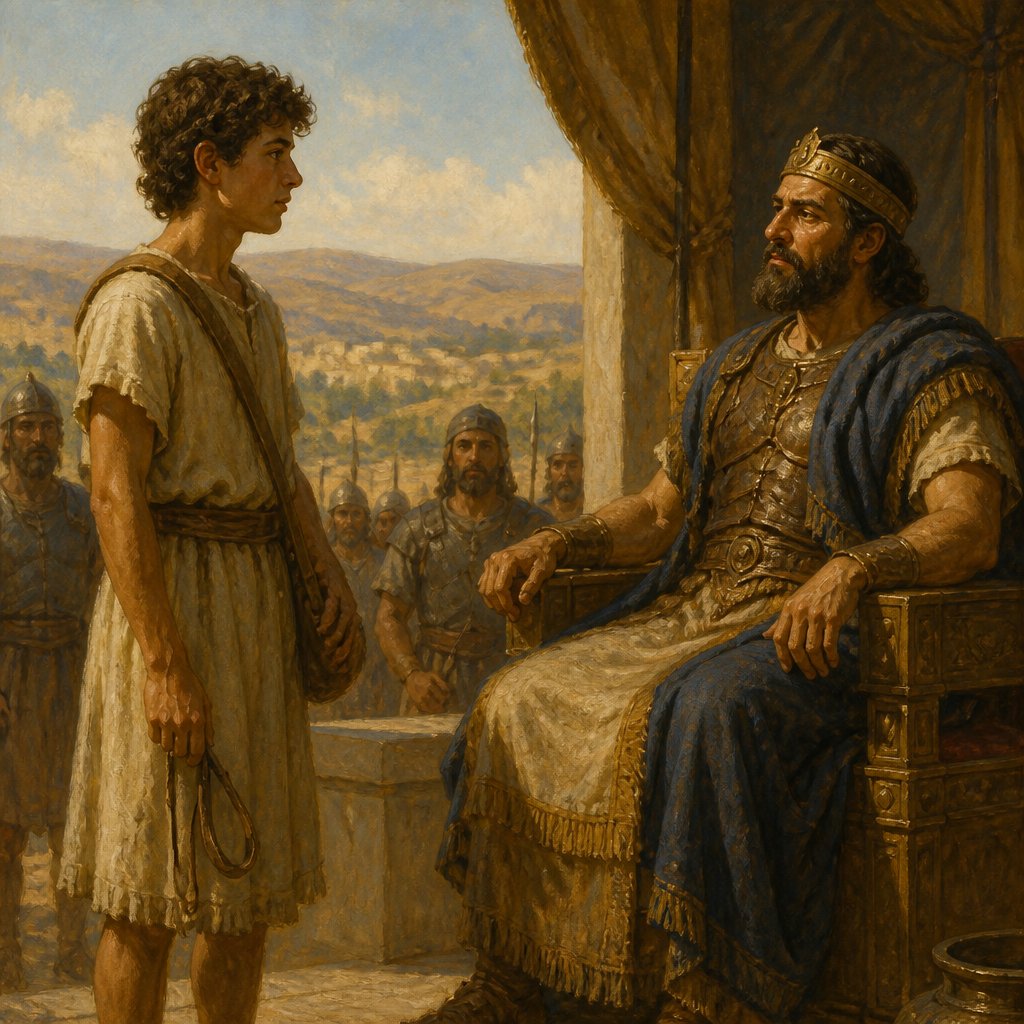
In 1 Samuel 17:58, we encounter a pivotal moment that encapsulates much of the story and character of David: "And Saul said to him, Whose son art thou, thou young man? And David answered, I am the son of thy servant Jesse the Beth-lehemite." This verse, while seemingly a simple exchange of identity, holds deeper implications about who we are in Christ and how our identity shapes our destiny.
To understand the significance of this moment, we must look at the context surrounding it. David has just emerged victorious from his battle with Goliath, the giant that had terrorized the armies of Israel. His triumph is not merely a display of physical strength but a testament to his faith in God. David's confidence in facing Goliath was rooted in his relationship with the Lord, who had delivered him from the paw of the lion and the bear. Therefore, in this moment of glory, as he stands before King Saul, David's simple identification as Jesse's son carries profound weight.
Why did Saul ask David, "Whose son art thou?"? This question embodies both an inquiry into David’s background and a moment of acknowledgment of the surprise victory he had just achieved as a mere youth. Saul’s question could signify a search for assurance. He wanted to know who this young man was, whose faith had manifested so grandly before him. In biblical times, lineage was everything; one's identity was often tied directly to one’s family and heritage. David’s response, identifying himself as the son of Jesse, roots him in his earthly family but also sets the stage for his divine calling.
For us today, David’s response invites us to reflect upon our identity as the children of God. When we come to faith, we are adopted into God’s family, and our identity becomes forever changed. Paul elaborates on this in Galatians 4:4-7 where he writes about how we are no longer slaves but children and heirs of God. Just as David was known as the son of Jesse, we are known as the sons and daughters of the King of Kings.
Moreover, in identifying himself in relation to Jesse, David also demonstrates humility. He does not elevate his status or lord his victory over Saul; rather, he acknowledges his humble origins. In the Kingdom of God, true greatness comes from humility. Jesus reminded us in Matthew 23:12, "And whosoever shall exalt himself shall be abased; and he that shall humble himself shall be exalted." This principle is crucial as we pursue our purpose and calling.
David's encounter with Saul also highlights the importance of recognizing our identity in Christ amid challenges and victories. The contrast of David—from a shepherd boy in the fields to a giant-slayer in the king’s courts—reminds us that our identity is not defined by our current circumstances but by our relationship with God. Leaders may change, situations may shift, yet who we are in Christ remains steadfast and unchanging.
When Saul asked about David’s lineage, it wasn't just curiosity; it was an invitation for David to assume his place in God’s plan. Similarly, every time we stand firm in our identity as God’s beloved, we echo that we belong to a lineage of faith. Our victories and challenges become part of our testimony—each encounter is an opportunity to declare whose we are.
In conclusion, as we meditate on 1 Samuel 17:58, let us find our identity in Christ, rooted in our relationship with Him. Let this identity empower us to stand in faith against the giants of our lives knowing that we are beloved children of God, empowered and embraced by our heavenly Father, just as David was empowered and embraced by Jesse. Embrace your identity, walk in your purpose, and declare with certainty: "I am a child of God!"In every encounter, remember to carry forth your lineage of faith, shining the light of Christ to a world in need of His hope.
Get our apps


Artwork for 1 Samuel 17:58

1 Samuel 17:58 - "And Saul said to him, Whose son art thou, thou young man? And David answered, I am the son of thy servant Jesse the Beth-lehemite."
"And Saul said to him, Whose son art thou, thou young man? And David answered, I am the son of thy servant Jesse the Beth-lehemite." - 1 Samuel 17:58

1 Samuel 10:17 - "¶ And Samuel called the people together unto the LORD to Mizpeh;"

1 Samuel 17:33

1 Samuel 1:15-17

1 Samuel 17:34-35

1 Samuel 17:49

1 Samuel 17:45

1 Samuel 17:49

1 Samuel 17:45
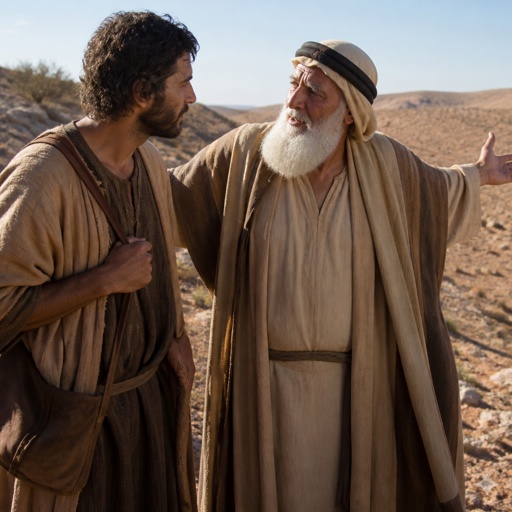
1 Samuel 9:17
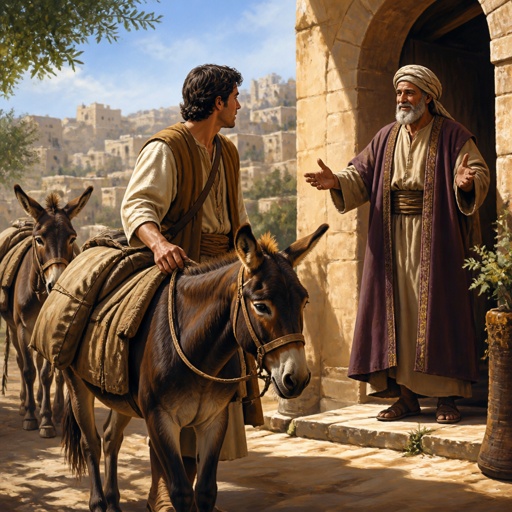
1 Samuel 9:17

1 samuel 17:3

1 Samuel 17:49

1 Samuel 17:45
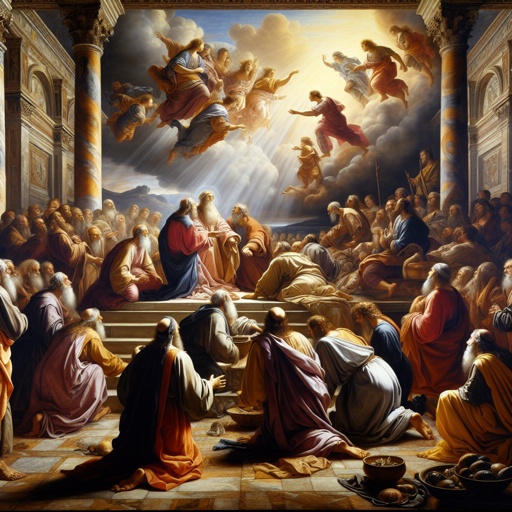
1 Samuel 17:49

isaias 58:8

Isaiah 58: 1-12

1 Samuel 17:4-8

2 Samuel 1. 17-27
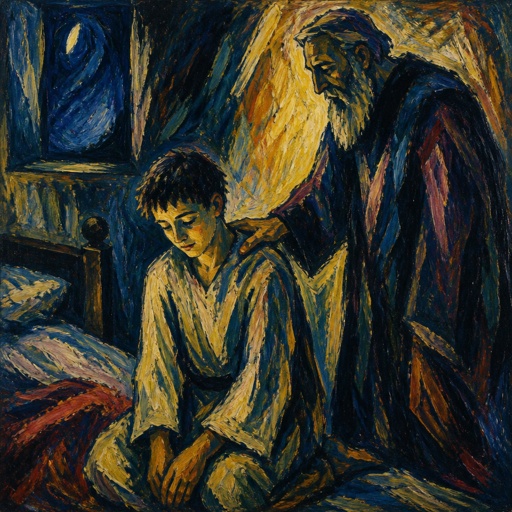
1 Samuel 3:17-18

1 Samuel 17:38-40

1 Samuel 17:14 - "And David was the youngest: and the three eldest followed Saul."

1 Samuel 17:45-49

1 Samuel 17:56 - "And the king said, Enquire thou whose son the stripling is."

1 Samuel 9:17 - "And when Samuel saw Saul, the LORD said unto him, Behold the man whom I spake to thee of! this same shall reign over my people."

2 Samuel 1:17 - "¶ And David lamented with this lamentation over Saul and over Jonathan his son:"

1 Chronicles 6:58 - "And Hilen with her suburbs, Debir with her suburbs,"

1 Samuel 17:29 - "And David said, What have I now done? Is there not a cause?"

1 Samuel 17:19 - "Now Saul, and they, and all the men of Israel, were in the valley of Elah, fighting with the Philistines."