The Price of Praise: Understanding Recognition and Rivalry
"And it came to pass as they came, when David was returned from the slaughter of the Philistine, that the women came out of all cities of Israel, singing and dancing, to meet king Saul, with tabrets, with joy, and with instruments of musick. And the women answered one another as they played, and said, Saul hath slain his thousands, and David his ten thousands." - 1 Samuel 18:6-7
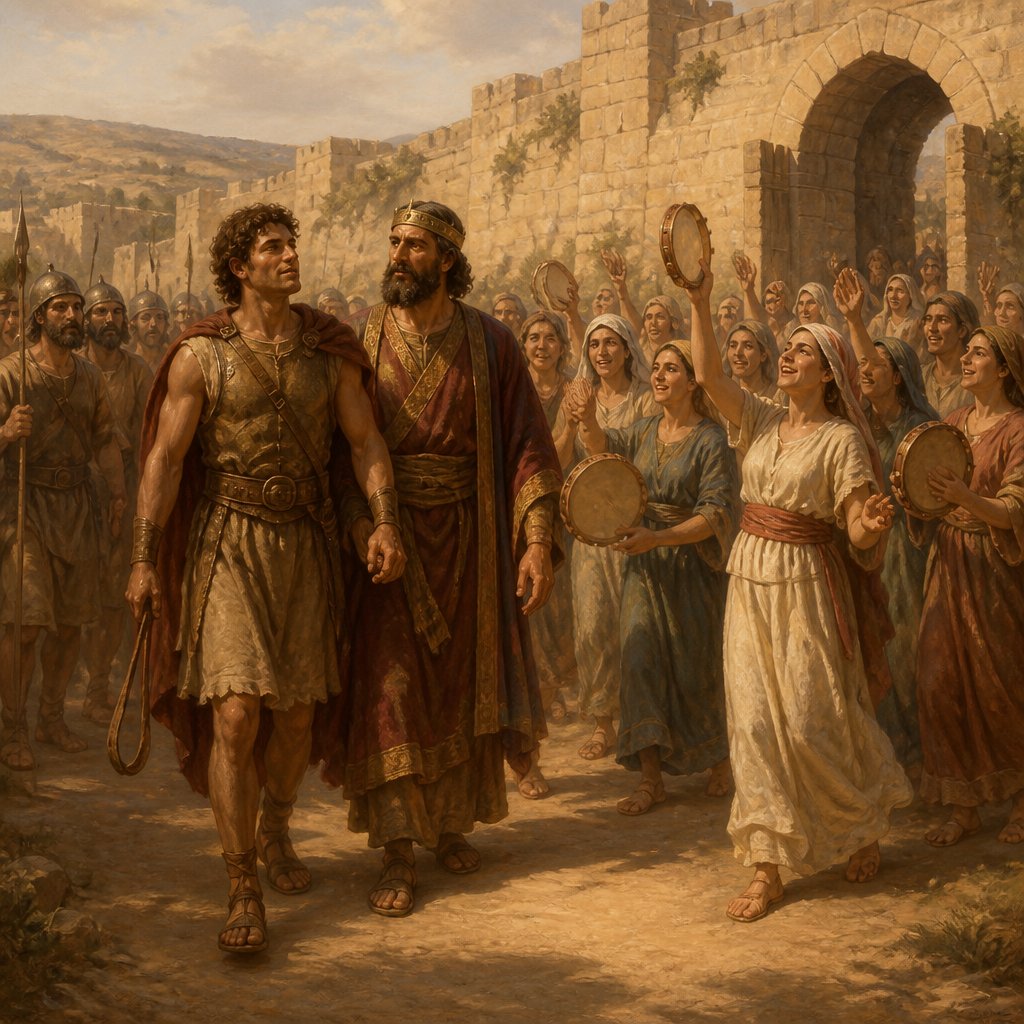
In the heart of the Old Testament narrative lies the incredible story of David, a shepherd boy turned king. 1 Samuel 18:6-7 captures a pivotal moment following David’s remarkable victory over Goliath, the giant Philistine warrior. The verses read:
"6 And it came to pass as they came, when David was returned from the slaughter of the Philistine, that the women came out of all cities of Israel, singing and dancing, to meet king Saul, with tabrets, with joy, and with instruments of music.
7 And the women answered one another as they played, and said, Saul hath slain his thousands, and David his ten thousands."
Here we find an exuberant celebration breaking forth as the women of Israel greet King Saul and his returning army. The joy is infectious, accompanied by music and dance, symbols of victory and communal rejoicing in the face of their adversaries. Yet, in this moment of celebration, layers of meaning exist that invite us to reflect on our own lives, particularly in the light of recognition, comparison, and the human heart.
As we delve into the scene, we can visualize the atmosphere. The sounds of joy ripple through the air, the rhythm of the music dances with the hearts of the people. It is a moment of national pride, and yet—hidden within this unity is an unfolding rivalry. The song sung by the women—"Saul hath slain his thousands, and David his ten thousands"—begins a chain of events that will have profound implications for both Saul and David.
On one hand, Saul’s achievements are acknowledged; however, the magnitude of David’s exploits overshadows King Saul's victories. This comparison turns what should be a moment of collective triumph into a seed of jealousy for Saul. The applause and admiration that David garners stirs emotions that can lead to unhealthy comparison and envy. As we navigate our own lives, it is essential to recognize how quickly we can fall into the trap of comparison, whether in ministry, work, or personal relationships. The accolades that we receive or see others receive can invoke feelings of inadequacy or resentment. We must constantly remind ourselves to rejoice in others' successes rather than be threatened by them.
Saul’s reaction to this new reality is a classic dichotomy of leadership. Instead of drawing strength from David’s triumphs as a valiant warrior, his heart grows heavy with resentment. Rather than embracing David as an ally and championing his success, Saul becomes consumed by the fear of losing his crown and his reputation. The narrative becomes a poignant reminder of the dangers of pride and insecurity in leadership roles. It challenges us to consider how we handle the success of others—do we foster unity and encourage those we lead, or do we allow jealousy to divide us?
Moreover, let us not forget the women who are singing in celebration. Their voices echo the emotions of their time, revealing how public perception is influenced by the narrative crafted from praise. They were unwittingly participants in setting the stage for David’s rise and Saul’s downfall. In today’s world, we, too, have a voice that can influence others either positively or negatively. Therefore, it falls on us to be responsible stewards of the words we choose to empower and uplift rather than sow discord.
Ultimately, the story calls us to examine our own hearts. Are we embracing joy in the accomplishments of others, or do we allow envy to invade our hearts? We must remember that our worth is not solely defined by the recognition we receive, nor can we measure our success against those of our peers. Just as David’s heart remained humble despite the honors awarded to him, we are called to follow Christ’s example who, though deserving of all glory, chose to serve rather than be served (Mark 10:45).
In a world where comparison is rampant and praise can quickly turn to rivalry, may we aspire to be voices of encouragement and love, celebrating God’s work in the lives of others, as we walk humbly beside them. Let us acknowledge that, while the songs may shift and the focus may change, our ultimate devotion should be pointed toward glorifying God, who alone is worthy of all our praise.
Want to reflect more on 1 Samuel 18:6-7?
Continue your spiritual journey with Bible Chat — an AI-powered tool for exploring God's Word through conversation. Ask questions, discover connections, and deepen your understanding.
Get Our Apps


1 Samuel 18:6-7 Artwork

1 Samuel 18:6-7 - "As they were coming home, when David returned from striking down the Philistine, the women came out of all the cities of Israel, singing and dancing, to meet King Saul, with tambourines, with songs of joy, and with musical instruments. And the women sang to one another as they celebrated, "Saul has struck down his thousands, and David his ten thousands.""
"As they were coming home, when David returned from striking down the Philistine, the women came out of all the cities of Israel, singing and dancing, to meet King Saul, with tambourines, with songs of joy, and with musical instruments. And the women sang to one another as they celebrated, "Saul has struck down his thousands, and David his ten thousands."" - 1 Samuel 18:6-7

1 Samuel 18:7 - "And the women answered one another as they played, and said, Saul hath slain his thousands, and David his ten thousands."

1 Samuel 7:6 - "And they gathered together to Mizpeh, and drew water, and poured it out before the LORD, and fasted on that day, and said there, We have sinned against the LORD. And Samuel judged the children of Israel in Mizpeh."

1 Samuel 18:6 - "And it came to pass as they came, when David was returned from the slaughter of the Philistine, that the women came out of all cities of Israel, singing and dancing, to meet king Saul, with tabrets, with joy, and with instruments of musick."

1 Samuel 6:7 - "Now therefore make a new cart, and take two milch kine, on which there hath come no yoke, and tie the kine to the cart, and bring their calves home from them:"

2 Samuel 18:6 - "¶ So the people went out into the field against Israel: and the battle was in the wood of Ephraim;"
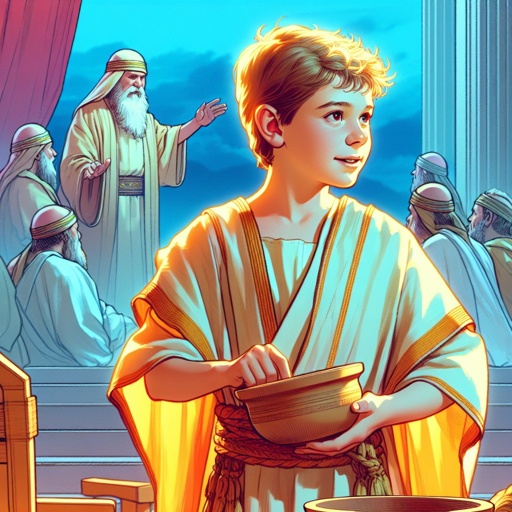
1 Samuel 2:18 - "¶ But Samuel ministered before the LORD, being a child, girded with a linen ephod."
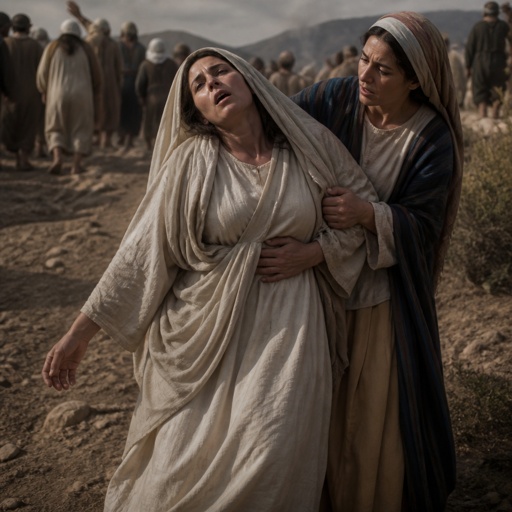
1 Samuel 4:18
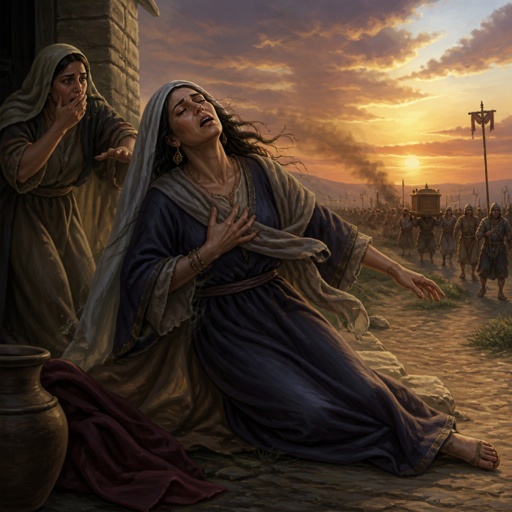
1 Samuel 4:18
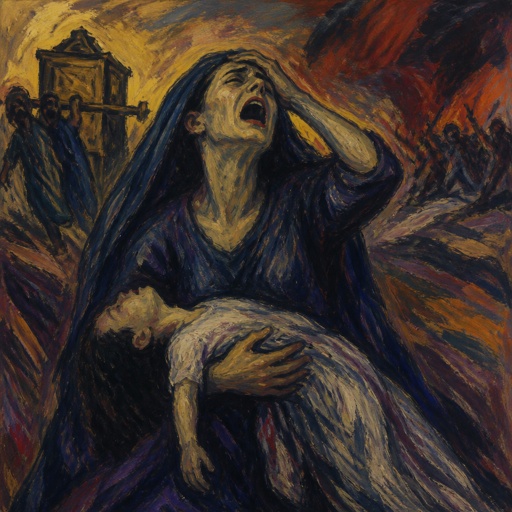
1 Samuel 4:18

1 Samuel 30:18

1 Samuel 12:18 - "So Samuel called unto the LORD; and the LORD sent thunder and rain that day: and all the people greatly feared the LORD and Samuel."

1 Samuel 14:6

1 Samuel 7:15 - "And Samuel judged Israel all the days of his life."

Matthew 21:21 Philippians 4:6-7 Ephesians 6:10-18 Put the words on the photo

1 Samuel 19:18 - "¶ So David fled, and escaped, and came to Samuel to Ramah, and told him all that Saul had done to him. And he and Samuel went and dwelt in Naioth."

1 Samuel 9:18 - "Then Saul drew near to Samuel in the gate, and said, Tell me, I pray thee, where the seer's house is."

1 Samuel 18:9 - "And Saul eyed David from that day and forward."

2 Samuel 18:7 - "Where the people of Israel were slain before the servants of David, and there was there a great slaughter that day of twenty thousand men."

1 Samuel 8:6 - "¶ But the thing displeased Samuel, when they said, Give us a king to judge us. And Samuel prayed unto the LORD."

Matthew 21:21 Philippians 4:6-7 Ephesians 6:10-18

1 Samuel 6:1 - "And the ark of the LORD was in the country of the Philistines seven months."

2 Samuel 6:14

2 Samuel 7:1–29

1 Samuel 14:7

1 Samuel 28:7

1 Samuel 8:7

1 Samuel 18:24 - "And the servants of Saul told him, saying, On this manner spake David."

1 Samuel 6:18 (KJVA) 18 And the golden mice, according to the number of all the cities of the Philistines belonging to the five lords, both of fenced cities, and of country villages, even unto the great stone of Abel, whereon they set down the ark of the LORD: which stone remaineth unto this day in the field of Joshua, the Bethshemite.