The Echoes of Praise: Understanding the Heart of David
“And the women answered one another as they played, and said, Saul hath slain his thousands, and David his ten thousands.” — 1 Samuel 18:7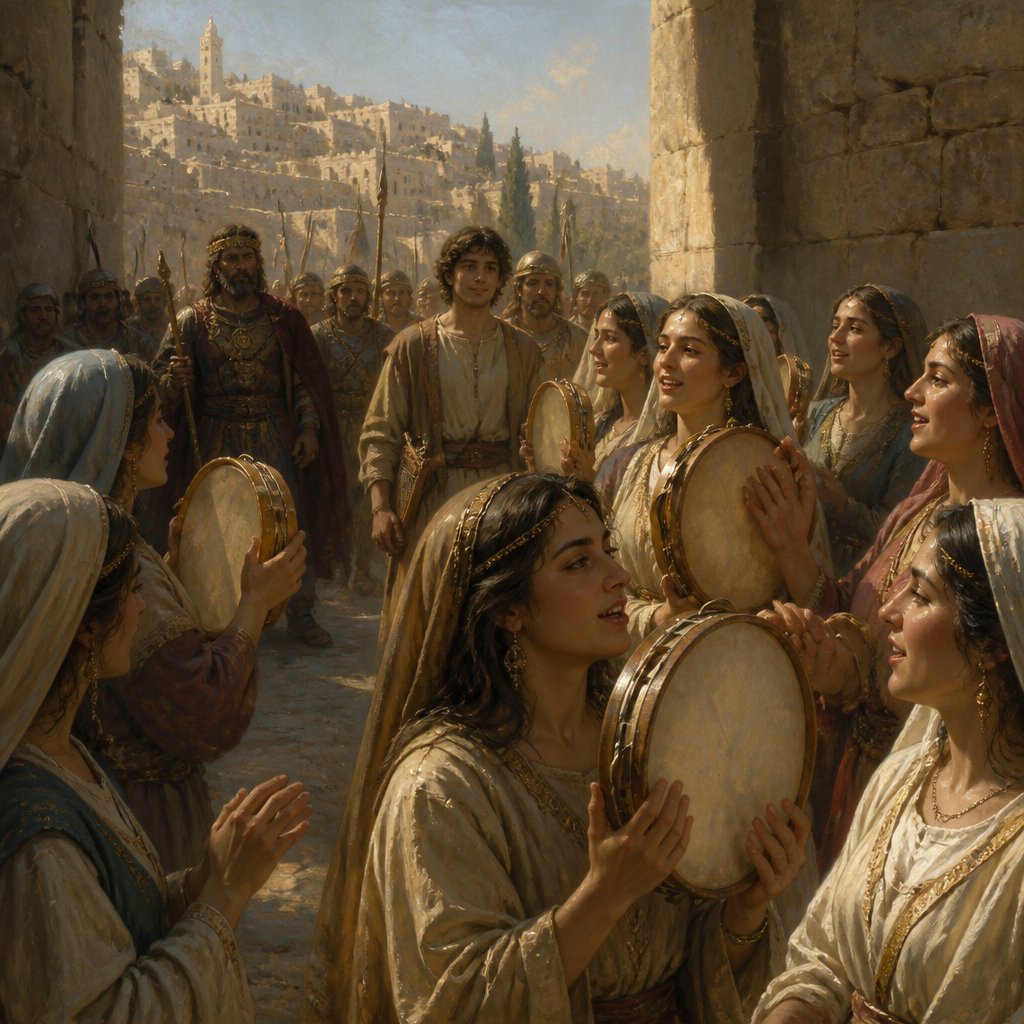
1 Samuel 18:7 reads, "And the women answered one another as they played, and said, Saul hath slain his thousands, and David his ten thousands." This verse, amidst the narrative of the rise of David, serves as a profound commentary on human nature, leadership, and the dynamics of praise and jealousy.
To fully appreciate the weight of this verse, we must first situate it within its broader biblical context. David has just returned from battlefield victories against the Philistines, and the Israelites are enthused, celebrating his accomplishments. The women of Israel, in their excitement, exaggeratingly declare that while Saul, the reigning king, has slain thousands, young David has surpassed him, taking ten thousand. This proclamation is pregnant with implications, sowing seeds of rivalry that will define the relationship between Saul and David for years to come.
At first glance, the verse may seem like a simple celebration of military success and the adoration of David. However, beneath this celebration lies a rich tapestry of responses: the joy of the crowds, the honor of military feats, and the jealousy of a king. The phrase "David his ten thousands" is a metaphorical anthem of the people, reflecting not just David’s military prowess but also his rising reputation and their deep affection for him. It highlights a pivotal moment in David's life when public admiration began to overshadow the importance of royal favor.
This moment reveals a critical truth about human nature – the complexity of how we react to success and the feelings it invokes within us. Saul's response to the song encapsulates a vital aspect of leadership: the vulnerability that comes with being in a position of authority. As leaders, whether in families, workplaces, or communities, how we respond to the successes of those around us can shape our relationships and the culture of our environments. Saul's envy stems from a fragile ego, yet it serves as a cautionary tale for us. In our own lives, we could fall prey to similar sentiments of jealousy or insecurity when we perceive others to be performing better than we are.
Yet amid the chaos of rivalry and jealousy, David represents a figure of humility and integrity. Despite being the object of popular praise, David does not seek to elevate himself by dismissing Saul or the honor due to him as the king. Instead, he continues to serve faithfully, demonstrating that true leadership is grounded in humility rather than striving for accolades. David’s heart was shaped by an understanding that honor belongs to God, and it is He who exalts one man while humbling another. David’s character traits may have deserved admiration, but his actions, particularly after this moment, reflect his trust in God’s timing rather than society’s validation.
Furthermore, this verse compels us to contemplate the significance of praise in our lives. Can we celebrate the victories of others? Do we uplift those around us? In a world where competition seems to be the norm, let us strive to operate from a place of abundance rather than scarcity. By recognizing the achievements of others without falling into despair or envy, we mirror the heart of Christ, who rejoices in our triumphs as a family
Additionally, we are reminded of the necessity for gratitude. When our focus is on what we possess and our achievements, we may lose sight of who granted us our abilities and opportunities. Each success, be it large or small, should lead us back to God in thanksgiving. We must actively choose to edify and support one another in our communities, creating an environment steeped in mutual encouragement rather than competition.
As we reflect on 1 Samuel 18:7, let it inspire us to seek the heart of David—a heart that celebrates the victories of others, embraces humility, and continuously seeks God. Let our lives echo praise, not as a cry of comparison, but as a symphony of gratitude and recognition for the unique paths each person walks in their service to God.
Get our apps


Artwork for 1 Samuel 18:7

1 Samuel 18:7 - "And the women answered one another as they played, and said, Saul hath slain his thousands, and David his ten thousands."
"And the women answered one another as they played, and said, Saul hath slain his thousands, and David his ten thousands." - 1 Samuel 18:7
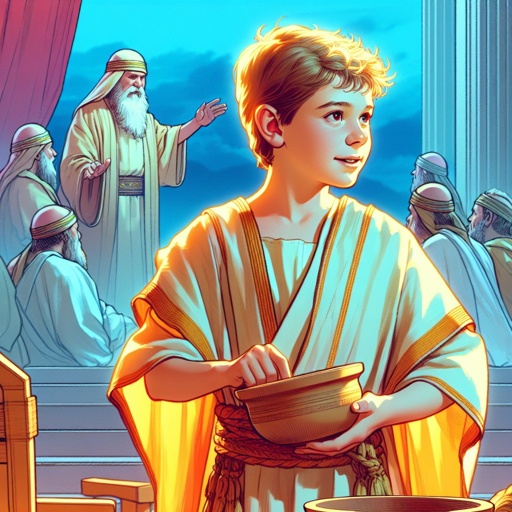
1 Samuel 2:18 - "¶ But Samuel ministered before the LORD, being a child, girded with a linen ephod."
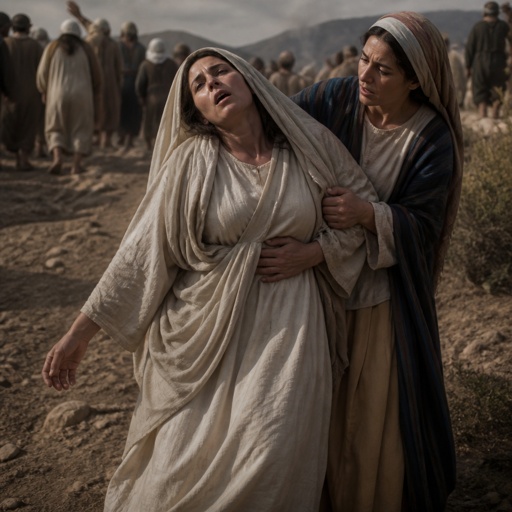
1 Samuel 4:18
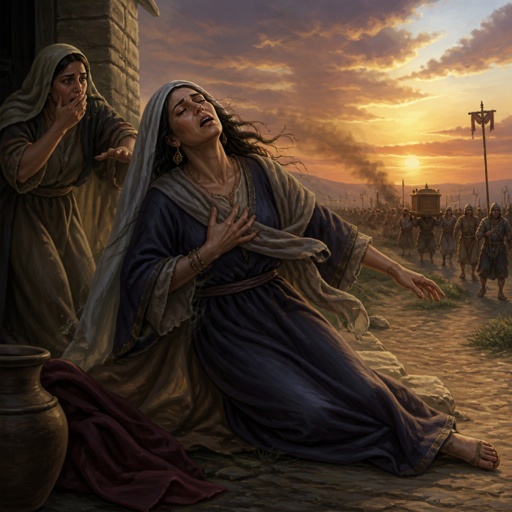
1 Samuel 4:18
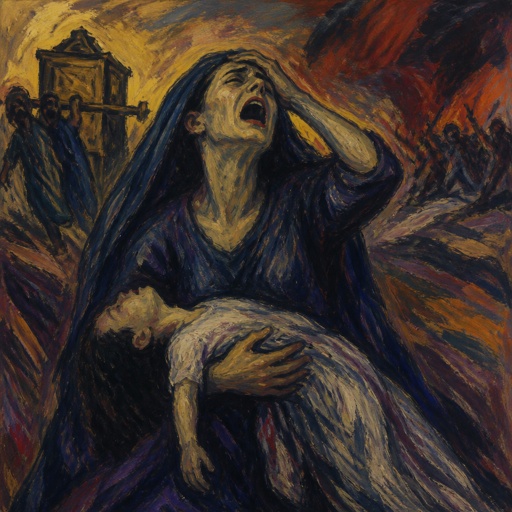
1 Samuel 4:18

1 Samuel 30:18

1 Samuel 12:18 - "So Samuel called unto the LORD; and the LORD sent thunder and rain that day: and all the people greatly feared the LORD and Samuel."

1 Samuel 7:15 - "And Samuel judged Israel all the days of his life."
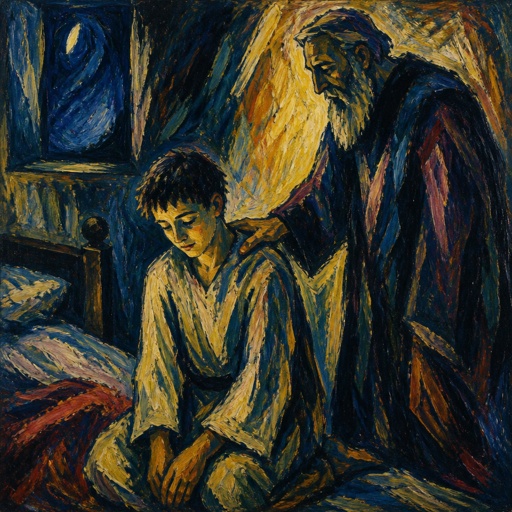
1 Samuel 3:17-18

1 Samuel 9:18 - "Then Saul drew near to Samuel in the gate, and said, Tell me, I pray thee, where the seer's house is."

1 Samuel 19:18 - "¶ So David fled, and escaped, and came to Samuel to Ramah, and told him all that Saul had done to him. And he and Samuel went and dwelt in Naioth."

1 Samuel 18:9 - "And Saul eyed David from that day and forward."

2 Samuel 18:7 - "Where the people of Israel were slain before the servants of David, and there was there a great slaughter that day of twenty thousand men."

2 Samuel 7:1–29

1 Samuel 14:7

1 Samuel 28:7

1 Samuel 18:24 - "And the servants of Saul told him, saying, On this manner spake David."

1 Samuel 8:7

1 Samuel 18:12 - "¶ And Saul was afraid of David, because the LORD was with him, and was departed from Saul."

1 Samuel 7:5 - "And Samuel said, Gather all Israel to Mizpeh, and I will pray for you unto the LORD."

2 samuel 9:7 fhdhdhdhhd

1 Samuel 18:29 - "And Saul was yet the more afraid of David; and Saul became David's enemy continually."

1 Samuel 18:28 - "¶ And Saul saw and knew that the LORD was with David, and that Michal Saul's daughter loved him."

1 Samuel 7:9 - "¶ And Samuel took a sucking lamb, and offered it for a burnt offering wholly unto the LORD: and Samuel cried unto the LORD for Israel; and the LORD heard him."
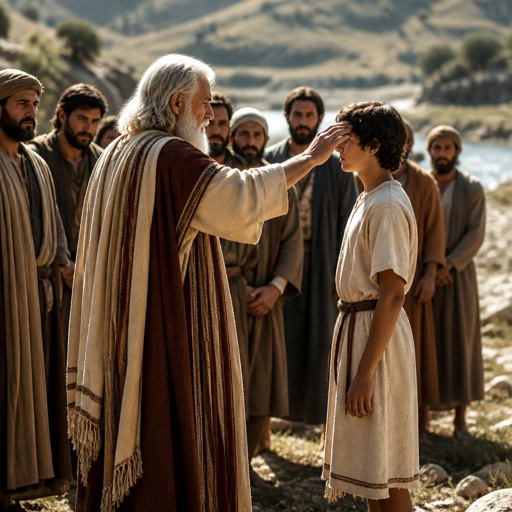
1 Samuel 16:6-7
1 Samuel 8:7-9

1 Samuel 3:7 - "Now Samuel did not yet know the LORD, neither was the word of the LORD yet revealed unto him."

1 Samuel 18:20 - "And Michal Saul's daughter loved David: and they told Saul, and the thing pleased him."

1 Samuel 18:18 - "And David said unto Saul, Who am I? and what is my life, or my father's family in Israel, that I should be son in law to the king?"