The Wealth of Nabal: Lessons in Stewardship and Humility
“And there was a man in Maon, whose possessions were in Carmel; and the man was very great, and he had three thousand sheep, and a thousand goats: and he was shearing his sheep in Carmel.” — 1 Samuel 25:2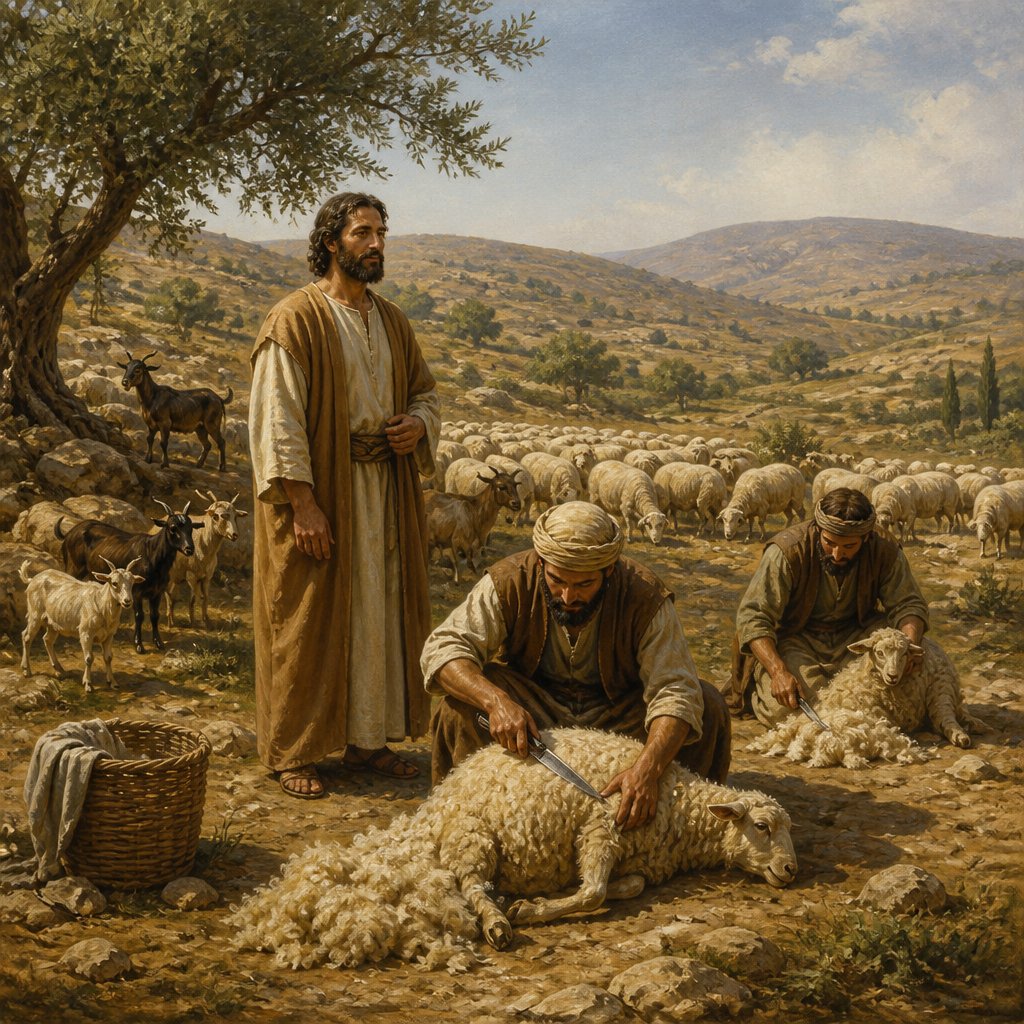
The story of Nabal in 1 Samuel 25:2, which states, "And there was a man in Maon, whose possessions were in Carmel; and the man was very great, and he had three thousand sheep, and a thousand goats: and he was shearing his sheep in Carmel," serves as a powerful reminder about the nature of worldly wealth and the responsibilities that accompany it.
Nabal, whose name means "folly," is depicted as a wealthy man with substantial possessions—three thousand sheep and a thousand goats. His riches were significant, indicating not only financial prosperity but also a level of social status that afforded him respect within his community. However, wealth can often cloud judgment and foster pride, as we see in the subsequent events of this chapter. Nabal’s wealth may have set him apart in terms of social standing, yet it did not grant him wisdom or understanding.
As we unpack this verse, we are reminded that material wealth is not inherently negative; in fact, it is a blessing from God. However, it is our perspective towards that wealth that often defines our character and ultimately reflects our faith. Nabal had the potential to use his abundance to serve others and honor God, yet he chose to do the opposite. We are challenged to reflect on how we perceive our own resources. Are we generous with what we have, or do we hoard it for ourselves? Are our actions driven by a desire to uplift those around us, or are we more focused on our appearances and prestige?
Nabal was busy shearing his sheep at Carmel. This detail gives us insight into the rhythm of life among the pastoralists of the time. Sheep shearing was a time of significant profit, bringing great gains for the shepherd. But instead of embodying the spirit of generosity that should accompany such bounty, Nabal’s actions reveal a stark contrast. He is characterized by his refusal to share even a fraction of his wealth with David and his men, despite the fact that they had protected his flocks in the wilderness. This illustrates a key principle: the test of our character comes most acutely when we are asked to extend kindness to others, particularly when it may cost us something.
Many of us can relate to moments when we have experienced the hesitation to share or to help, particularly when we feel our resources are limited. However, the call to stewardship is clear in Scripture. Proverbs 11:25 tells us, "The liberal soul shall be made fat: and he that watereth shall be watered also himself." This principle underscores the truth that in giving, we are enriched. God calls us to act as stewards, not owners, of our possessions, recognizing that they ultimately belong to Him.
Nabal’s downfall is tied to his lack of humility. Rather than acknowledging his reliance on God and the community that supports him, he becomes arrogant. This arrogance blinds him to the threats and needs in his environment. In contrast, David exemplifies the heart of a true leader. When he hears of Nabal’s refusal, he does not respond with anger but later with wisdom through the intercession of Abigail, Nabal's wife, who recognizes both her husband’s folly and the grace of God that can lead to reconciliation and forgiveness.
As you ponder Nabal’s story, reflect on your own life. Are there areas where you have become prideful or unwilling to share your resources? How can you embody the spirit of generosity and gratitude toward the blessings you have received? Ask God to open your eyes to opportunities for stewardship and to cultivate a humble heart that recognizes the source of all good things.
May we never be known as fools like Nabal but instead be celebrated for our wisdom in stewardship and humility. Let our lives reflect the bounty of God toward others, fostering a community shaped by love and concern over pride and selfishness.
Get our apps


Artwork for 1 Samuel 25:2

1 Samuel 25:2 - "And there was a man in Maon, whose possessions were in Carmel; and the man was very great, and he had three thousand sheep, and a thousand goats: and he was shearing his sheep in Carmel."
"And there was a man in Maon, whose possessions were in Carmel; and the man was very great, and he had three thousand sheep, and a thousand goats: and he was shearing his sheep in Carmel." - 1 Samuel 25:2

2 Samuel 1:25 - "How are the mighty fallen in the midst of the battle! O Jonathan, thou wast slain in thine high places."

1 Samuel 1:25 - "And they slew a bullock, and brought the child to Eli."

2 Samuel 23:25 - "Shammah the Harodite, Elika the Harodite,"

2 Samuel 20:25 - "And Sheva was scribe: and Zadok and Abiathar were the priests:"

1 Samuel 9:25 - "¶ And when they were come down from the high place into the city, Samuel communed with Saul upon the top of the house."

1 Samuel 25:1 - "And Samuel died; and all the Israelites were gathered together, and lamented him, and buried him in his house at Ramah. And David arose, and went down to the wilderness of Paran."

2 Samuel 2:25 - "¶ And the children of Benjamin gathered themselves together after Abner, and became one troop, and stood on the top of an hill."

1 Samuel 10:25 - "Then Samuel told the people the manner of the kingdom, and wrote it in a book, and laid it up before the LORD. And Samuel sent all the people away, every man to his house."

1 Samuel 14:25 - "And all they of the land came to a wood; and there was honey upon the ground."

1 Samuel 25:4 - "¶ And David heard in the wilderness that Nabal did shear his sheep."

"And they slew a bullock, and brought the child to Eli." - 1 Samuel 1:25

"Shammah the Harodite, Elika the Harodite," - 2 Samuel 23:25
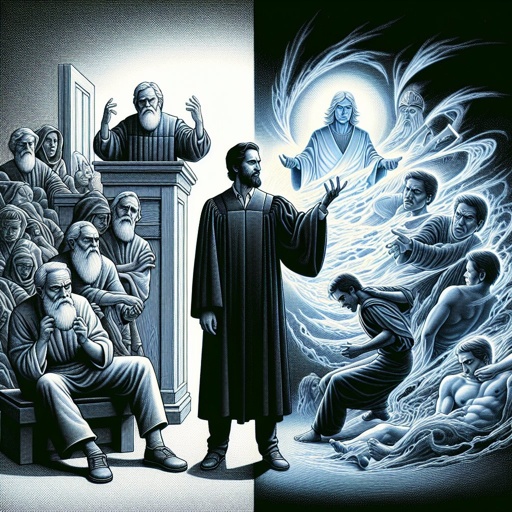
1 Samuel 2:25 - "If one man sin against another, the judge shall judge him: but if a man sin against the LORD, who shall intreat for him? Notwithstanding they hearkened not unto the voice of their father, because the LORD would slay them."

2 Samuel 12:25 - "And he sent by the hand of Nathan the prophet; and he called his name Jedidiah, because of the LORD."

Nabal becomes like stone in 1 Samuel 25:37

Nabal becomes like stone in 1 Samuel 25:37

1 Samuel 25:43 - "David also took Ahinoam of Jezreel; and they were also both of them his wives."

1 Samuel 25:38 - "And it came to pass about ten days after, that the LORD smote Nabal, that he died."

1 Samuel 30:25 - "And it was so from that day forward, that he made it a statute and an ordinance for Israel unto this day."

1 Samuel 25:44 - "¶ But Saul had given Michal his daughter, David's wife, to Phalti the son of Laish, which was of Gallim."

2 Samuel 22:25 - "Therefore the LORD hath recompensed me according to my righteousness; according to my cleanness in his eye sight."

1 Samuel 12:25 - "But if ye shall still do wickedly, ye shall be consumed, both ye and your king."
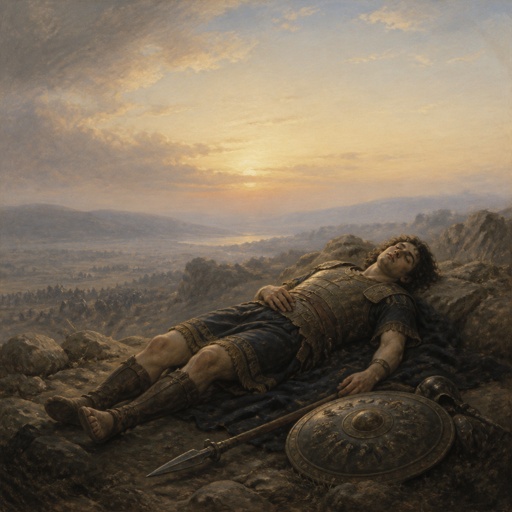
"How are the mighty fallen in the midst of the battle! O Jonathan, thou wast slain in thine high places." - 2 Samuel 1:25

1 Samuel 28:25 - "And she brought it before Saul, and before his servants; and they did eat. Then they rose up, and went away that night."

1 Samuel 25:32 - "¶ And David said to Abigail, Blessed be the LORD God of Israel, which sent thee this day to meet me:"

2 Samuel 5:25 - "And David did so, as the LORD had commanded him; and smote the Philistines from Geba until thou come to Gazer."

"And Sheva was scribe: and Zadok and Abiathar were the priests:" - 2 Samuel 20:25

1 Samuel 25:16 - "They were a wall unto us both by night and day, all the while we were with them keeping the sheep."