The Weight of Legacy: Lessons from Hophni and Phinehas
“And this shall be a sign unto thee, that shall come upon thy two sons, on Hophni and Phinehas; in one day they shall die both of them.” — 1 Samuel 2:34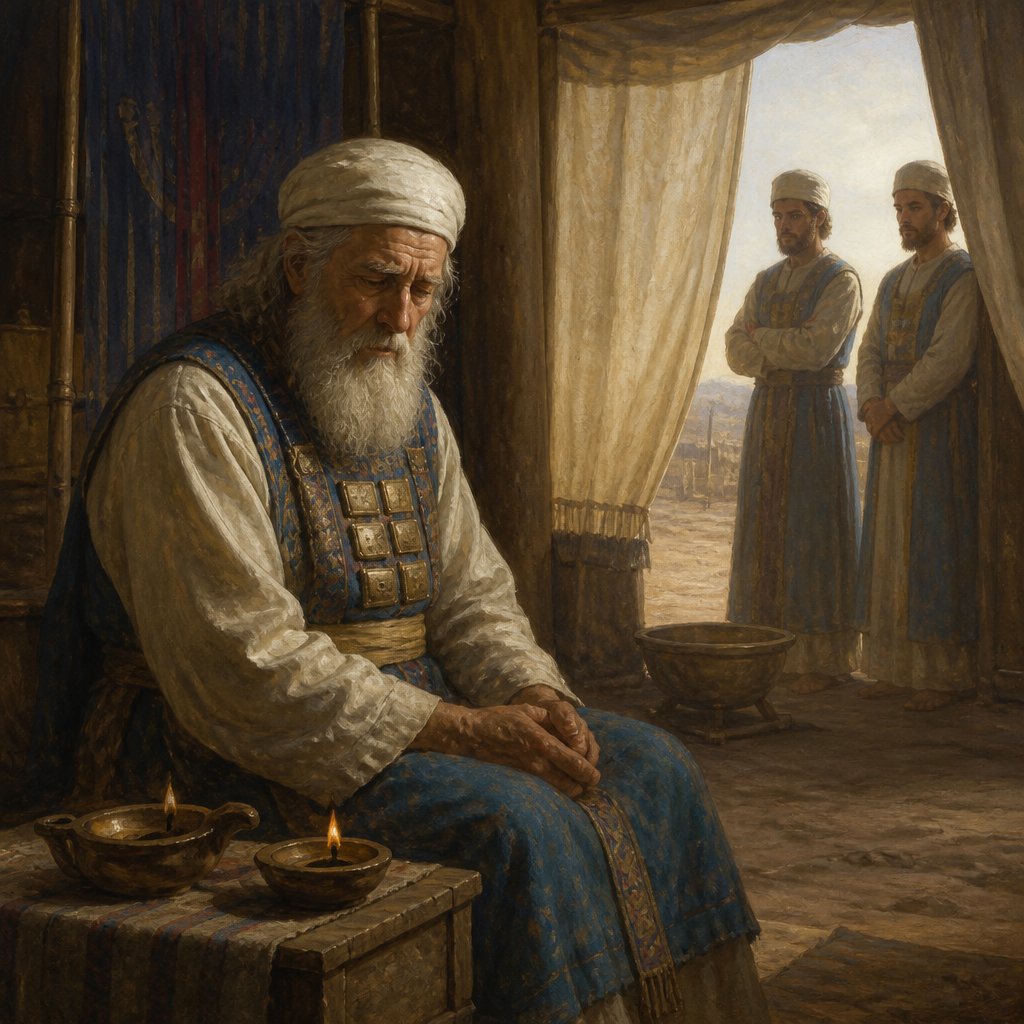
The weight of legacy often bears heavily on the shoulders of those involved in ministry and leadership. As we explore the narrative of 1 Samuel 2:34, which states, "And this shall be a sign unto thee, that shall come upon thy two sons, on Hophni and Phinehas; in one day they shall die both of them," we are confronted with the grave consequences of personal choices and the lasting impact those choices have not only on ourselves but on those we lead.
The context of this passage presents a sobering reality. Hophni and Phinehas, the sons of Eli the priest, were in positions of great responsibility within God’s house but chose to lead lives marked by selfishness and wickedness. Their actions led to corruption in the tabernacle, taking more than was allowed from the sacrifices dedicated to God, and were infamous for their utter disregard of the holiness associated with their calling.
As believers, it is essential to reflect on our actions within our ministries and families. What legacy are we crafting? Are we fostering a culture of reverence and obedience to God, or are we sowing seeds of disruption that can lead to dire consequences? Hophni and Phinehas’ fate serves as a divine warning—one that God provided through His prophet, confirming that every action has its repercussions.
Their death, foretold in this verse, is not just a physical end; it signifies the complete eradication of their influence and the judgment of their actions. The Hebrew Bible often emphasizes a God who cares deeply about the purity and integrity of worship. In the case of Eli's sons, God takes their abhorrent deeds seriously, indicating a direct connection between our character and our role in the community.
This sobering verdict not only serves as a warning to Eli but also reflects the heartbeat of God who desires holiness among His people. Eli, although a priest, found himself in a heartbreaking position. Despite knowing what his sons were doing was wrong, he failed to correct them effectively. This raises questions about accountability within families and communities:
1. **What am I tolerating in my life or in those whom I lead?**
We must ask ourselves whether we confront sin and misconduct among those we love—whether in our homes or workplaces.
2. **Are we complicit in wrongdoing through silence?**
Eli’s passive response paved the path for greater sin. As leaders or parental figures, there are times we must take a stand and act decisively when we see injustice or unholy conduct, rather than simply hoping it will resolve itself.
3. **How does my leadership reflect the character of God?**
The high calling of leadership in God’s kingdom requires a life that reflects His holiness. As His representatives, anything less can lead to dire consequences for ourselves and those who follow us.
As we delve deeper into this passage, we need to recognize that God is not only concerned about the leaders but also the purity of worship among His people. The failure of Hophni and Phinehas as leaders created a ripple effect that impacted the entire nation of Israel. As a result, their actions led to losses, defeats in battle, and a lack of reverence for God among the people.
This verse challenges us to consider the significance of being faithful stewards of the influence God has given us. It is a reminder that our choices matter immensely—not just for our lives but for those who look to us for guidance.
Ultimately, the fate of Hophni and Phinehas invites us to examine our lives and roles seriously. Are we living in obedience and striving to bring honor to God through our actions? The urgency of this message is clear: God desires a legacy of faithfulness and integrity. His call to us is not just for personal righteousness but an invitation to steward faithfully the lives and souls entrusted to our care. Let's embrace this lesson and leave behind a legacy that reflects the glory of God.
Get our apps


Artwork for 1 Samuel 2:34

1 Samuel 2:34 - "And this shall be a sign unto thee, that shall come upon thy two sons, on Hophni and Phinehas; in one day they shall die both of them."
"And this shall be a sign unto thee, that shall come upon thy two sons, on Hophni and Phinehas; in one day they shall die both of them." - 1 Samuel 2:34

1 Samuel 15:34 - "¶ Then Samuel went to Ramah; and Saul went up to his house to Gibeah of Saul."

1 Samuel 17:34-35

2 Samuel 23:34 - "Eliphelet the son of Ahasbai, the son of the Maachathite, Eliam the son of Ahithophel the Gilonite,"

2 Samuel 22:34 - "He maketh my feet like hinds' feet: and setteth me upon my high places."

1 Samuel 2:12

"¶ Then Samuel went to Ramah; and Saul went up to his house to Gibeah of Saul." - 1 Samuel 15:34

2 Samuel 19:34 - "And Barzillai said unto the king, How long have I to live, that I should go up with the king unto Jerusalem?"

1 Samuel 17:34 - "And David said unto Saul, Thy servant kept his father's sheep, and there came a lion, and a bear, and took a lamb out of the flock:"

2 Samuel 13:34 - "But Absalom fled. And the young man that kept the watch lifted up his eyes, and looked, and, behold, there came much people by the way of the hill side behind him."

"Eliphelet the son of Ahasbai, the son of the Maachathite, Eliam the son of Ahithophel the Gilonite," - 2 Samuel 23:34

2 Samuel 3:34 - "Thy hands were not bound, nor thy feet put into fetters: as a man falleth before wicked men, so fellest thou. And all the people wept again over him."

1 Samuel 2:26 - "And the child Samuel grew on, and was in favour both with the LORD, and also with men."
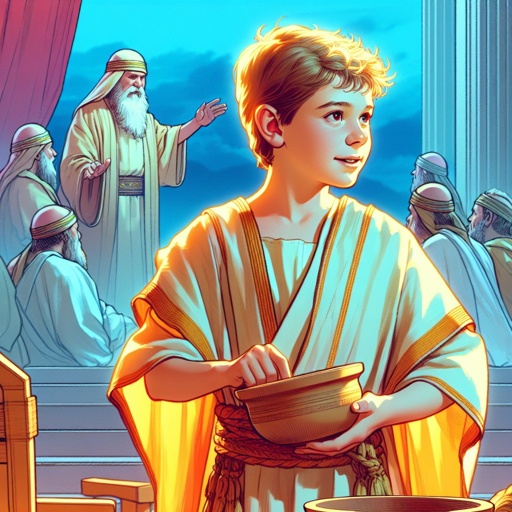
1 Samuel 2:18 - "¶ But Samuel ministered before the LORD, being a child, girded with a linen ephod."

1 Samuel 5: 3-4

1 Samuel 9:1-2

1 Samuel 20:34 - "So Jonathan arose from the table in fierce anger, and did eat no meat the second day of the month: for he was grieved for David, because his father had done him shame."

2 Samuel 7:1–29

2 Samuel 24:22

2 Samuel 6:14

2 Samuel 24:22

2 Samuel 24:22
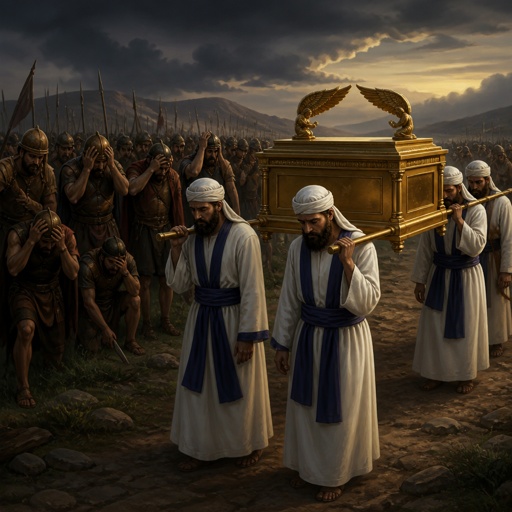
1 Samuel 4:2

1 Chronicles 2:34 - "¶ Now Sheshan had no sons, but daughters. And Sheshan had a servant, an Egyptian, whose name was Jarha."

2 samuel 9:7 fhdhdhdhhd

1 Samuel 2:7 - "The LORD maketh poor, and maketh rich: he bringeth low, and lifteth up."

1 Samuel 2:6 - "The LORD killeth, and maketh alive: he bringeth down to the grave, and bringeth up."

2 Chronicles 34:1 - "Josiah was eight years old when he began to reign, and he reigned in Jerusalem one and thirty years."

1 Samuel 2:12 - "¶ Now the sons of Eli were sons of Belial; they knew not the LORD."